
MPR Deputy Chairman Urges Realisation of the One Quality Hour with Family Programme
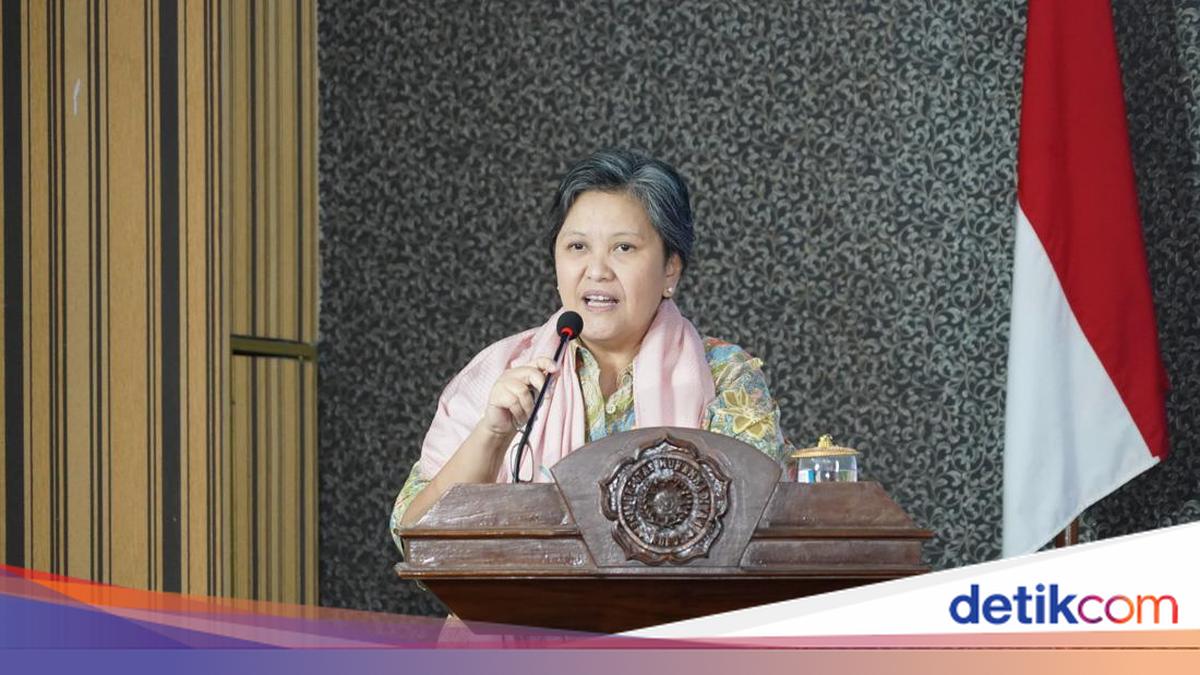
Deputy Chairman of the MPR RI, Lestari Moerdijat, stated that the implementation of the One Quality Hour with Family Programme requires strong support and collaboration between the central and local governments, as well as society. This is because the programme can enhance parents’ abilities in applying good child-rearing patterns. The One Quality Hour with Family Programme was launched by the Ministry of Basic and Secondary Education RI (Kemendikdasmen RI) on 10 March 2026. This programme is part of the government’s efforts to instil good character values in the next generation through simple activities such as storytelling, dialogue, and playing together. “Efforts to improve parents’ abilities in applying appropriate child-rearing patterns for their children are very important to realise the One Quality Hour with Family Programme initiated by the government,” said Deputy Chairman of the MPR RI Lestari Moerdijat in her statement on Thursday (26/3/2026). According to Lestari, consistency in implementing the programme is crucial to achieve the expected positive impacts. However, the challenges in realising the programme are not easy. “Data from the Indonesian Child Protection Commission (KPAI) records 2,031 cases of child rights violations throughout 2025, with biological fathers and mothers being the most common perpetrators of child rights violations,” she said. Meanwhile, the Ministry of Coordinating Human Development and Culture (Kemenko PMK) reported that 42.25% of early childhood children have accessed mobile phones and the internet, but the parental supervision rate is only around 28.58%. “These notes indicate indications of weak child-rearing patterns in the family environment,” she said. She opined that the One Quality Hour with Family Programme must be carried out with discipline and not half-heartedly. According to her, strict supervision and evaluation of the programme must be conducted to ensure its sustainability. The central and local governments must be able to consistently ensure that parents can be fully present in interactions with their children in implementing the programme. “This good practice of family-based character strengthening can expand throughout the nation so that every child of the nation has strong and competitive character in the future,” she concluded.