
MPR Deputy Chairman Supports WFH After Eid to Save Fuel
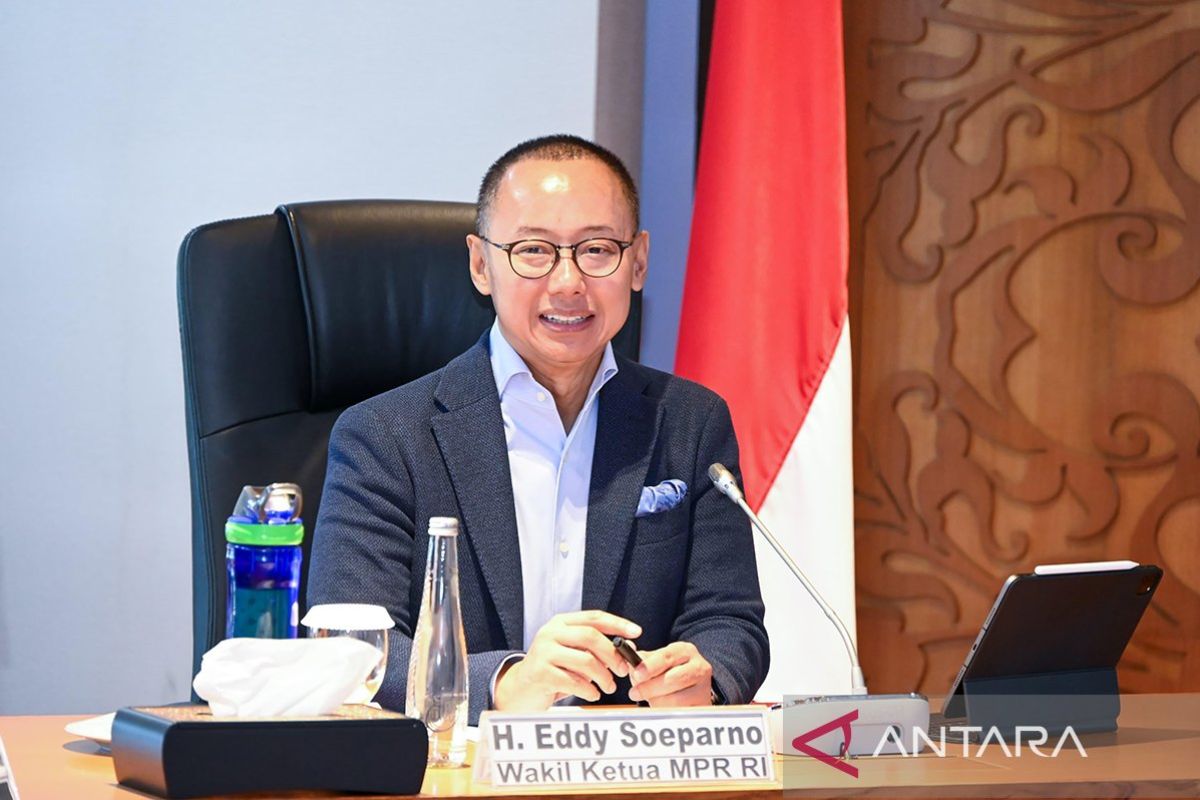
Jakarta (ANTARA) - MPR Deputy Chairman Eddy Soeparno supports the implementation of work-from-home (WFH) policies after Eid, as an effort to save fuel oil (BBM) amid the rise in global oil prices.
“This policy will certainly save national BBM consumption due to reduced societal mobility, especially among workers,” said Eddy to ANTARA when contacted from Jakarta on Monday.
If schoolchildren are also included in this policy, added Eddy, societal mobility will decrease even further, thereby saving more BBM nationally.
Nevertheless, Eddy noted the importance of the government ensuring that the wheels of the economy do not slow down due to the WFH policy.
Eddy urged that the industrial and manufacturing sectors continue to operate as part of efforts to keep the economic wheels turning, amid energy-saving initiatives.
“The wheels of the economy must not slow down, especially the industrial and manufacturing sectors that need to remain operational,” said Eddy.
Previously, during a cabinet meeting at the State Palace in Jakarta on Friday (13/3), President Prabowo Subianto encouraged steps to save BBM consumption and considered WFH policies as an anticipatory measure against the impact of the global crisis.
Then, on Saturday (21/3), Coordinating Minister for the Economy Airlangga Hartarto confirmed that the WFH policy would be implemented after Eid, as an energy-saving effort amid rising global oil prices.
Airlangga stated that this policy applies to Civil Servants (ASN) and is also recommended for the private sector. He also mentioned that WFH would only apply for one day per week.
He added that the government would also coordinate with the Ministry of Manpower and the Ministry of Home Affairs to ensure effective implementation.
On the same occasion, Finance Minister Purbaya Yudhi Sadewa revealed that implementing WFH for one day could provide energy efficiency impacts, particularly in saving fuel oil (BBM).
He explained that the reason the policy is only applied for one day is to maintain a balance between work flexibility and productivity.
Purbaya added that if WFH is applied for one day, for example on Friday, it would create a longer weekend sequence, namely Friday–Saturday–Sunday. This is seen as able to encourage household activities while providing a small boost to the tourism sector.