
MPR Deputy Chairman Says Energy Crisis Creates Seller's Market, Urges Indonesia to Remain Vigilant
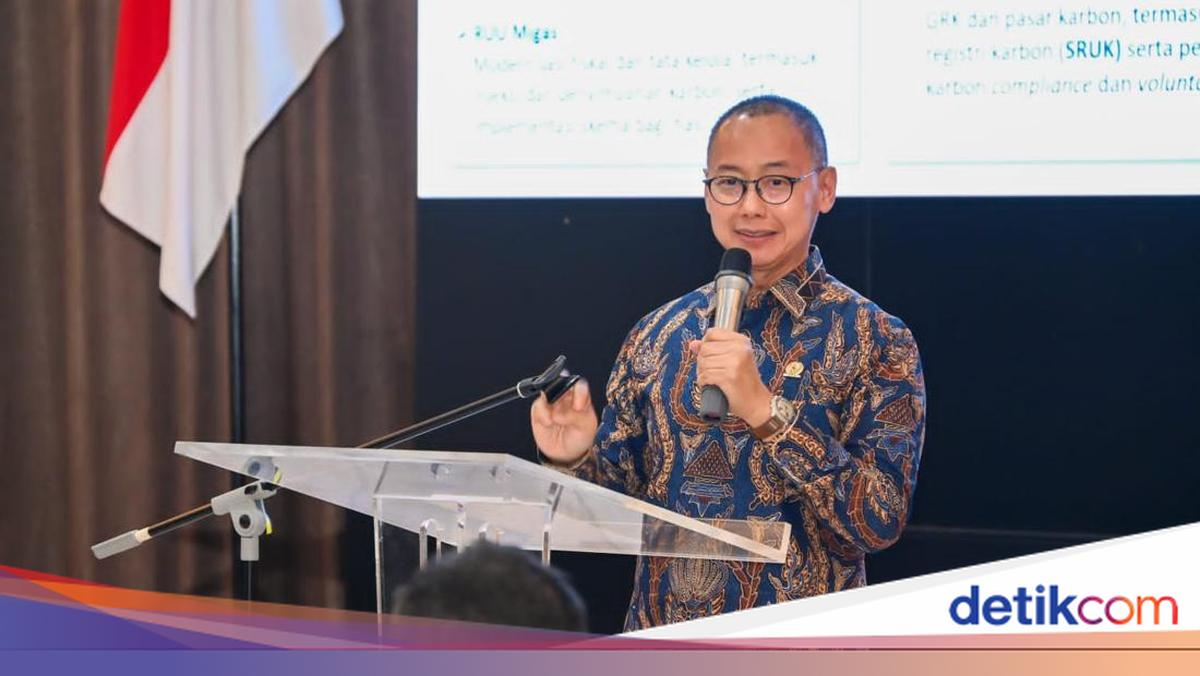
Deputy Chairman of the MPR from the National Mandate Party (PAN) faction, Eddy Soeparno, stated that the energy crisis resulting from the ongoing war in the Middle East has given rise to a ‘seller’s market’. According to Eddy, a ‘seller’s market’ means that the sale of crude oil and gas (oil and gas) is controlled by parties possessing oil and gas supplies.
“At present, the market mechanism in the oil and gas sector is temporarily halted, given the global energy disruption due to the war, which has led to a surge in demand while oil and gas supplies are constrained by the closure of the Strait of Hormuz. We are currently witnessing a ‘seller’s market’ that controls oil and gas trade transactions,” explained Eddy in a written statement on Friday (3/4/2026).
Eddy explained that the ‘seller’s market’ grants significant authority to oil and gas producers and suppliers to determine prices, volumes, and to whom these oil and gas supplies will be sold.
Therefore, lobbying capabilities, both in terms of Government to Government (G2G) and Business to Business (B2B), must be optimised.
“Indonesia’s international diplomatic machinery needs to work extra hard so that oil and gas supplies from friendly countries can be obtained according to our national needs and capabilities. The same applies to Pertamina, which needs to maximise its existing trading network to ensure oil and gas supply certainty from various sources both domestically and abroad,” stated the PAN Deputy Chairman.
According to Eddy, although Indonesia has not declared a domestic energy emergency, the world in general is caught in the vortex of an energy crisis.
“The level of uncertainty in supply and prices is very high, so Indonesia must be extra vigilant and agile in seeking supplies of crude oil, gasoline, and LPG, which are currently still supplied through import routes. The energy crisis, followed by the ‘seller’s market’, serves as an alarm for Indonesia to accelerate the energy transition, electrification, and bioenergy development,” said the UI Political Science Doctor.
“We are currently feeling how thin the line is between energy resilience and national resilience,” he concluded.