
MPR Deputy Chair urges swift recognition of indigenous women's roles
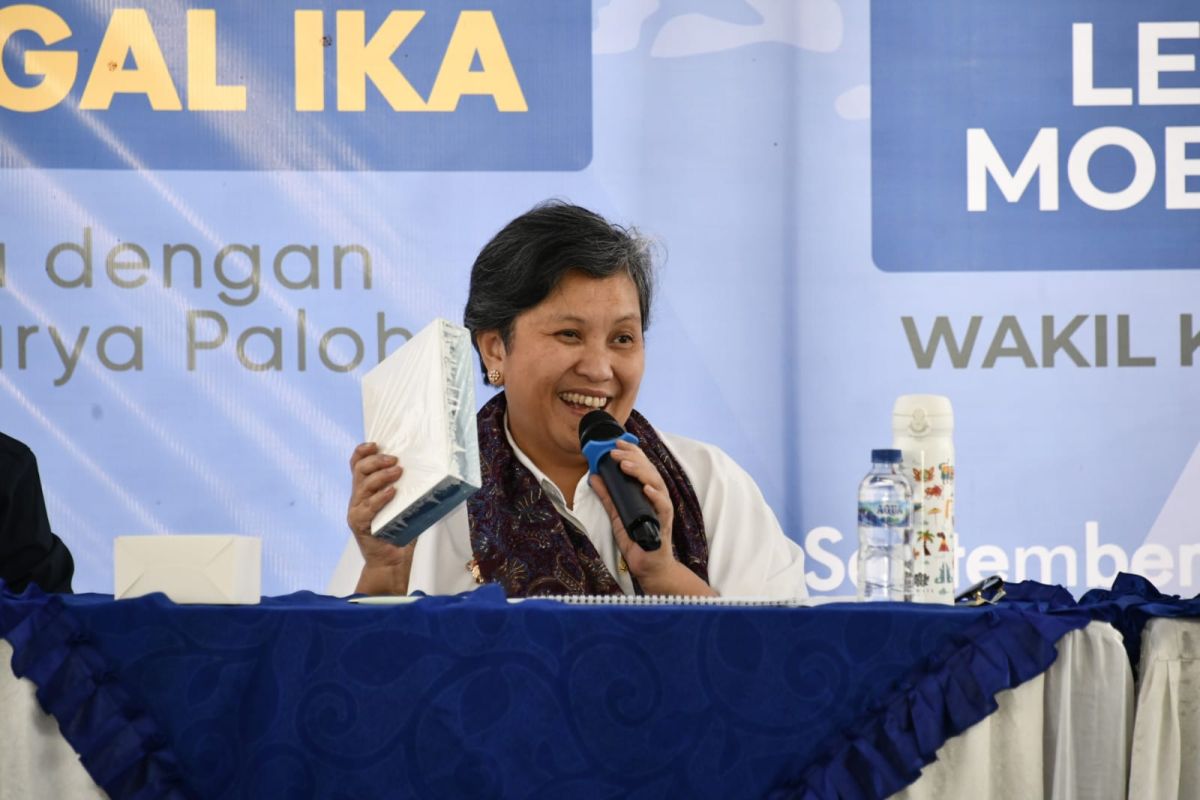
Jakarta (ANTARA) - MPR RI Deputy Chair Lestari Moerdijat is urging the swift recognition of the roles and rights of indigenous communities, especially women, as part of efforts to strengthen societal resilience in the face of threats from climate and food crises.
Lestari delivered this statement in a press release received in Jakarta on Thursday, coinciding with Indigenous Women’s Awakening Day in the Archipelago, commemorated annually on 16 April.
“The knowledge of indigenous women regarding forests, food, and cultural practices is often neglected by the state. Yet, they are the frontline guardians against the threats of climate and food crises in the future,” she said.
Indigenous Women’s Awakening Day in the Archipelago originated from the establishment of the Indigenous Women’s Alliance of the Archipelago (PEREMPUAN AMAN) on 16 April 2012 in Tobelo, North Halmahera, North Maluku.
Based on AMAN records, Lestari noted, the indigenous population in Indonesia reaches around 70 million people. The mapped indigenous territories span 33.6 million hectares, but they still face overlaps with forest, mining, and oil and gas concessions covering 8.5 million hectares.
According to Lestari, the swift recognition of the roles and rights of indigenous communities, particularly women, is a strategic step to accelerate national development.
She stated that one instrument for protecting indigenous peoples is enshrined in the Indigenous Peoples’ Bill, which has been under discussion for 16 years but has yet to become law.
“The state must be present for all its citizens, including indigenous communities. This is a constitutional mandate. This year must be the year of recognition, not prolonged waiting,” she said.
She added that without recognition of indigenous peoples, Indonesia will lose local solutions to global crises.
“The climate crisis will not be resolved by technology alone. Indigenous women have had the answers for hundreds of years. It is time for the state to listen and recognise them,” Lestari said.