
MPR Deputy Chair States Domestic Workers Protection Law Can Safeguard Household Workers
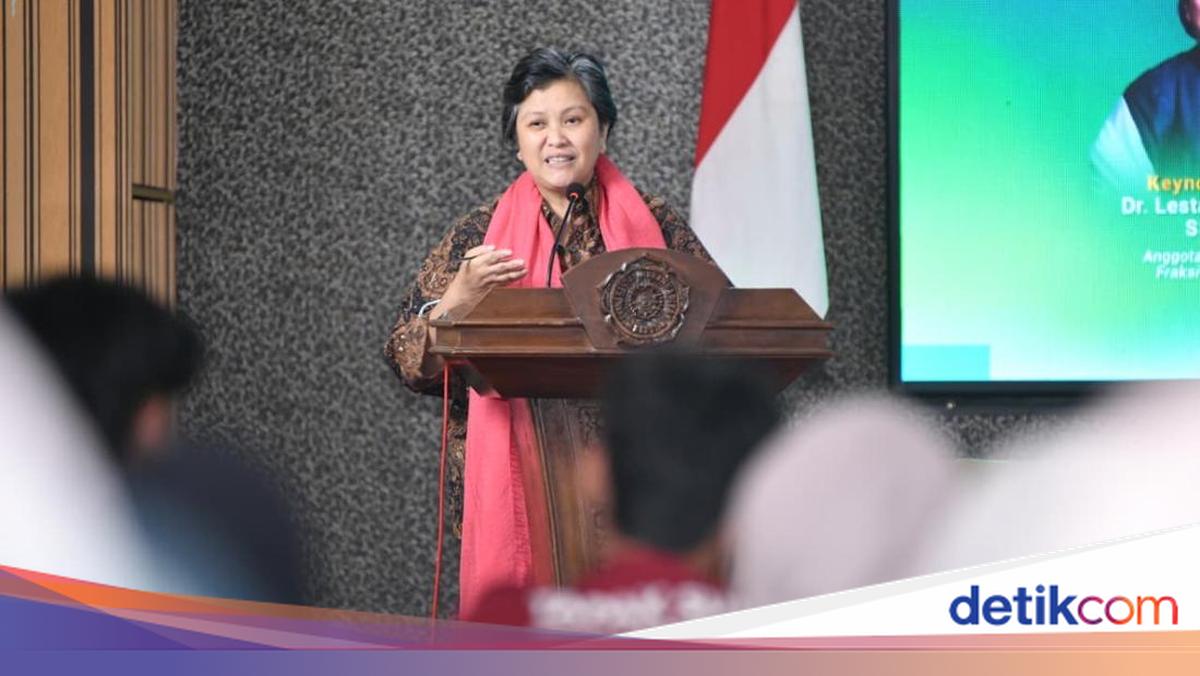
Deputy Chair of the MPR RI, Lestari Moerdijat, stated that the enactment of the Domestic Workers Protection Law (UU PPRT) represents a concrete step towards realising emancipation for millions of women in Indonesia, as the law is able to protect domestic workers.
She expressed this in a written statement responding to the enactment of the UU PPRT, which coincides with Kartini Day today.
“The values of RA Kartini’s struggle to realise women’s emancipation continue to live on to this day. Emancipation without legal protection is merely rhetoric. The birth of the UU PPRT today is hoped to be able to break the chain of exploitation in the domestic sphere experienced by domestic workers,” said Lestari Moerdijat in her statement on Tuesday (21/4/2026).
After being submitted and discussed 22 years ago, the Domestic Workers Protection Bill was enacted as the UU PPRT in a plenary session of the DPR RI in Jakarta.
According to her, the enactment of the UU PPRT is a momentum to affirm that the state is now present for marginal groups who have lived for decades without guarantees.
Data from the Ministry of Manpower in 2025 records that there are more than 4 million domestic workers (PRT) in Indonesia, dominated by women. Ironically, they have not been specifically protected under labour law until now.
“Wages are often unclear, there is no health guarantee, and they are vulnerable to various forms of violence,” she said.
She revealed that several important points regarding protection assurances, such as social security, health, and employment, are regulated in the UU PPRT.
Lestari believes that the enactment of the UU PPRT is the initial step to realise comprehensive protection mechanisms for domestic workers.
Several concrete follow-up steps must be carried out immediately, such as massive socialisation to all regencies/cities in Indonesia so that society understands the content of the UU PPRT in full.
“In addition, the establishment of quick and easily accessible complaint mechanisms, as well as appropriate sanction enforcement mechanisms for violators of the law, must be realised immediately,” she stated.
According to her, the mandate of the UU PPRT must be guarded together until protection for domestic workers is truly realised in practice.
“If Kartini in one of her letter quotes mentioned ‘After darkness comes light’, the UU PPRT is the light for domestic workers whose flame we must strive for and maintain together,” she concluded.