
MPR: Bureaucratic reform must not create new uncertainties for teachers
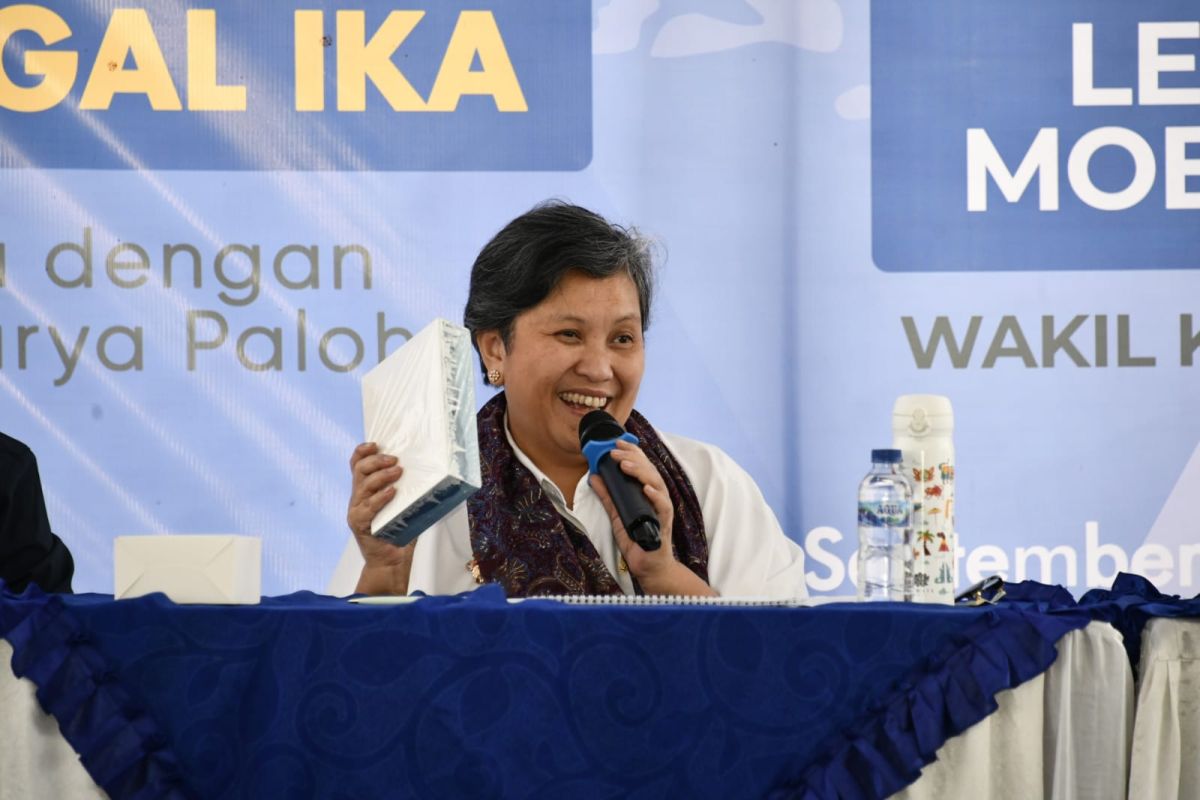
Jakarta (ANTARA) - Deputy Speaker of the People’s Consultative Assembly (MPR) RI Lestari Moerdijat stated that strong political will is needed from policymakers for the success of civil servant (ASN) governance, as bureaucratic reform must not create new uncertainties for teachers.
“Do not let bureaucratic reform instead give birth to new uncertainties for teachers who have long served to maintain the continuity of national education,” she said in a statement in Jakarta on Monday.
According to her, issues related to teachers must not be understood merely as administrative personnel matters. This is because it concerns the direction of the nation and the state’s duty to fulfil the constitutional mandate to enlighten the life of the nation.
She assessed that the abolition of honorary staff status through the implementation of Law Number 20 of 2023 on ASN is indeed intended to improve national bureaucratic governance.
However, this policy must not stop at mere changes in nomenclature or administrative tidying, because for years, the national education system has been supported by non-ASN teachers.
“They (non-ASN teachers) are not just complements to the system. They are the main pillars of educational continuity in many regions,” said Lestari.
She viewed the current situation as indicating fundamental problems in national education governance, namely the mismatch between real educational needs in the field and policies on recruitment, distribution, and protection of educators.
As a result, the state has allowed the emergence of dependence on non-ASN teachers without adequate protection and certainty systems.
“Do not let bureaucratic reform instead give birth to new uncertainties for teachers who have long served to maintain the continuity of national education,” said Lestari, who is also a member of the House of Representatives (DPR) Commission X.
According to her, the state needs more fundamental and long-term solutions, not just administrative transition schemes. In the future, a serious national roadmap is needed regarding teacher needs in Indonesia.
This roadmap encompasses the distribution of educators, a fair recruitment system, job status certainty, professional protection, and decent welfare.
She emphasised that the quality of national education cannot be built on the uncertainty of the fates of its educators.
“If the state is serious about building superior human resources, then teachers must be positioned as the main foundation of national development, not just bureaucratic variables,” she said.
She also reminded that Article 31 of the 1945 Constitution of the Republic of Indonesia has mandated that the state is obliged to organise a national education system to enlighten the life of the nation.
Therefore, all education-related policies should be built with a complete national perspective, including ensuring educational continuity, access justice, and certainty for educators.
“A great nation cannot be built by ignoring teachers. In their hands, the quality of the generation and the direction of Indonesia’s future are at stake,” said Lestari.