
MPR: 2026 Economic Census a Momentum for Data-Driven Inclusive Policy
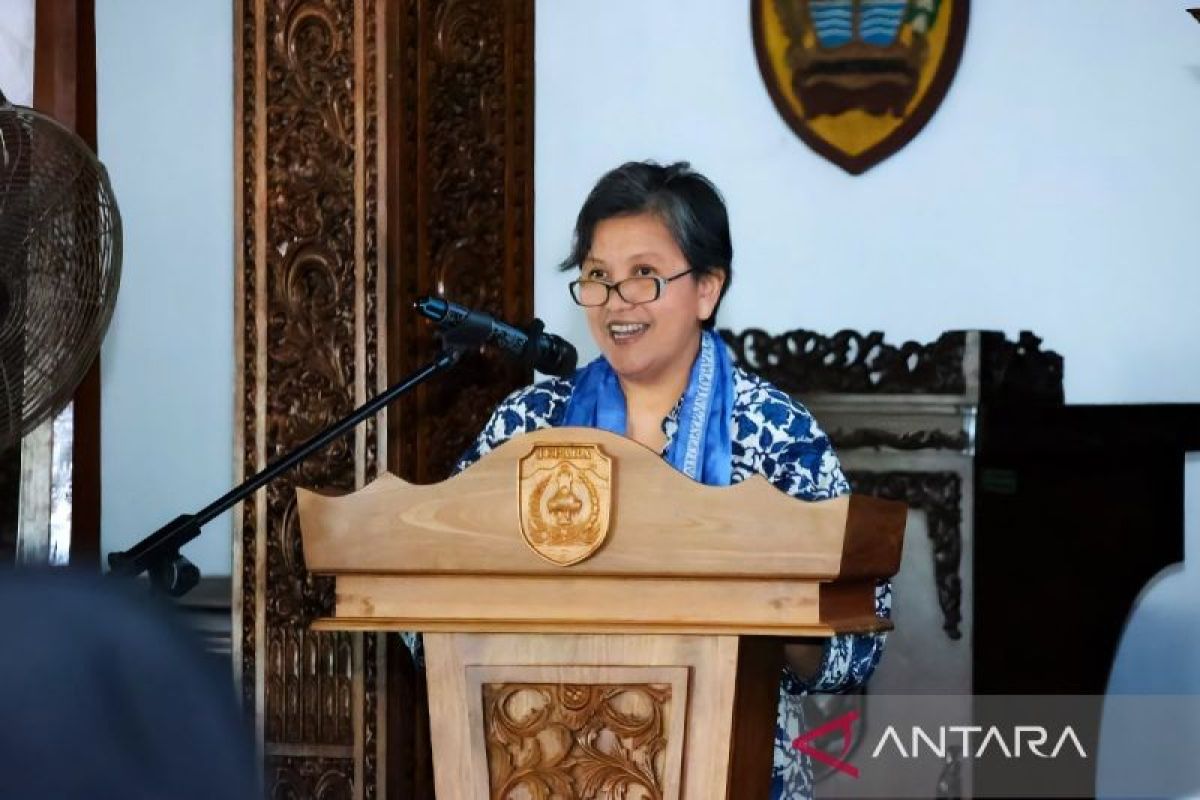
Jakarta (ANTARA) — Deputy Speaker of the Indonesian People’s Consultative Assembly (MPR) Lestari Moerdijat has said the 2026 Economic Census is a momentum to obtain detailed and comprehensive data to realise inclusive economic policy.
“The momentum of the 2026 Economic Census is a strategic step to obtain detailed and comprehensive data as the basis for policies capable of increasing women’s participation in the economic sector,” said Lestari Moerdijat, also known as Rerie, in a statement in Jakarta on Thursday.
According to her, the Economic Census to be conducted by Statistics Indonesia (BPS) between May and August 2026 must produce detailed data so it can serve as a foundation for decision-makers in formulating policy.
In this way, she said, the resulting policies will be well targeted and responsive to the real obstacles faced by women. Without adequate data, efforts to promote economic equality for women will merely spin their wheels.
“When we fight for women’s rights, we are in fact working to strengthen our nation’s civilisation. Today, women still confront structural and cultural glass walls that hinder their access to decent work and strategic positions,” she said.
Referring to BPS data as of February 2026, Rerie said the gap remains wide because women’s labour force participation rate has only reached around 56.63 per cent, while men stand at 84.40 per cent.
She highlighted that 61 per cent of working women are employed in the informal sector, which lacks protection and social security. In addition, there is still a wage gap, with female workers earning on average Rp2.80 million per month, lower than men at Rp3.55 million.
She said the 2026 Economic Census conducted by BPS is a step forward, particularly through its collaboration with the Ministry of Women’s Empowerment and Child Protection and Permodalan Nasional Madani to reach more women running micro-enterprises.
“We need more than just counting the number of business actors. The census or survey must be able to capture in detail the types of obstacles women face, whether it is the double burden, access to capital, financial literacy, or cultural stigma that limits their employment choices,” she said.
She added that sharper data will help the government measure the effectiveness of programmes already under way.
Rerie expressed hope that the data from the 2026 Economic Census can serve as a foothold to achieve a better labour force participation rate for women and foster an inclusive and just economic ecosystem for all Indonesians.
“Data is the key. With detailed data, we can design affirmative policies that not only provide access to capital, but also mentoring, capacity building, and recognition of women’s economic contributions that have long gone unseen,” she said.