
MP: WFH for Fuel Efficiency Should Not Become Counterproductive
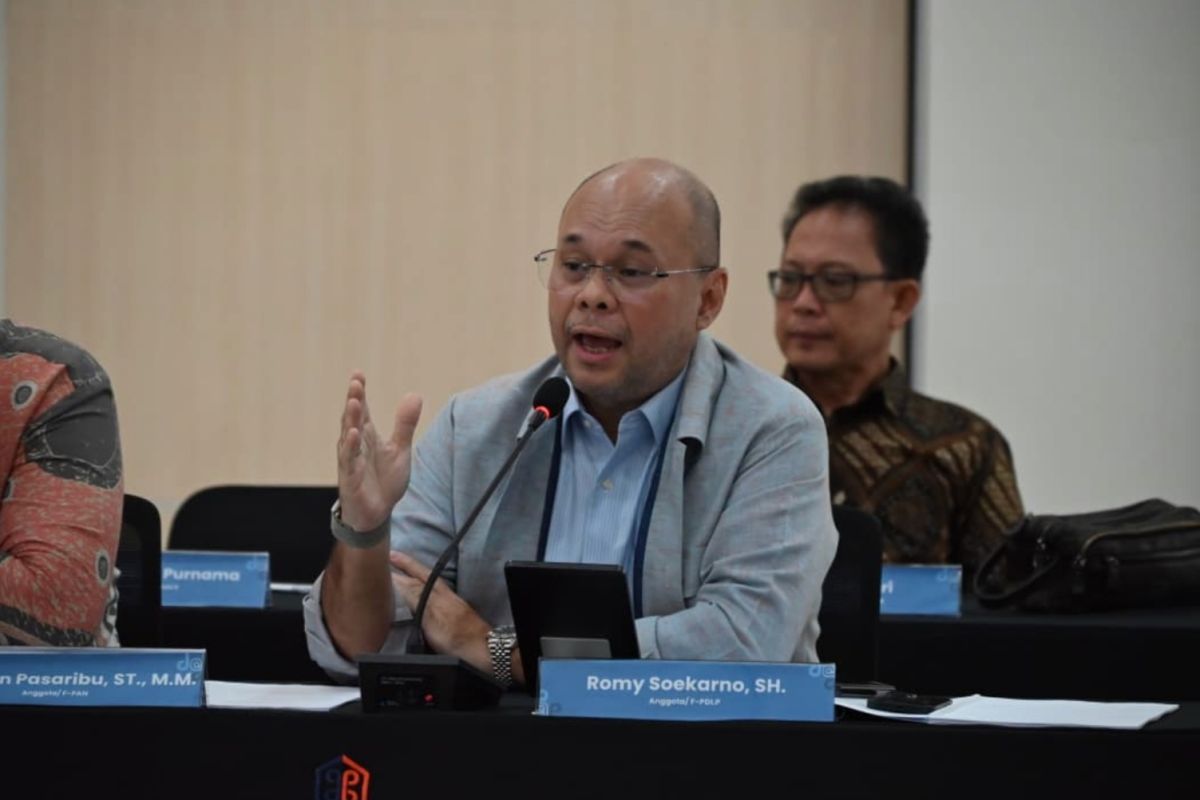
Jakarta - An Indonesian House of Representatives Commission II member, Romy Soekarno, stated that the policy discourse on working from home (WFH) to enhance fuel stock efficiency amid global dynamics must not result in a counterproductive situation. In practice, Romy said that WFH often makes work processes less swift. Decision-making in bureaucracy becomes slower, coordination is less effective than face-to-face interactions, and communication fragmentation frequently occurs. “We must not ignore aspects of bureaucratic performance and the general work environment,” Romy said in Jakarta on Thursday. Moreover, according to him, WFH also eliminates the “human touch.” Direct interactions are not merely formalities but the foundation of trust, leadership presence, and team solidity. “When these interactions diminish, what emerges is a more mechanistic work pattern lacking depth in collaboration,” he stated. Therefore, Romy encourages upholding several principles if WFH is implemented, namely determining neutral days such as midweek to avoid perceptions of extended holidays, strengthening impact-based performance control systems, and standardising effective communication and coordination. Romy also emphasised that public policies must always consider the balance between efficiency and quality. Efforts to save fuel should not come at the cost of declining productivity and service quality to the public. Previously, Interior Minister Tito Karnavian stated that the work-from-home (WFH) proposal would be implemented one day per week, though the final decision awaits presidential instructions. Tito affirmed that the WFH scheme is not new, as the same work pattern was applied during the COVID-19 pandemic. Coordinating Minister for the Economy Airlangga Hartarto has also stated that this policy applies to civil servants (ASN) and is encouraged for the private sector.