
MP urges periodic evaluation of WFH policy for civil servants
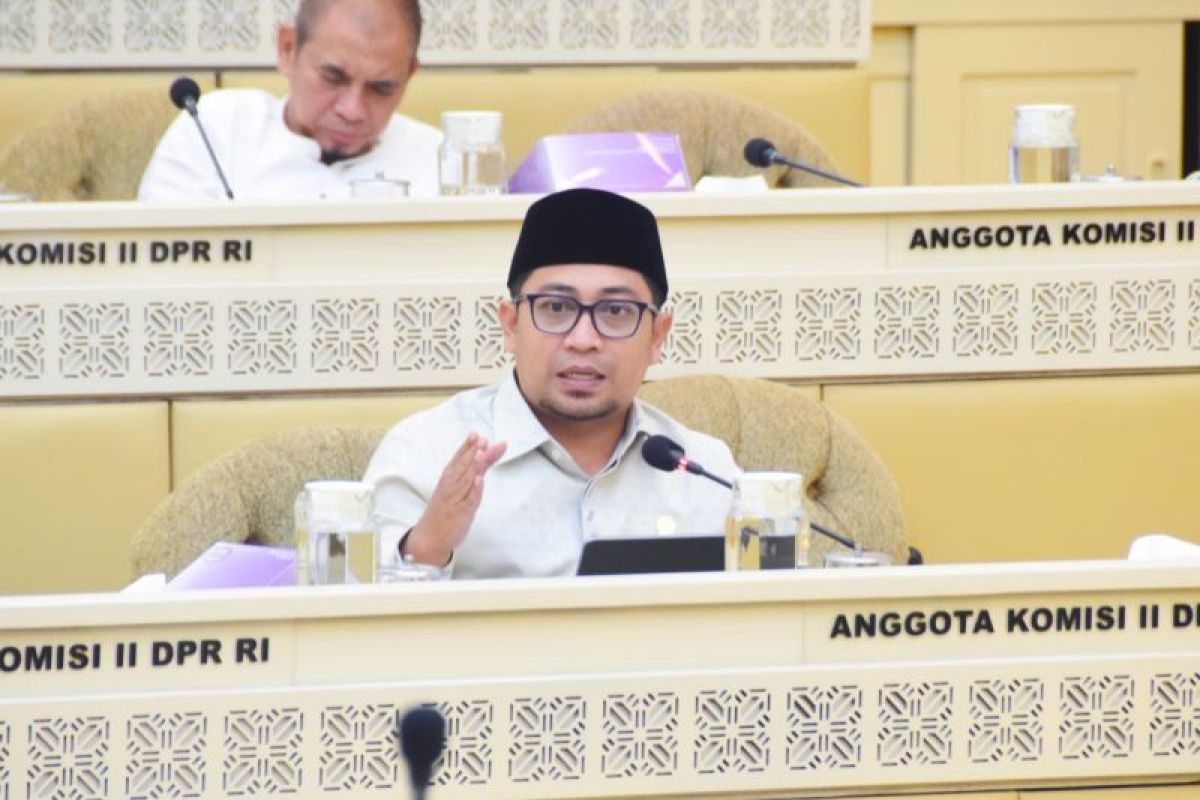
Jakarta (ANTARA) - Member of Commission II of the House of Representatives, Muhammad Khozin, has requested that the work-from-home (WFH) policy for civil servants (ASN) be evaluated periodically to ensure it achieves the results targeted by the government.
“We request that the implementation of WFH every Friday be evaluated periodically and supervised consistently by ministries, agencies, and local governments. Ensure that the WFH implementation on Fridays meets the target of reducing fuel consumption (BBM). In addition, ASN productivity must be maintained in providing public services,” Khozin said in his statement in Jakarta on Tuesday (31/3).
The government has decided on the WFH policy to be implemented every Friday. Regarding this, Khozin understands that the government has discretionary authority in determining WFH as a manifestation of government administration.
“However, in our view, the choice of this day is not ideal because it is feared it will turn into a long weekend,” he said.
Beyond the WFH implementation on Fridays, Khozin encourages the central government and local governments to use this momentum to seriously design better public transportation in the regions. In addition, the WFH implementation also becomes a momentum for air pollution control.
“Therefore, in the implementation of WFH, this is not merely a bureaucratic matter, but related to public transportation and the momentum for pollution control in the regions. Cross-ministry and agency coordination must be carried out. Once again, this momentum must be utilised for the common good,” he stated.
It is known that the government has officially implemented the work-from-home or WFH policy for ASN every Friday. The government also encourages WFH for the private sector.
Coordinating Minister for the Economy Airlangga Hartarto, in a press conference on Tuesday (31/3), said the policy will take effect starting 1 April 2026 and will be evaluated after two months of implementation.
Several sectors are exempt from the WFH policy, including the public services sector (health, security, and cleanliness) as well as strategic sectors (industry, energy, water, basic materials, food and beverages, trade, transportation, logistics, and finance).
In the education sector, teaching and learning activities for primary to secondary levels will continue to be conducted face-to-face. Meanwhile, for higher education, the implementation will adjust to the policies of the relevant ministry.