
MP urges government to adjust foreign tourist targets amid global dynamics
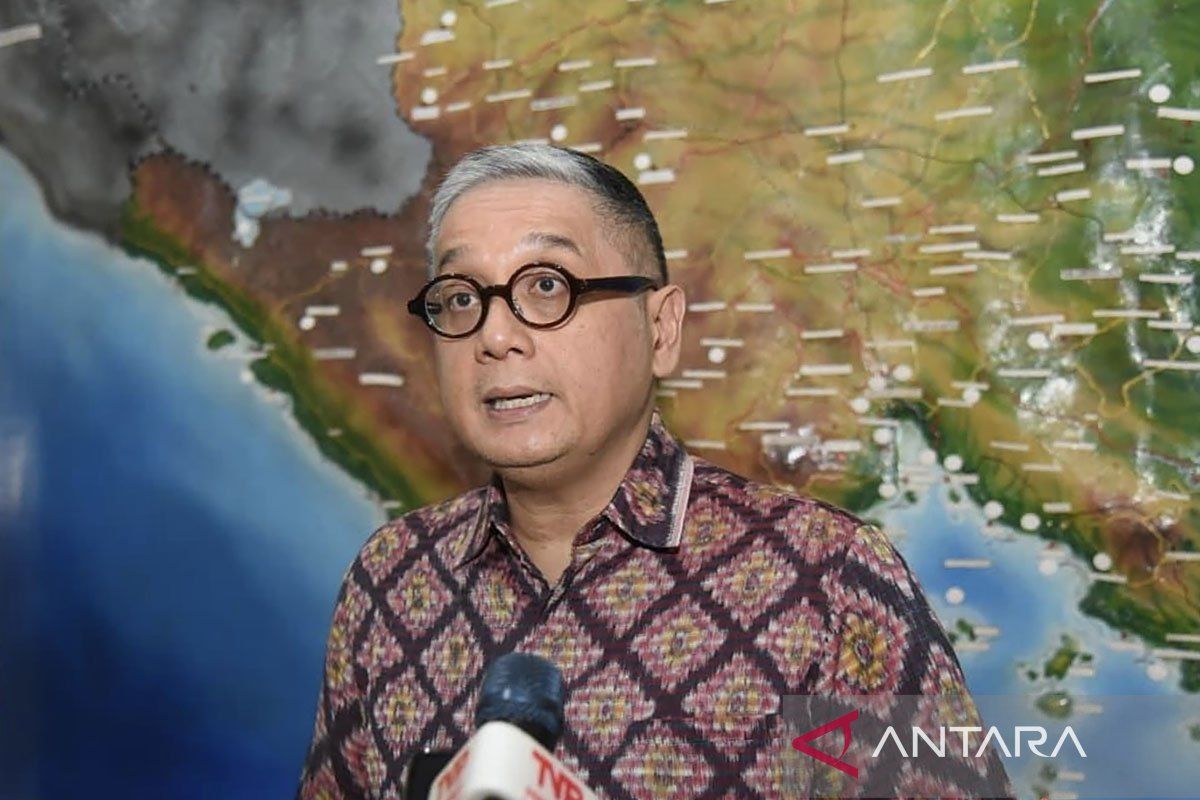
Jakarta (ANTARA) - Member of the Indonesian House of Representatives Commission VII Putra Nababan has urged the government, through the Ministry of Tourism, to adjust the foreign tourist visit targets amid the dynamic geopolitical situation resulting from tensions in the Middle East region.
According to him, all parties need to be realistic in assessing tourism visit potential amid such circumstances, as the ongoing conflict also affects the global tourism industry.
“Therefore, we must quickly shift our focus. If the European market is hindered, we must optimise the potential right in front of us, namely the Asia region, Australia, and New Zealand,” said Putra in Jakarta on Friday.
He stated that geopolitical conflicts have reduced the number of tourist visits from Europe to Indonesia. Meanwhile, that segment is a high-value category known for long stays and high spending.
At present, according to him, the country needs fresh sources of foreign exchange income. By shifting the foreign tourist target focus, he believes the country’s foreign exchange stability will be maintained.
“Given Indonesia’s strategic, safe, and comfortable geographical position, the tourism sector should become the main engine of growth amid global uncertainty,” he said.
In addition, Putra urged the Ministry of Tourism not to delay decision-making.
According to him, incentive policies for foreign tourists must be executed immediately as a step to mitigate economic impacts.
“In the midst of a difficult global situation, we must ensure Indonesia remains the most competitive, safe destination that provides ease for anyone who wants to visit,” he said.
He also proposed more aggressive visa-free policies, by dividing foreign tourist profiles into two main categories that must be handled specifically.
Putra explained the first category, namely comfort-priority tourists from advanced countries such as Japan, Australia, and New Zealand.
For them, visa prices are not the main issue, but rather administrative ease. They want a quick process without long queues.
Meanwhile, the second category consists of price-sensitive tourists, such as those from China and India. That group has a very large mass, but they highly consider additional costs, such as visa on arrival (VoA).
“We can attract tourists seeking comfort as well as those seeking cost efficiency. The result is increased visit volume, and foreign exchange will flow,” he said.