
MP: Strait of Hormuz is the World's Energy Lifeline, War Must Be Stopped
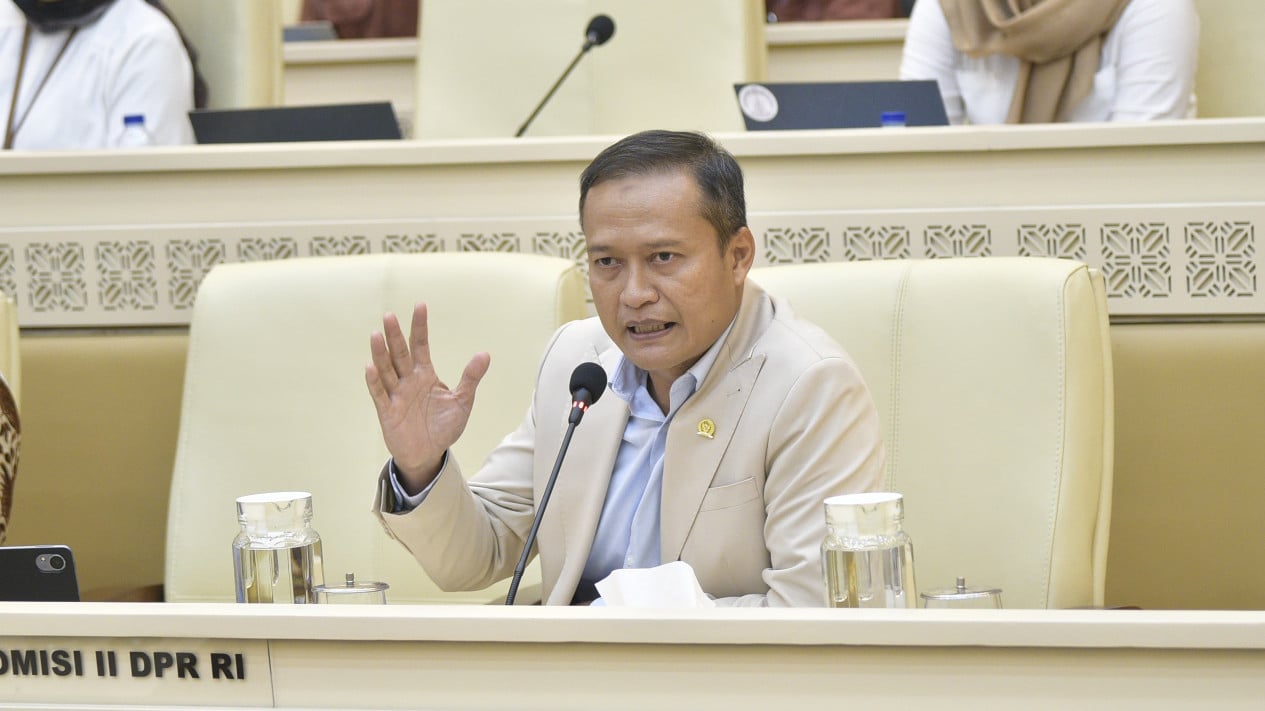
Jakarta, VIVA – Member of Commission II of the Indonesian House of Representatives (DPR RI), Azis Subekti, assesses that the impact of the war in the Middle East is felt by people around the world. He believes that a military decision could influence the price of raw materials to transportation costs. “We live in an era where one military decision in one region can change the price of rice, transportation fares, even someone’s life expectancy in a distant place,” said Azis in his statement on Friday, 10 April 2026. Azis explained that the conflict between the United States (US)-Israel and Iran has widened on a regional scale. The cost of war, he said, moves at a speed that is almost incomprehensible. “In the first six days alone, America has spent more than USD11 to USD12 billion. That means almost USD1.8 billion per day, or about USD1.3 million per minute,” said Azis. He added that some estimates show the total cost could exceed USD1 trillion if the war drags on. According to him, that figure is no longer just large, but morally absurd. On the other hand, he believes that war not only consumes budgets but also devours the future. The United Nations (UN) estimates that this conflict could wipe out USD194 billion in economic output in the region and push millions of people into poverty, with millions of jobs lost. In addition, he said, the Strait of Hormuz is the key to the world’s energy that is now threatened. Due to the closure of the Strait of Hormuz, nearly 20 percent of the world’s oil supply is disrupted and energy prices soar. “The Strait of Hormuz is the lifeline of the world’s energy, now threatened. Nearly 20 percent of global oil supply is disrupted. Energy prices soar, inflation spreads. Countries far from the battlefield also pay a price they did not choose,” he concluded. “War today is no longer local. It is a global virus. And behind all those numbers, there is something that cannot be calculated. Civilians who lose their homes. Children who lose their parents. Cities that turn into rubble before they can grow into hope,” he added. Azis said that war can never resolve conflict. War, he continued, only shifts suffering, from one area to another, from one generation to the next.