
MP Proposes Bali as Model for Integrated Immigration System
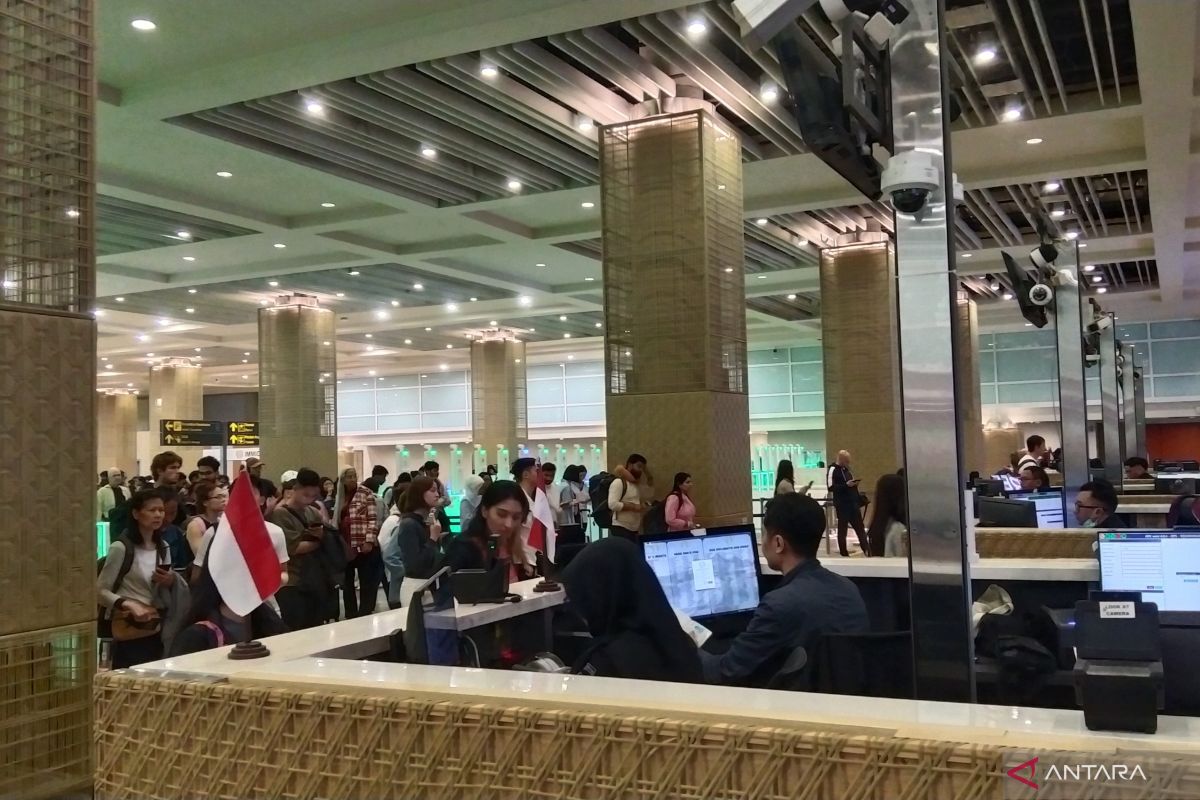
Denpasar (ANTARA) - Rieke Diah Pitaloka, a member of Commission XIII of the Indonesian House of Representatives (DPR RI), has proposed that the government utilise Bali as a pilot centre for an integrated immigration governance system, given that the ‘Island of the Gods’ serves as Indonesia’s primary gateway.
“Bali must become a model for modern immigration governance based on the ‘One Data Indonesia’ initiative, digital government systems, transparency, accountability, and the protection of national sovereignty,” Rised stated in Denpasar on Sunday.
She noted that Bali is one of the regions in Indonesia with significant activity involving foreign labour, foreign investment, and the mobility of foreign nationals. According to her data, throughout 2025, Bali received approximately 6.9 million international tourists with over 15 million international border crossings. During the same period, around 53,428 immigration stay permits were issued, nearly 28,000 passports, generating Non-Tax State Revenue (PNBP) of approximately Rp1.5 trillion.
“The large flow of people and capital must be balanced by an integrated monitoring system,” she said. Rieke argued that immigration governance in Bali should not be viewed partially, only in relation to visas, passports, and stay permits. Instead, she believes immigration in Bali is directly linked to national security, investment, employment, the protection of Indonesian citizens, state revenue, environmental sustainability, and the sovereignty of the Unitary State of the Republic of Indonesia (NKRI).
Furthermore, Rieke proposed improvements to the immigration system, including the need for investigative audits and digital forensic audits regarding the issuance of visas, Limited Stay Permits (KITAS), Permanent Stay Permits (KITAP), investor stay permits, work permits, foreign national sponsors, and Foreign Capital Investment Companies (PMA). She highlighted the need to link these with the Online Single Submission (OSS) business licensing system, taxation, and BPJS social security participation.
She also raised concerns regarding the misuse of shell companies, fraudulent investments, nominee practices, abuse of stay permits, illegal foreign workers, human trafficking (TPPO), money laundering (TPPU), gambling, online fraud, and other transnational crime networks that exploit gaps in immigration governance.
Rieke expressed hope for the integration of immigration data into the national ‘One Data Indonesia’ architecture and the Digital Government System, ensuring that the monitoring of foreign nationals can be accessed and verified quickly by the relevant authorities. Additionally, she emphasised building system interoperability across ministries, agencies, local governments, and traditional village administrations as part of the National Digital Government System. Rieke also urged the creation of regulations to serve as the legal basis for data integration and cross-agency coordination in national immigration administration.