
MP: Potential Conflict in Legal Philosophy in Asset Forfeiture Bill
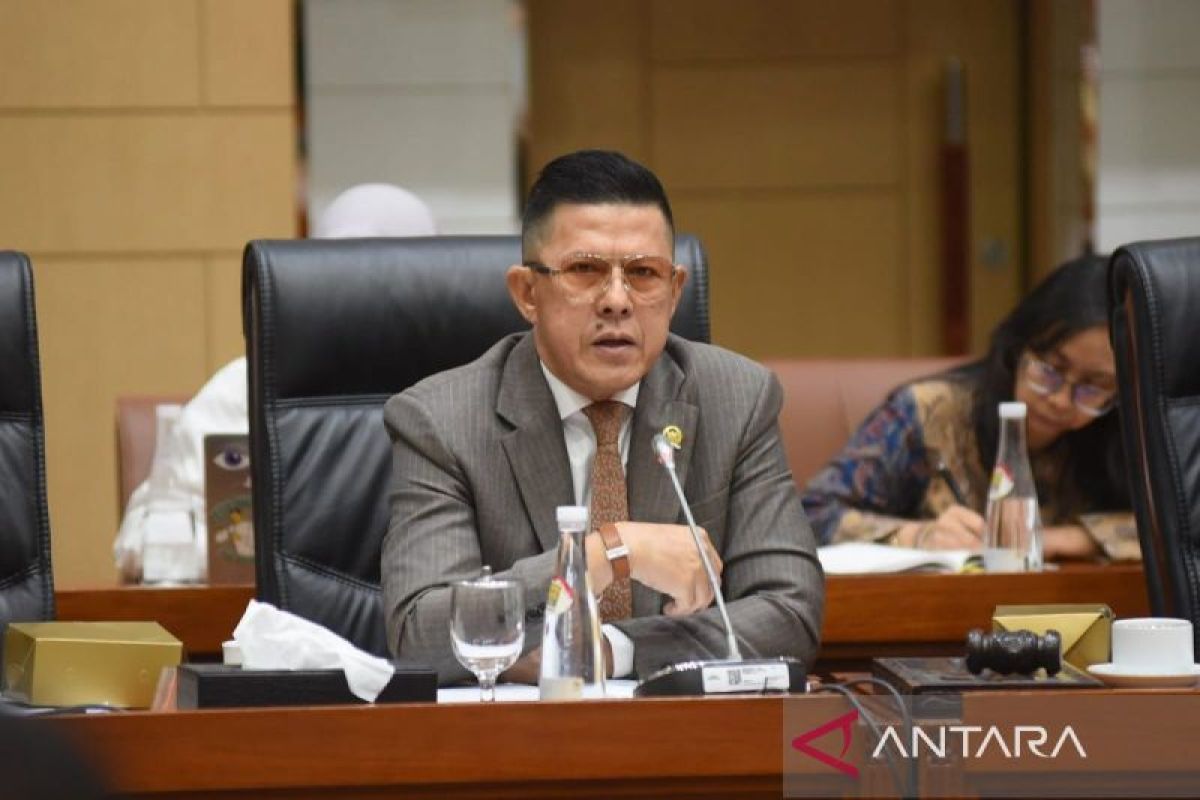
Jakarta (ANTARA) - Member of DPR RI Commission III Soedeson Tandra believes there is potential for a conflict in legal philosophy within the Asset Forfeiture Bill (RUU Perampasan Aset), particularly regarding the shift in legal focus from the subject to the object.
According to him, the mechanism for asset forfeiture without a criminal court decision (non-conviction based), which prioritises the in rem principle (focus on the item), could undermine the character of Indonesian law, which adheres to a civil law system that is in personam (focus on the person).
“This is an issue that has been on my mind from the start because this asset forfeiture focuses on in rem, on the item. Yet our character is civil law, ‘whoever’, in personam,” said Tandra in a statement in Jakarta on Thursday.
According to him, forcing the forfeiture mechanism without a criminal legal process risks violating Article 28 of the 1945 Constitution (UUD). He emphasised that every citizen, without exception, has the right to protection of their wealth and property.
In addition, he stated that Article 6 of the Judiciary Powers Act provides that a person may not be declared guilty without a valid judge’s decision.
On the other hand, according to him, the transfer of rights to goods in Indonesia involves complex procedures, from agreements to administrative handover processes (levering). He is concerned that if the Bill ignores these processes, the state will take actions that are legally considered premature.
“Seize first, then forfeit after the decision. Even the word ‘forfeit’ without a legal process is wrong to me. Law is a process; it can’t just suddenly take it because (the assets) are excessive. That is extremely dangerous,” he said.
According to him, the Bill must also regulate clear limits on state losses to avoid uncontrolled law enforcement and massive targeting of civil servants (ASN). If state losses are eliminated and only the term fraud is recognised, he is certain all civil servants will be arrested by the police.
“State losses provide boundaries, providing something concrete to unlawful actions,” he said.