
MP Calls for Temporary Halt to Reclamation on Serangan Island
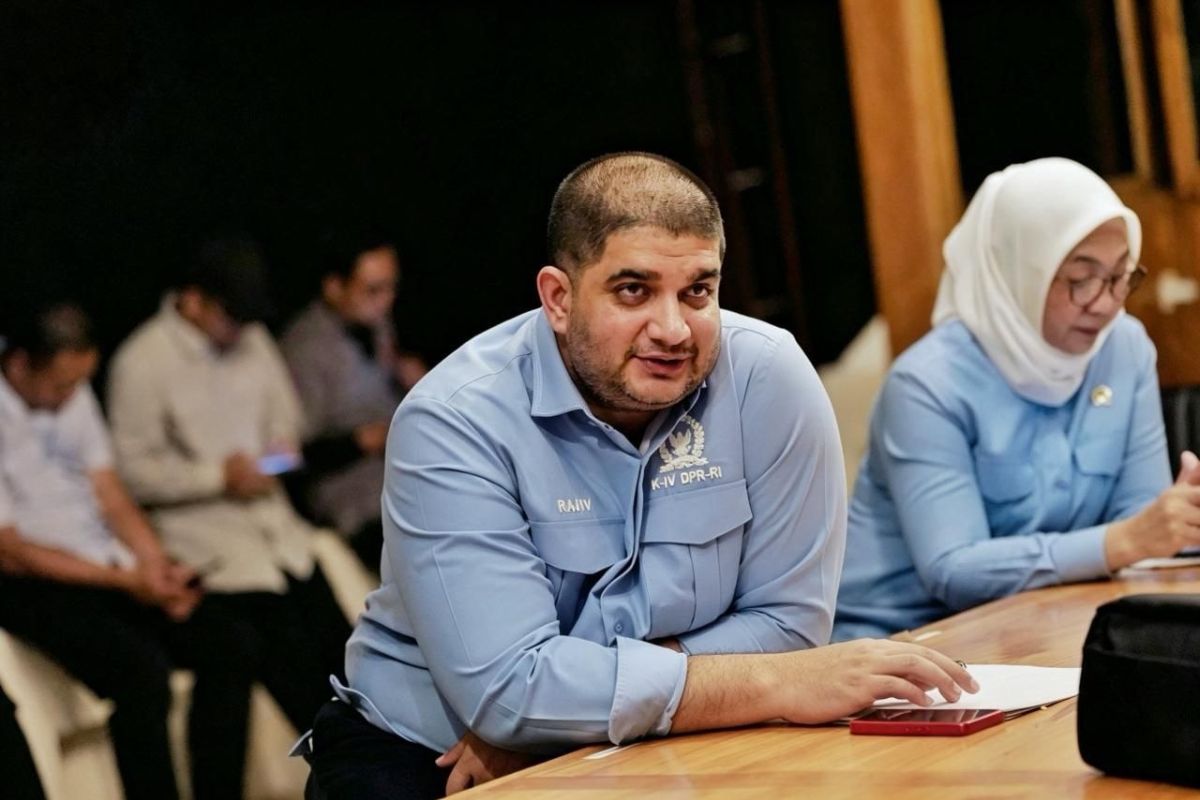
Jakarta (ANTARA) - Member of Commission IV of the Indonesian House of Representatives (DPR RI), Rajiv, has requested a temporary halt to reclamation activities on Serangan Island, Bali, for evaluation to prevent further widespread damage and ensure development proceeds without harming the ecosystem and local communities. He also called on central and regional governments to evaluate the reclamation activities that have been ongoing for nearly four decades on the island. “I request the temporary suspension of all development, reclamation, land compaction, vegetation clearing, and use of heavy machinery in the Serangan Island area,” Rajiv said in a statement received in Jakarta on Monday. He stated that the temporary halt would continue until all permitting documents, land status, environmental studies, and spatial planning compliance are thoroughly examined openly. According to him, this temporary suspension is not an anti-investment stance, but rather a precautionary mechanism to prevent broader damage and ensure that development does not sacrifice the ecosystem and local communities. Rajiv also highlighted the massive reclamation on Serangan Island, Bali, and the destruction of the mangrove ecosystem. Over decades, the reclamation has caused drastic changes to the landscape. Based on spatial data he obtained, from 1985 to 2024, due to coastal reclamation on Serangan Island, its area has increased from 169.64 hectares to 600.96 hectares. “Over nearly four decades, the area of Serangan Island has grown by 431.32 hectares. That means, on average, Serangan expands by 10 hectares each year,” he revealed. Rajiv said that Serangan Island, formerly a small island with ecological, social, cultural, and economic functions for coastal communities, has now undergone drastic landscape changes due to reclamation. “The main problem with the reclamation of Serangan Island is not merely the addition of land, but the loss of the ecological functions of coastal spaces that previously supported local community life,” he said. Research by scientists from Gadjah Mada University (UGM) records that reclamation policies on Serangan Island’s coast have caused negative impacts such as coastal abrasion, loss or damage to ecosystems, and social conflicts due to loss of livelihoods and land acquisition issues. “There is an academic study by UGM researchers that finds the impacts of reclamation are not only physical but also affect the right to life of coastal communities who have long depended on the sea, mangroves, and traditional fishing grounds,” he stated. He also revealed ecological impacts such as abrasion and disruption to turtle ecosystems, as well as damage to coral reefs post-reclamation. The situation has become more serious following complaints from local residents indicating alleged mangrove clearing and land compaction in Teluk Lebangan, Serangan Island. “Local residents’ complaints further clarify the loss of living space for coastal communities; the reclamation of Serangan Island requires corrective action, not just an ordinary tourism development project,” said Rajiv. He emphasised that the special economic zone (KEK) status should not justify ignoring environmental protection, local community rights, and principles of sustainable spatial planning. Rajiv assessed that investments must be subject to environmental carrying capacity, not the other way around, so firm actions need to be taken immediately. “The regional government, Bali DPRD, National Land Agency, law enforcement apparatus, and environmental agencies need to evaluate the reclamation activities on Serangan Island, Bali,” he said.