
Mount Sinai, the Mountain Where Moses Spoke With God, to Be Transformed into a Luxury Hotel
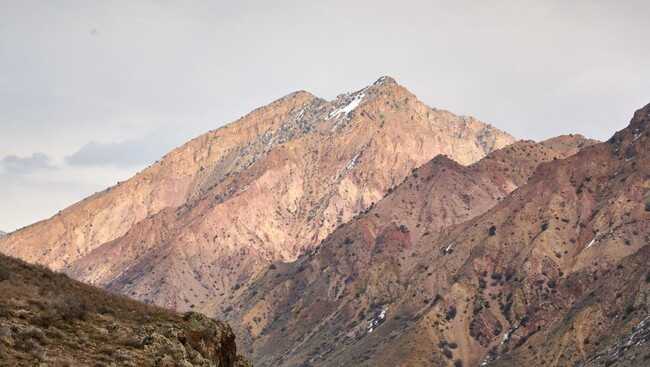
Mount Sinai in Egypt is believed to be the place where Prophet Moses received revelations from Allah. The mountain is even named in the Qur’an as Ṭūr Sīnā or Ṭūr Sīnīn. Despite its high historical and spiritual value, one area of Mount Sinai is set to be turned into a luxury resort, complete with shopping centres and a cable car. Egypt describes the project as a multi-billion dollar masterpiece aligned with President Abdel Fattah El-Sisi’s vision to make the area a global destination.
Under a programme titled the Great Transfiguration Project, the mountainous region of Sinai will be filled with luxury hotels, restaurants, premium villas, shopping centres, and a cable car. The nearby airport facilities are being expanded. The plan has raised concerns about the loss of spiritual value and cultural heritage on the mountain.
Many references to Mount Sinai appear in the Qur’an. In that sacred Muslim text, it is referred to as Ṭūr Sainā, Ṭūr Sīnīn, and aṭ-Ṭūr. Many also believe that on this mountain, according to the Bible and the Qur’an, God spoke to a prophet from a burning bush.
Mount Sinai, one of the world’s most sacred religious sites, is also home to the Monastery of St. Catherine, founded in the 6th century, known as the oldest active Christian monastery in the world. The Prime Minister Mostafa Madbouly even called it a gift to the world and to all faiths. However, the development has provoked unrest among the local communities, especially the Bedouin Jebeleya community.
BBC reported that a number of houses and eco-tourist camps run by residents were demolished. In some cases, locals were forced to relocate family graves to make way for new parking space. Ben Hoffler, a British travel writer who has long worked with Bedouin tribes in Sinai, described the project as top-down and bypassing local voices. ‘A new world is being built around the nomadic tribes, who have long chosen a separate life. It is a world they did not agree to, and it will change their place of residence forever,’ he told the Independent.
Mount Sinai and the Monastery of St. Catherine have been on UNESCO’s World Heritage List. But rapid development has prompted calls for the site to be placed on the ‘in danger’ list. The World Heritage Watch organisation, in an open letter in July, urged UNESCO to act decisively. World Heritage Watch chair Stephan Doempke said Egypt had provided inconsistent information and stressed that the tranquillity of the area is a core value that must be preserved to protect the sanctity of the landscape and the space for monks.
About 4,000 people live in the area, but many are reluctant to speak about the project that could alter Mount Sinai’s face forever. For the Egyptian government, the project is a golden opportunity to boost the tourism economy while promoting historical and religious heritage. For the local community and cultural observers, however, the scale of development risks sacrificing sacred values that have long been the main draw of Mount Sinai.