
Mount Dukono is not a place to challenge death
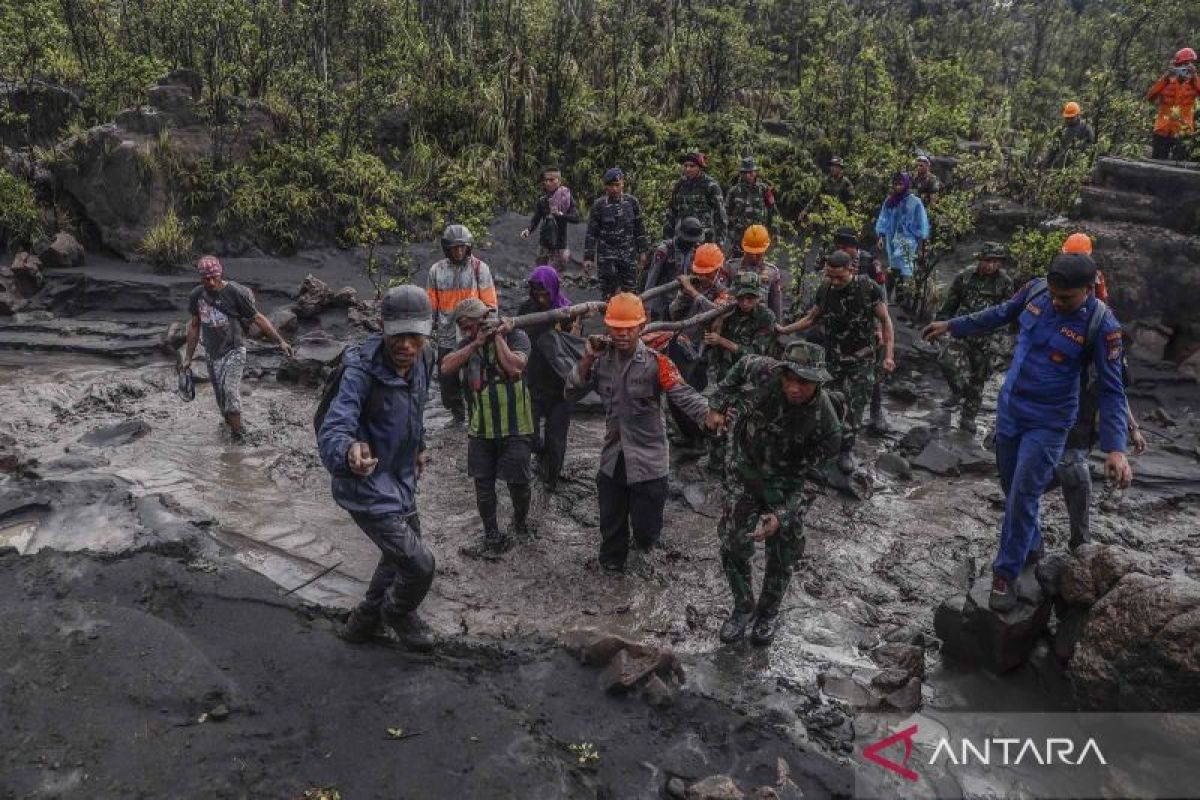
The government must not hesitate to restrict hiking activities, even if the policy seriously impacts tourist visits and regional income. Mataram (ANTARA) - The forced evacuation of more than a dozen hikers, the fall of one fatality, and two other hikers still being searched for paint a bitter picture of the eruption of Mount Dukono on Halmahera Island, North Maluku. The incident demonstrates the magnitude of the disaster threat lurking in areas of active volcanoes, especially when volcanic activity increases sporadically. Yet, Dukono is not a mountain that erupts suddenly without first showing natural signs as an initial warning before a major eruption. Since 11 December 2024, the Centre for Volcanology and Geological Hazard Mitigation (PVMBG) has recommended that people refrain from activities within a four-kilometre radius of the active volcanic centre at Malumpang Warirang crater. Hiking tourism has been closed since 17 April 2026 due to rapidly increasing magmatic and volcanic activity. The four-kilometre zone from the crater holds direct threats in the form of ejected incandescent rocks and the spread of volcanic ash. Thick eruption columns with heights of ten kilometres above the summit of Mount Dukono are commonplace in active volcanoes, considering Indonesia’s geographical position in the world’s Ring of Fire. Throughout 2025, Dukono, which stands at 1,355 metres above sea level, ranked among the top four most active erupting mountains nationally, following Mount Semeru, Mount Ibu, and Mount Lewotobi Laki-laki. This top-four national ranking indicates that the mountain, with its Level II or Alert status, is not an adrenaline arena for challenging death, but rather a natural destination that must always be respected and approached with caution by humans. Mount Dukono also holds a Type A classification due to its history of eruptions from 1600 to the present. The eruption characteristics are intermittent and often not accompanied by strong deep volcanic earthquakes. Hiking mountains is not about conquering nature, but understanding human limits in the face of nature. Safety must be the top priority above the ego of adventure. FOMO Culture Post the Covid-19 pandemic, which no longer restricts human movement for outdoor activities, the intensity of hikes to Mount Dukono has increased significantly due to numerous viral videos showing moments of eruptions from the crater rim. The presence of social media featuring dramatic stories related to hiking active volcanoes has given rise to a fear of missing out (FOMO) culture, thereby fostering a trend in extreme hiking tourism.