
Mount Dukono Has Actually Been Closed to Hikers Since April 2026
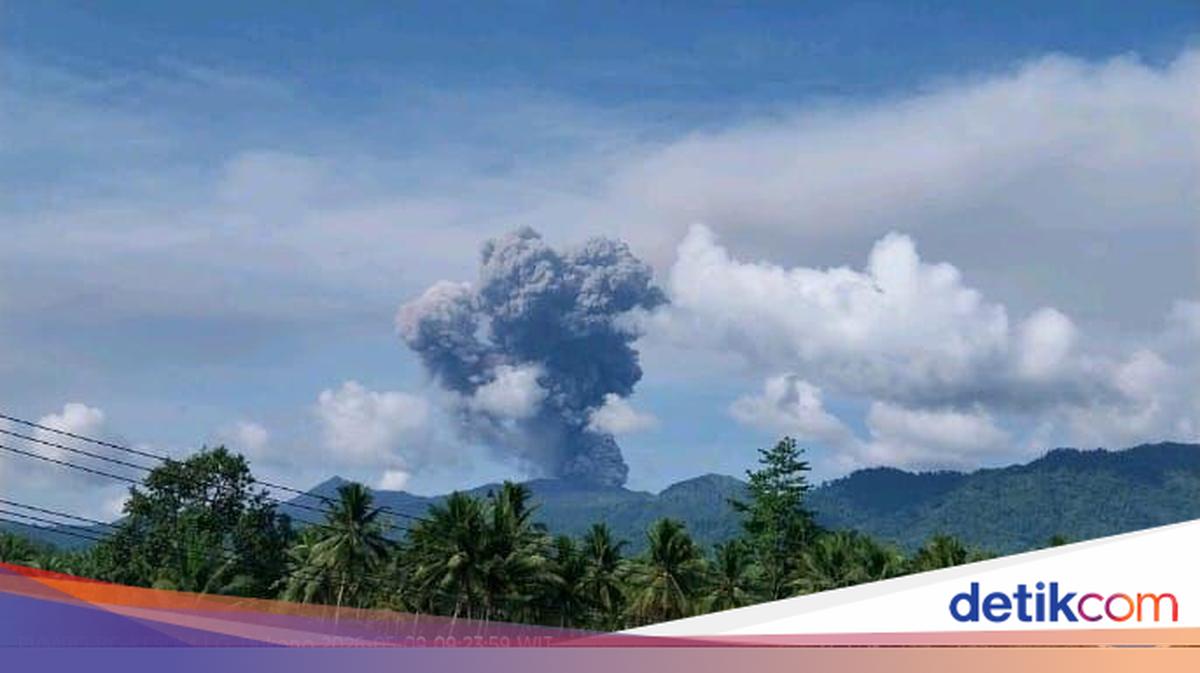
The policy of a total closure of climbing on Mount Dukono was established through decision letter number 556/061, issued on 17 April 2026. The letter was issued by the North Halmahera Regency Government via the Tourism Office.
“In the letter, it is stated that operators/managers/service providers or any parties are prohibited from granting climbing permits to anyone,” said the Head of the Data, Information, and Disaster Communication Centre of the National Disaster Management Agency (BNPB), Abdul Muhari, as quoted by detikSulsel on Sunday (10/5/2026).
The public, climbers, or tourists are also prohibited from entering the disaster-prone area (KRB) within a 4-kilometre radius from the crater summit. This is in accordance with recommendations from the Centre for Volcanology and Geological Hazard Mitigation (PVMBG).
Following the increase in volcanic activity and the incident that occurred on Friday (8/5), the North Halmahera Regency Government (Pemkab Halut) has reaffirmed the total closure of climbing. This policy was established through a letter with number 500.10.5.3/491, issued on the same day.
“Through this decision, the public and tourists are asked to heed the appeals from the local government and are prohibited from climbing through all entry routes to the mountain area,” he said.
Managers and climbing service providers for Mount Dukono are also urged to actively socialise the closure of climbing routes and the potential dangers of eruptions to the public and tourists to avoid endangering lives.
“The local government will monitor climbing activities in the Mount Dukono area. Any violations of the climbing route closure provisions may be subject to sanctions in accordance with applicable laws and regulations,” Abdul Muhari explained.
To prevent incidents involving climbers on Mount Dukono from recurring in other areas, BNPB has reminded that recommendations for restricting activities in volcano disaster-prone areas also apply to several other active volcanoes in Indonesia. These volcanoes are currently at status Level II (Alert) or Level III (Caution).
These volcanoes include Mount Lewotobi Laki-Laki, Raung, Gamalama, Marapi, Merapi, Semeru, Bur Ni Telong, Banda Api, Sorik Marapi, Karangetang, Ile Lewotolok, Sinabung, Lokon, Rinjani, Dempo, Ibu, Slamet, Soputan, Tambora, Anak Krakatau, Kerinci, Bromo, Awu, Sangeang Api, and Iya.