
More Than Just Names: The Stories Behind Kebayoran, Lebak Bulus, and Manggarai
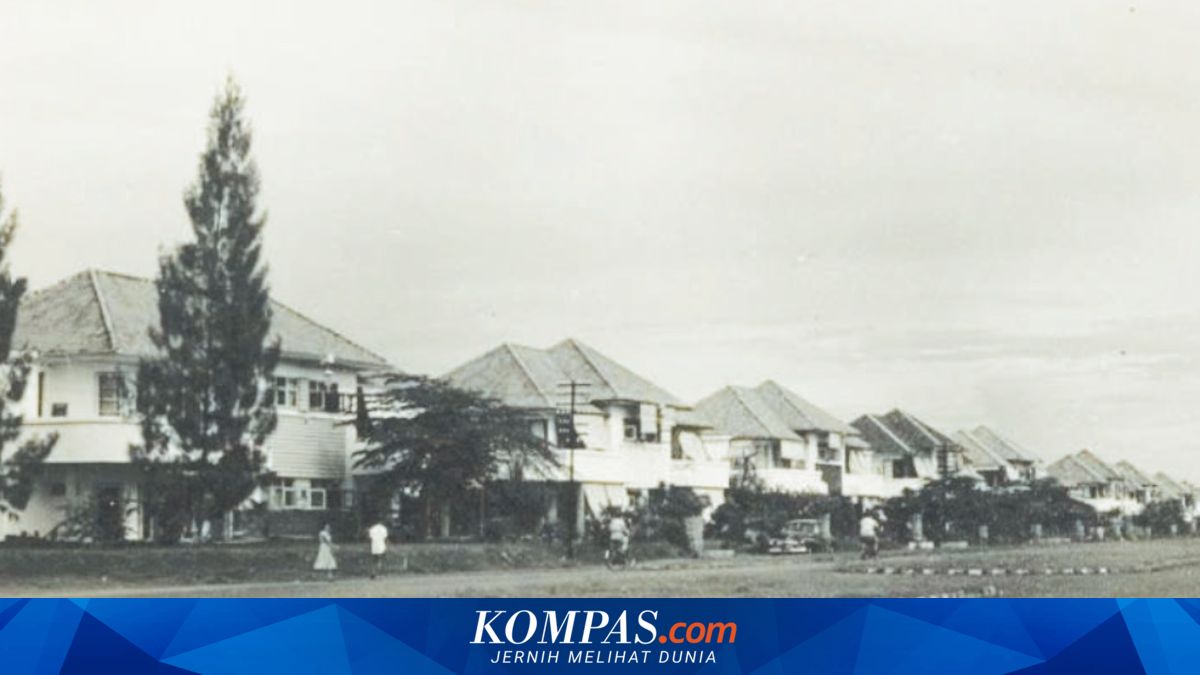
JAKARTA, KOMPAS.com - The names of districts in South Jakarta, such as Kebayoran, Lebak Bulus, and Manggarai, hold a long historical trace related to nature, colonial activities, and population movements. These three areas developed from functions and meanings that were vastly different before becoming part of the current Jakarta metropolis. Quoting from the book “Asal-Usul Nama Tempat di Jakarta” by Rachmat Ruchiat (2018), many place names in the capital originate from geographical conditions, flora and fauna, to traces of immigrant communities that once settled in those regions. The name Kebayoran comes from the word kabayuran, which means a place for stacking bayur wood. Besides bayur wood, this area also served as a storage site for various types of log timber, which was then transported to Batavia via the Krukut River and Grogol River by floating them downstream. During the colonial era, around 1938, Kebayoran was even planned to become the site of an international airport. However, that plan was cancelled due to the outbreak of World War II. After independence, this area was then developed into the Satellite City of Kebayoran Baru in 1949. Lebak Bulus has a meaning derived from natural conditions. Lebak means valley, while bulus refers to the freshwater turtle (Amyda cartilaginea). This name is believed to have emerged because in ancient times, the area irrigated by the Grogol River and Pesanggrahan River was a habitat for turtles. Historically, this region has been recorded since the 17th century. Based on a land ownership letter from 1675, the Lebak Bulus area was once owned by Bapak Made and Bapak Candra, before undergoing changes in ownership up to the Dutch colonial period. Meanwhile, the name Manggarai is believed to originate from the early migrants from West Flores who named their settlement area like their homeland, Manggarai.