
More People Implanting Computers in Brains, Here's the Latest
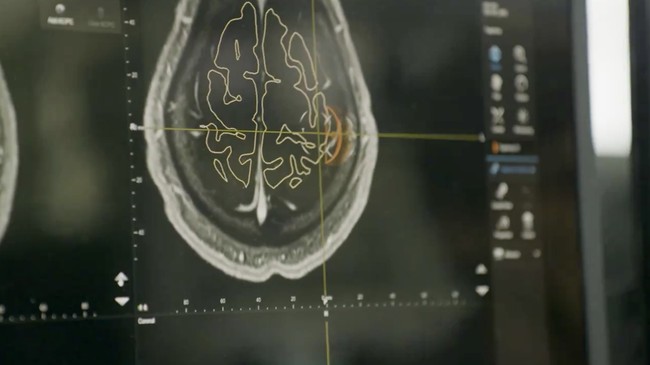
Jakarta, CNBC Indonesia - Neurotechnology startup Science Corporation, owned by former Neuralink president Max Hodak, is collaborating with a renowned neurosurgeon to commence the first human trials of a biohybrid brain-computer interface in the United States.
The company has appointed Murat Günel, Chair of the Department of Neurosurgery at Yale Medical School, as its scientific advisor following two years of discussions.
He will lead efforts to implant initial sensors into patients’ brains as a step towards technology that combines lab-cultured neurons with electronic components.
Science was founded in 2021 and has recently raised $230 million in Series C funding with a valuation of $1.5 billion.
Its flagship product currently is PRIMA, a vision restoration device for patients blinded by macular degeneration, which is targeted to become more widely available in Europe after regulatory approval.
However, Hodak’s vision is larger than vision therapy alone. He aims to build direct communication pathways between computers and the human brain, both for treating diseases and enhancing human abilities, such as adding new senses.
To date, Neuralink and several other organisations have used electronic sensors to read brain activity in ALS patients or those with spinal cord injuries. With these implants, patients can control computers using only their thoughts. Nevertheless, the market for this technology remains unclear due to regulatory challenges and a limited number of patients.
Hodak considers metal electrode-based approaches risky for long-term brain tissue damage. Therefore, Science is developing biohybrid sensors that use lab-cultured neurons to integrate naturally with the human brain.
“The idea of using natural connections through neurons and creating a biological interface between electronics and the human brain is genius,” said Günel, quoted from TechCrunch, Wednesday (15/4/2026).
The sensors will contain neurons stimulated using light pulses and are designed to merge with the patient’s neurons. In 2024, the company demonstrated that this device could be safely implanted in mice and stimulate brain activity.
In the initial phase, Science will test sensors without neurons on patients already requiring major brain surgery, such as stroke victims. The small device with 520 electrodes will be placed on the brain’s cortex to measure neurological activity.
If successful, this technology has potential applications for various conditions, from aiding the healing of damaged nerve cells and monitoring brain tumours to providing early seizure warnings. Günel also views this biohybrid system as a potential breakthrough for Parkinson’s disease therapy.
“I envision this biohybrid system as a combination of both: you have electronics, and you have a biological system,” he said.
“If the transplanted cells can be placed back and their circuits protected, there is potential, and I believe the potential is good, that we can halt disease progression.”
Nevertheless, human trials will still require time. Günel described a target start for clinical trials in 2027 as an optimistic scenario.