
Money Avoidance: Why Are Some People Afraid of Having Money?
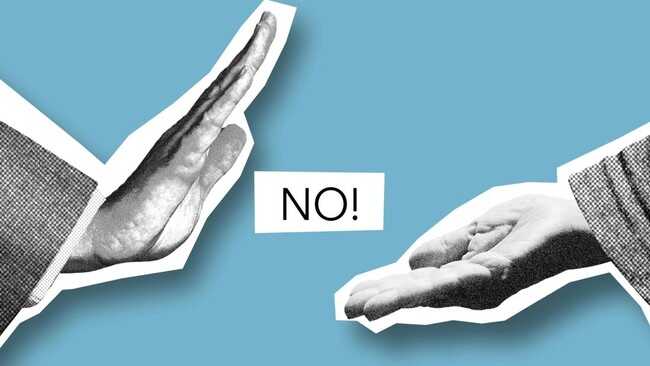
Jakarta, CNBC Indonesia - In the midst of rising financial literacy and easy access to digital investment, many people still struggle to manage money.
The money avoidance phenomenon is worth discussing because it is often not recognised by those involved.
A person may work hard to earn money, but at the same time hold negative beliefs about wealth.
What is Money Avoidance
In financial psychology, money avoidance refers to the belief that money is something bad or unworthy of possession. People with this mindset often feel that wealth is synonymous with greed or unethical behaviour.
Financial psychologist from Creighton University, Dr. Brad Klontz, explains that many people have a complex emotional relationship with money.
“People with money avoidance patterns often believe that money is bad, that rich people are greedy, or that they themselves do not deserve to have money,” said Klontz in a study on financial psychology. Cited from Creative Planning, Friday 6 March 2026.
According to Klontz, such beliefs often develop unconsciously. A person may endeavour to increase their income, but at the same time feel uncomfortable when possessing large sums of money. This psychological conflict ultimately affects daily financial decisions.
Research published in the Journal of Financial Planning also shows that money scripts, including money avoidance, can influence a person’s financial behaviour, from saving habits to how they manage investments.
Money avoidance is usually formed from a person’s life experiences from childhood.
Family experiences, cultural values, and social environment often play a key role in shaping how a person views money.
One of the most common causes is negative money experiences in childhood. Children growing up in households with financial conflict often associate money with stress or quarrels.
As adults, they tend to avoid financial topics because they see money as a source of trouble.
In addition, the moral values developed in the social environment can influence a person’s view of money.
In some cultures, wealth is often associated with greed or dishonesty. These beliefs can cause inner conflict when someone begins to earn a large income.
In a Forbes piece on financial psychology, beliefs about money are usually formed in childhood and continue to influence financial decisions in adulthood.
“Money scripts are subconscious beliefs about money that typically develop in childhood and influence financial behaviour in adulthood,” Forbes reported, cited on Friday, 6 March 2026.
Other factors that often trigger money avoidance include traumatic financial experiences, such as family bankruptcy, large debts, or investment failures. These experiences can shape the perception that money always brings risk and trouble.
Serious Financial Consequences
Although seemingly simple, money avoidance can have a major impact on an individual’s financial condition.
This mindset often unconsciously hampers their financial success.
One of the most common effects is income stagnation. People with money avoidance patterns often feel uncomfortable asking for pay raises or negotiating higher compensation. They worry about being seen as too materialistic or greedy.
In addition, this mindset can affect saving habits. When account balances rise, some people feel uncomfortable and attempt to reduce the amount of money through unnecessary spending.
According to CNBC’s report on financial psychology, an individual’s core beliefs about money strongly influence how they manage day-to-day finances.
“Core beliefs about money often determine whether someone will save, invest, or even avoid managing finances,” CNBC reported, cited on Friday, 6 March 2026.
Another frequent impact is financial anxiety. People who avoid money typically also avoid financial planning. They do not want to look at financial statements, bills, or investments they hold. As a result, financial problems can accumulate unnoticed.
Case Study
The money avoidance phenomenon can be found in everyday life. For example, a high-earning professional who consistently spends annual bonuses quickly. Financially, they are actually able to save or invest, but feel uncomfortable keeping large amounts of money.
In many cases, this behaviour is not merely a spending habit, but a form of unconscious financial self-sabotage. A person may have opportunities to improve their financial condition, but negative beliefs about money make it difficult to sustain wealth.
Cases like this are quite common in financial counselling practice. Many clients come to counsellors not because of insufficient income, but because of an emotionally unhealthy relationship with money.
How to Overcome Money Avoidance
Although it sounds complex, the money avoidance mindset can indeed be changed.
The first step is to realise that one’s relationship with money is not always rational, but is often influenced by emotions and past experiences.
The initial step is to identify personal beliefs about money. Writing down childhood experiences related to money or recalling the values taught by the family about wealth can help understand the source of these beliefs.
The next step is to improve financial literacy. Understanding the basics of money management such as budgeting, saving, and investing can help.