
Mojtaba Khamenei Reportedly Unconscious, Receiving Treatment in Iran's Qom
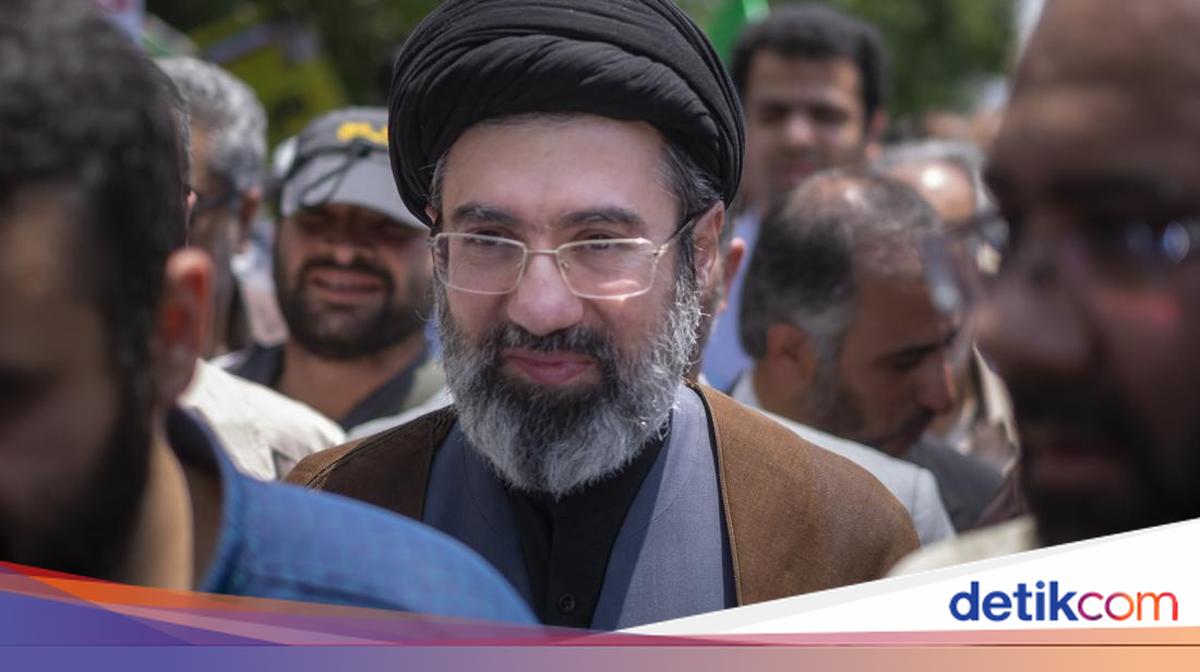
Iran’s Supreme Leader, Mojtaba Khamenei, is reportedly unconscious and undergoing emergency medical treatment in the city of Qom, Iran. His condition has sparked serious doubts about who is truly leading the country as war rages against the United States (US) and Israel.
As reported by The Times of India on Tuesday (7/4/2026), Mojtaba’s condition was revealed in a diplomatic memo seen by The Times, based on assessments from US and Israeli intelligence.
The 56-year-old Supreme Leader is in a “critical” condition, according to the diplomatic memo, and “unable to participate in any decision-making by the Tehran regime”.
The memo, which states that Mojtaba is receiving medical treatment in Qom, marks the first time the Supreme Leader’s location has been publicly revealed.
The report adds that intelligence agencies have known of Mojtaba’s whereabouts for some time but have never disclosed it to the public.
Iran has acknowledged that Mojtaba was injured in a US-Israeli airstrike that killed his father, the late Ayatollah Ali Khamenei, along with several close family members on 28 February.
However, Iranian officials have insisted that Mojtaba remains “leading” Iran, despite him not appearing publicly since the war began. No verified video or audio of him has been released, only written statements read on Iranian state television and AI-generated clips released in recent days.
The lack of direct communication has fuelled speculation that the Supreme Leader may be unable to perform his duties, with opposition groups claiming he is in a coma in hospital.
Several unverified reports mention that he has suffered serious injuries, including broken bones and facial wounds. His condition has created uncertainty over the chain of command in Iran, where the Supreme Leader holds the highest political and religious authority.
This situation has raised questions about whether the Islamic Revolutionary Guard Corps (IRGC) is effectively in control, potentially reducing Mojtaba to a symbolic figure.
US President Donald Trump appears to reinforce this perception, stating that he is negotiating with other Iranian officials and not directly with the country’s Supreme Leader.
This uncertainty at the top of Iran’s leadership comes as tensions continue to rise. Trump has repeatedly threatened to strike Iranian infrastructure, including power plants and bridges, setting shifting deadlines related to demands over the Strait of Hormuz.
Iran has rejected a US-proposed ceasefire and asserted that it will not surrender under pressure.