
Mobile phone sales set to become even more difficult in 2026 as retailers resign to reduced demand
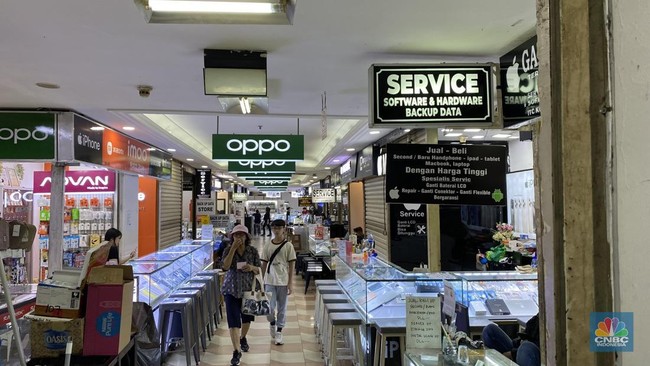
Jakarta, CNBC Indonesia - Mobile phone sales are estimated to become increasingly challenging in 2026. Several Chinese smartphone giants have reportedly been reducing their production and shipment targets from the start of next year, causing retail traders to resign themselves to facing dwindling demand.
Xiaomi and Oppo are said to be cutting production targets by over 20 per cent. Meanwhile, Vivo is lowering production capacity by nearly 15 per cent.
Transsion, the parent company of the Tecno, Infinix, and Itel brands, is experiencing the most severe pressure. According to Huawei Central, the company expects to see shipment reductions of up to 70 million units in the coming year.
In the same report, Chinese smartphone manufacturers are also planning to reduce shipments of mid-range and entry-level devices. Sales focus will shift towards flagship products, with product portfolios being streamlined accordingly.
“To secure resources from upstream producers, handset manufacturers often employ the strategy of exaggerating their shipment figures. However, storage suppliers such as Samsung and SK Hynix have not yet received notification from vendors that they have reduced shipping volumes,” said an industry source.
Another source from a memory chip manufacturer confirmed this practice. They noted that the volumes reported by smartphone producers are relatively similar to last year, though Transsion is still expected to achieve shipments of around 100 million units.
“We will not provide inventory based on estimated volumes. The actual data we are seeing shows only around 10 per cent decline, not the 20 per cent that has been announced,” said the source.
Cost pressures are expected to intensify further. Samsung, SK Hynix, and Micron are reported to be implementing fluctuating component pricing. Samsung and SK Hynix are even planning to raise DRAM prices in the first quarter of 2026 by 60-70 per cent. If smartphone manufacturers do not accept this pricing scheme, they risk experiencing difficulties in securing supply in the future.
Nevertheless, not all brands will be significantly affected. Vendors such as Huawei, Honour, and Lenovo are said to have internal solutions and more independent supply chains.
Huawei, for instance, is working to maintain profit margins by leveraging supply chain cost efficiencies. The company is also pushing for increased market share by reducing prices on several of its smartphone models, including the Pura, Nova, and Enjoy series.
On the downstream side, retailers believe that this situation makes sales increasingly challenging. Adjusted supplies and rising component costs have the potential to dampen consumer purchasing power in 2026, prompting retail operators to begin preparing for a significantly quieter market.