
MMS Welcomes Ministry of Culture's Steps to Simplify Dana Indonesia Raya 2026 Process
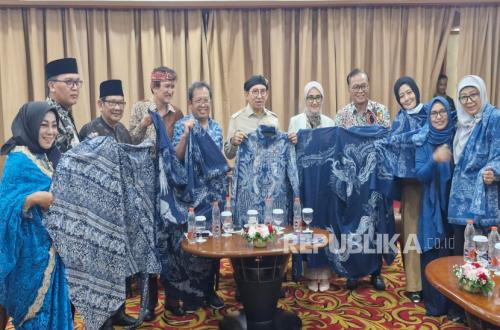
The Ministry of Culture, under the leadership of Fadli Zon, has reaffirmed its commitment to simplifying the governance of the 2026 Dana Indonesia Raya (Dira) programme, totalling Rp 500 billion. This step is taken in response to various inputs from cultural practitioners regarding the complexity of administration in the previous scheme, while also aiming to broaden access and enhance the impact of the programme based on the LPDP Cultural Endowment Fund. During an audience with the Majelis Musyawarah Sunda (MMS) in Bandung on Sunday (19/4/2026) afternoon, Culture Minister Fadli Zon highlighted the importance of transforming the system through technology to accelerate services for the cultural community. According to him, the government has just completed an application that makes the process of submitting and reporting programmes much easier. “We are listening to the aspirations of cultural practitioners. We have shortened the process in the new application, with a broader and more inclusive scope of recipients, while still maintaining caution in managing state funds. This year, Rp 500 billion has been prepared for 3,000 recipients; currently, there are already 3,500 registrants in just two weeks,” he stated. It is recorded that in 2024, there were around 346 beneficiaries, while in 2025, it increased to 2,117 recipients from around 7,000 incoming proposals. Furthermore, he emphasised that the existing system prioritises competition, so all parties must truly create quality proposals. “The existing system still emphasises judging to maintain quality and accountability. However, we will continue to simplify the process through technology to make it faster, more transparent, and easily accessible to cultural practitioners,” he added. In response to these steps, Andri Perkasa Kantaprawira, Chairman of the MMS Executive Board, expressed appreciation for the policy direction, which is seen as increasingly focused and adaptive to field needs. “We welcome the concrete steps by the Ministry of Culture, which are now more focused and specific in advancing culture. This simplification of the process shows the seriousness of the state in presenting inclusive and targeted policies for cultural practitioners, including in Tatar Sunda,” said Andri. From an academic and practical guidance perspective, MMS Expert Council member Prof Chye Retty Isnandes emphasised that administrative simplification is an urgent need. He assessed that bureaucratic complexity has so far been a real obstacle for many cultural communities, including in educational environments. “Simplification of proposals and accountability is very important. We have found cases where the disbursement process can take up to two years. This certainly needs attention so that the programme is truly felt to be beneficial,” explained Prof Retty. MMS Pinisepuh Rd Holil Aksan Umarzen views this momentum as an opportunity to strengthen the scientific basis in national culture as a whole. He encourages in-depth research, including studies on the genomes of Indonesian ethnic groups rooted in Sunda culture, so that cultural policies are not only administrative but also knowledge-based. On the other hand, MMS Pinisepuh Eni Sumarni highlighted the cultural challenges faced by the younger generation, who are increasingly exposed to global culture. She hopes that the Dana Indonesia Raya programme will also be directed towards strengthening local character through the production of cultural content on various digital platforms. “Distinctive Sunda characteristics such as Panca Waluya need to be revived massively. The current younger generation is heavily influenced by foreign culture, so there needs to be intervention through relevant and engaging cultural content,” said the woman who is also Chair of Paguyuban Pasundan Istri. Fadli Zon stated that such inputs are very valuable. Because, the Ministry of Culture is a tool, so it must be utilised by being given inputs. “I read all the letters and proposals that come in, and I also dispose them all to the directors general, whether they can be helped or not. We must synergise, work together, even collaborate with the private sector as patrons of cultural heritage and museums; it can involve philanthropists as happens in many advanced countries,” he concluded.