
Mitigating Energy Crisis Threats, Purbaya Accelerates Structural Reforms via Debottlenecking Task Force
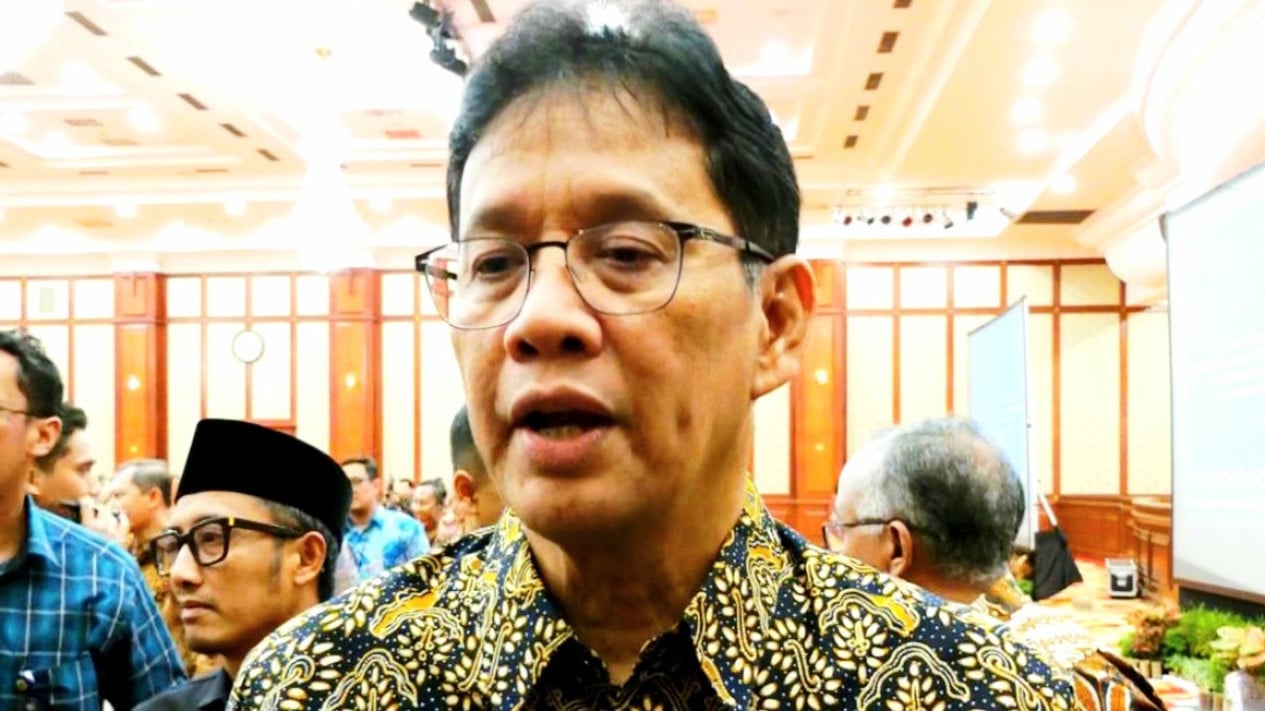
Finance Minister Purbaya Yudhi Sadewa stated that to safeguard national resilience from various threats, including energy crises, the government has established a task force for addressing business obstacles (debottlenecking) as one of the efforts in structural reform. This was conveyed by Purbaya during the IMF-World Bank Spring Meeting agenda from 13-17 April in Washington, DC, United States. “Amid the energy crisis triggered by the current war, the important lesson learned is that Indonesia’s current resilience is rooted not in emergency measures, but in structural reforms implemented well before the crisis,” said Purbaya in his statement on Monday, 20 April 2026. He stated that the conflict in the Middle East serves as a reminder that efficiency in processes and permitting is key to energy resilience. Therefore, the establishment of the Task Force for Accelerating Strategic Government Programmes (Satgas P2SP) will seek to accommodate complaints about obstacles faced by the business world, as one of the important reforms taken by Indonesia. In addition, Purbaya continued, Indonesia is also accelerating reforms by simplifying permitting and reducing barriers to energy imports. He added that for developing countries like Indonesia, the main concern regarding external imbalances lies in potential risks, including volatility in capital flows, inflationary pressures, and spillover effects from the global financial system. Although the war transmits shocks through energy prices, shipping costs, and currency volatility to Indonesia, Purbaya stated that Indonesia’s macroeconomic stability remains maintained compared to many other countries facing the same pressures. He also acknowledged that Indonesia recorded an outflow of foreign exchange amounting to US$1.8 billion and rupiah depreciation, but Indonesia’s fiscal deficit remains controlled below 3 percent and foreign reserves remain adequate. This is believed to be evidence that macroeconomic-financial credibility functions at the most critical times, including in strengthening energy resilience. On the other hand, Purbaya said, amid global price adjustments, the yield on 10-year government bonds has relatively increased, but remains within the government’s assumptions. This credibility allows Indonesia to absorb higher energy prices without sacrificing support for vulnerable groups or breaching Indonesia’s fiscal deficit limits.