
Misinformation Triggers Decline in Vaccination Coverage in Indonesia
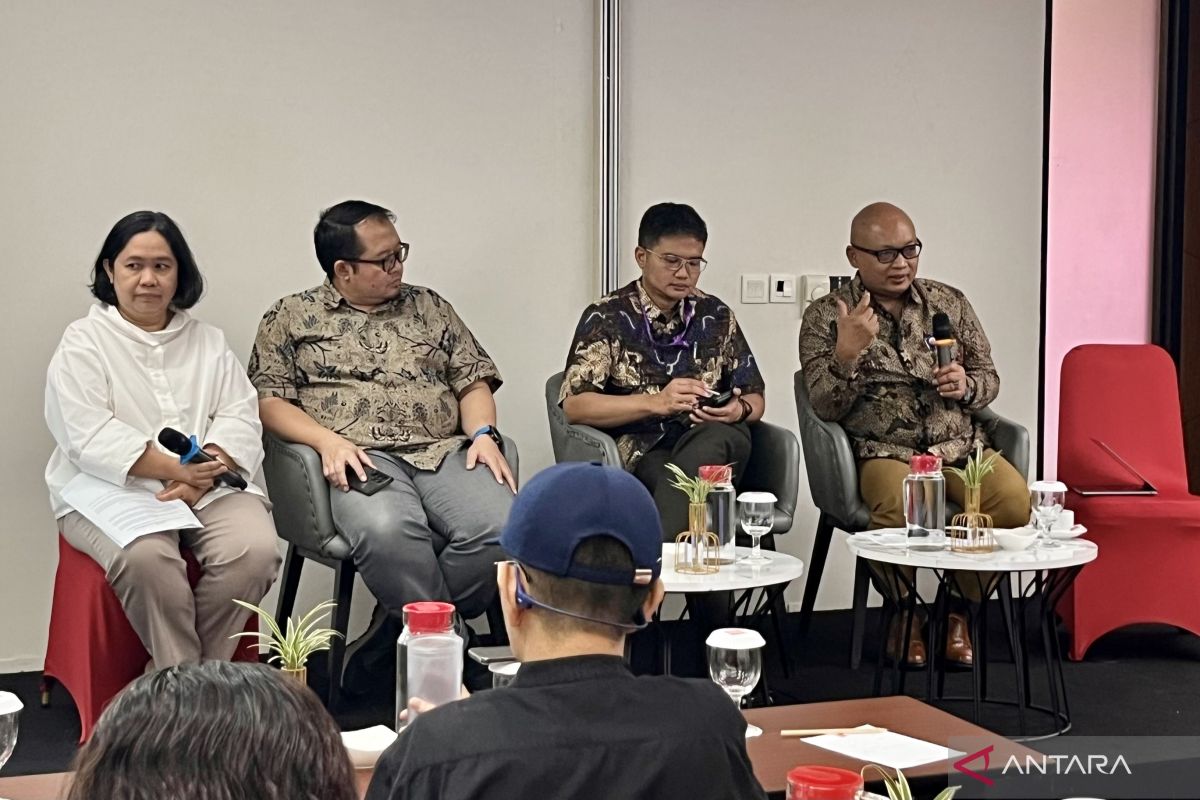
Jakarta (ANTARA) - The Chairman of the Adult Immunisation Task Force from the Indonesian Association of Internal Medicine Specialists (PAPDI), Dr. Sukamto Koesnoe, Sp.PD, K-A.I, FINASIM, stated that the proliferation of misinformation on social media is one of the main factors behind the decline in measles vaccination coverage in Indonesia. The internal medicine specialist consultant in allergy immunology said that anti-vaccine groups are not the dominant factor, but the widespread dissemination of inaccurate information has made the public hesitant about immunisation. “Anti-vaccine groups are not numerous, but because they go very viral, it ends up confusing and making the public doubtful,” Sukamto said during the PAPDI Forum and Press Conference themed “Measles in Adults: Warning Signs and Proper Management as well as the Role of Vaccination” in Jakarta on Tuesday. According to him, this doubt directly impacts the public’s decision to delay or not continue vaccination, ultimately lowering immunisation coverage. These figures are still far below the World Health Organization (WHO) target of 95 percent to achieve herd immunity. Sukamto explained that the decline in vaccination coverage opens opportunities for the virus to spread more widely because there are more individuals without immunity. “When vaccination coverage drops, the virus will more easily find people who are not immune, so transmission becomes faster,” he said. In addition to misinformation, he mentioned that disruptions to immunisation programmes during the COVID-19 pandemic and high public mobility have also accelerated case spread. In such conditions, the role of healthcare workers is key in providing proper education and restoring public trust in vaccination. He referred to a study by the Centers for Disease Control and Prevention (CDC) which shows that effective communication between doctors and patients can increase vaccination success by more than 70 percent. PAPDI also encourages strengthening public education and collaboration with various parties, including community leaders and religious figures, to counter circulating misinformation. “Accurate information must continue to be conveyed so that the public is not influenced by misleading narratives,” said Sukamto.