
Misconceptions in Managing Emergency Funds: Not for Seeking Profits, No Need to Overdo It
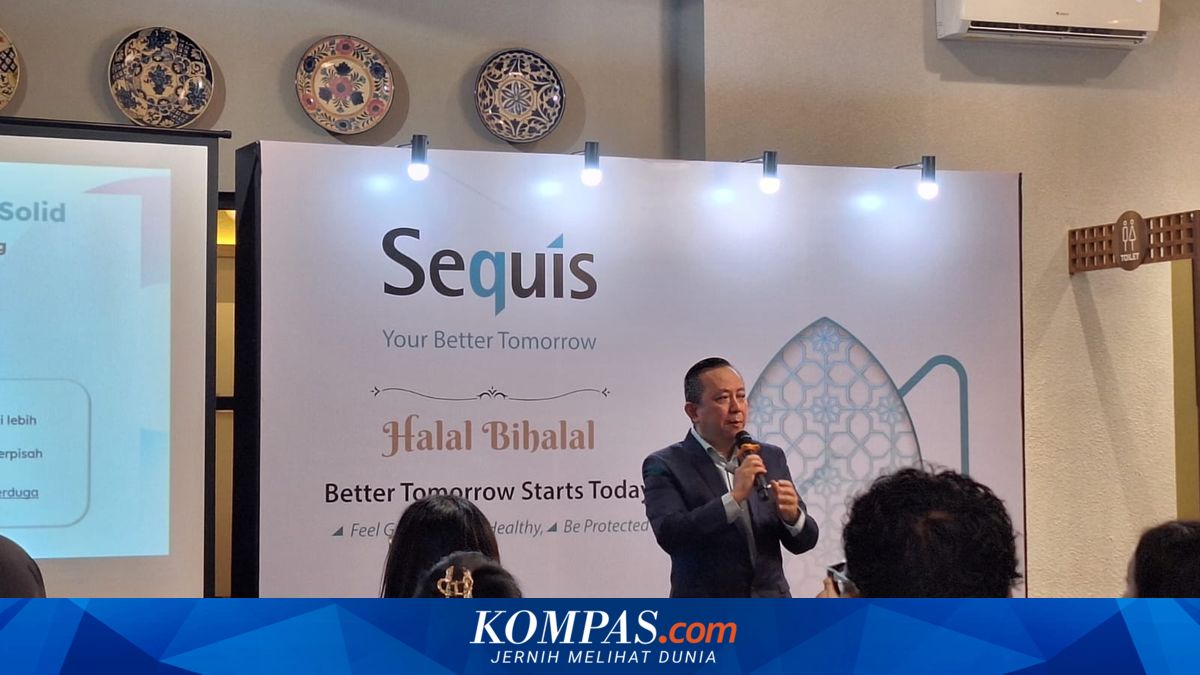
JAKARTA, KOMPAS.com - In building an emergency fund, the public needs to have the perception of not chasing profits. Moreover, having a large emergency fund or one exceeding the recommendations of financial planners does not necessarily reflect healthy financial management. Faculty Head of Sequis Quality Empowerment (STAE) at Sequis Life, Yan Ardhianto Handoyo, stated that the public should not seek profits in placing emergency funds. Instead, emergency funds must always be ready to be used at any time when needed. “Usually, they are placed either in regular savings, because they can be withdrawn using an ATM, or in deposits,” he said during the Sequis Life Halal Bihalal event Better Tomorrow Start Today, on Tuesday (31/3/2026). Yan emphasised that the placement of emergency funds does not need to consider fund development. This is because, if the main goal is fund development, then the management of that money falls into the realm of investment. Unlike emergency funds, investments can be placed in instruments that offer returns (yield) such as mutual funds, bonds, shares, gold, and property. “For emergency funds themselves, we do not see them as something to be developed, but the need is quick,” he added. A small note: for individuals who are not yet married, emergency funds can be allocated at 3-6 months of monthly living expenses. Whereas for a family, the emergency fund should be 6-12 times the monthly expenditure and kept in savings. “Emergency funds are also not about making them excessively large, say up to five years of living needs, no,” he said. Once the public has met the requirements for building an emergency fund and has extra money, investment placement can be considered.