
Misconception: Fossil Believed to be Earth's Oldest Animal Turns Out to Be Bacteria
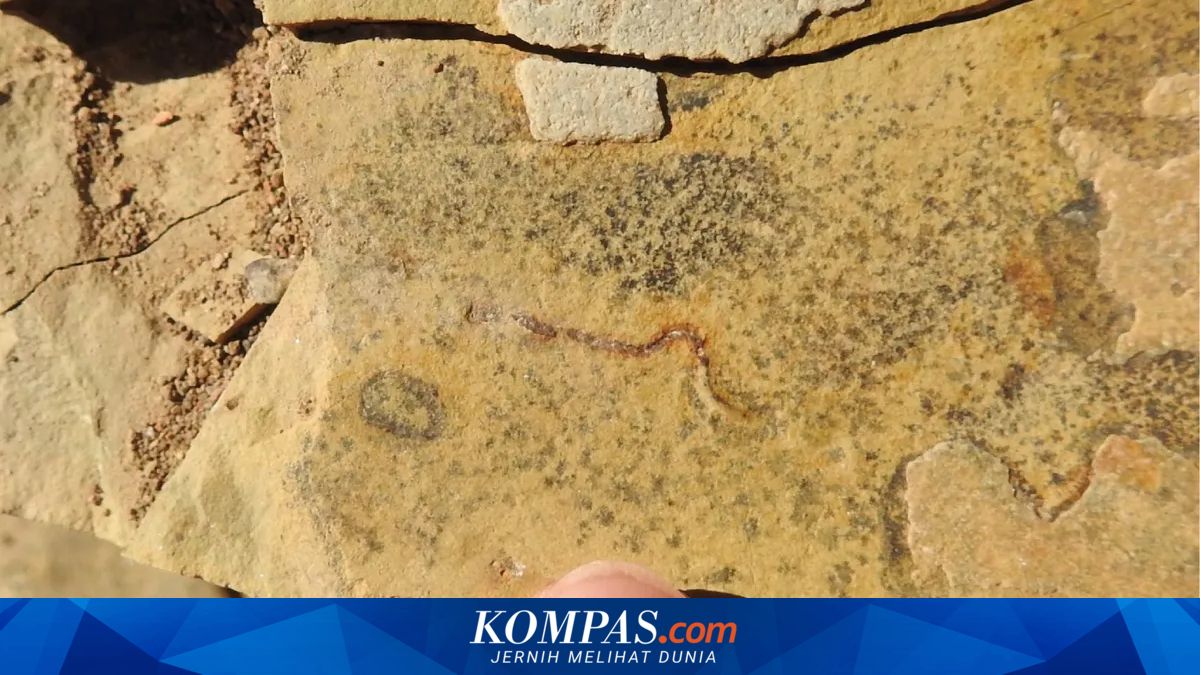
Around 540 million years ago, at the end of the Precambrian era known as the Ediacaran period, microscopic organisms lived in sediment at what is now the Brazil–Bolivia border. For almost a decade, scientists believed these lifeforms were ancient complex animals (meiofauna), before a new study showed they were merely colonies of bacteria and algae. These organisms had no brain, no stomach, and no skeleton. They were extremely small—so small that they would scarcely be visible to the naked eye if eyesight had evolved at that time.
If this finding had been accepted uncritically, scientists would have had to rewrite almost everything known about Earth’s fossil record. Yet a recent study published in Gondwana Research managed to solve the puzzle. Its conclusion: the 2017 claim was incorrect.
To laypeople, the Corumbá fossil found in Brazil did not look extraordinary. The fossil appears as a tunnel-like shape or a tangled arrangement of tiny filaments, with a maximum diameter of 600 micrometres; even a strand of human hair would struggle to fit inside it. But for the researchers who discovered it in 2017, this structure represented monumental evidence for meiofauna—microscopic invertebrate animals of the earliest Earth.
‘Our new fossils show that complex animals with muscle control existed about 550 million years ago, and they may have been overlooked previously because of their extremely small size,’ said Luke Parry, who at the time served as Associate Professor of Paleobiology at the University of Oxford, in a statement. ‘The fossils we describe were produced by animals sufficiently complex that we would call bilaterians. Most bilaterian animal fossils are younger and first appear in the Cambrian period,’ Parry explained.
The news was big. Meiofauna underpin modern ecosystems. They are the most diverse group of animals on Earth, comprising around 25 of the 35 animal phyla and numbering in the sextillions, including nematodes and copepods. The presence of meiofauna in ancient times functioned as a crucial indicator of ecosystem health, as they disturb sediment, increase porosity, and enrich oxygen in ancient soils, thereby creating environments amenable to the colonisation by larger animals.
Therefore, the discovery of traces of these organisms from the Ediacaran era was a highly significant achievement. However, the latest study challenges that assumption.