
Misbakhun Urges Fiscal Scenario to Address Middle East Turmoil
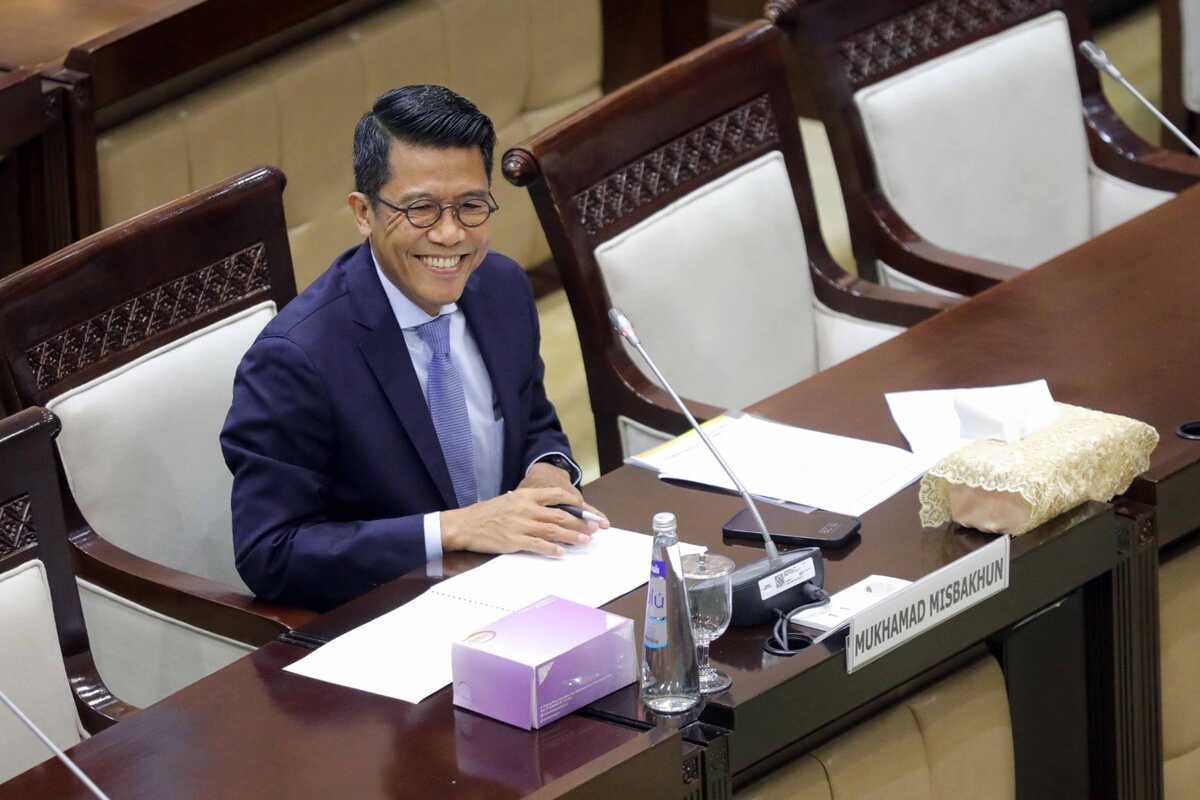
Amid escalating military attacks between the United States and Israel against Iran, which have triggered Iranian counterattacks, Mukhamad Misbakhun, Chairman of Commission XI of the Indonesian House of Representatives, has urged the government to promptly prepare concrete policy responses to mitigate potential pressures on the national economy, especially during the Ramadan and Eid al-Fitr period.
According to Misbakhun, the escalation of conflict in the Middle East, involving key nations within the global energy supply chain, risks triggering a surge in oil prices and financial market volatility. If not anticipated in a measured manner, this could weaken the rupiah, increase energy subsidy burdens in the state budget, and drive up the prices of goods and services domestically.
“The Ramadan period is always characterised by increased consumer spending. If, at the same time, global energy prices surge and exchange rates fluctuate, the pressure on domestic inflation will intensify. The government must act swiftly with a clear fiscal scenario and concrete stabilisation measures,” Misbakhun stated in a written statement in Jakarta on Monday (2 March).
He stressed that the Finance Ministry must promptly prepare a realistic emergency fiscal scenario, including the possibility of adjusting the government spending posture should world oil prices remain at elevated levels. Strengthening fiscal reserves and sharpening spending priorities, in his view, are important steps to maintain room in the state budget without compromising social protection programmes.
Additionally, Misbakhun emphasised that close coordination between the Finance Ministry and Bank Indonesia is crucial for maintaining exchange rate stability and financial market liquidity. He noted that global turbulence frequently triggers capital outflows and pressure on the rupiah, making it essential that a mix of fiscal and monetary policies be prepared within a single integrated response framework.
“Rupiah stability and adequate banking system liquidity must not be disrupted. The business world requires certainty, whilst the public needs reassurance. Therefore, fiscal and monetary policies must work in harmony to calm market turbulence,” he added.
Furthermore, he has urged the government to ensure energy supply availability and smooth domestic logistics distribution remain uninterrupted. Should world oil prices experience a significant surge, the government needs to prepare buffer measures to prevent domestic fuel prices from immediately causing cascading effects on food and other essential commodity prices.
“What we must protect is the purchasing power of the people. We cannot allow them to face layered price increases while performing Ramadan worship and preparing for Eid al-Fitr,” Misbakhun said.
Misbakhun stated that Commission XI of the DPR will intensively monitor the government’s policy response to developments in the conflict, including its impact on energy subsidies, inflation, exchange rates, and the stability of the national financial system.