
Misbakhun Responds to JK's Statement on Subsidised Fuel, Emphasises Importance of Latest Data
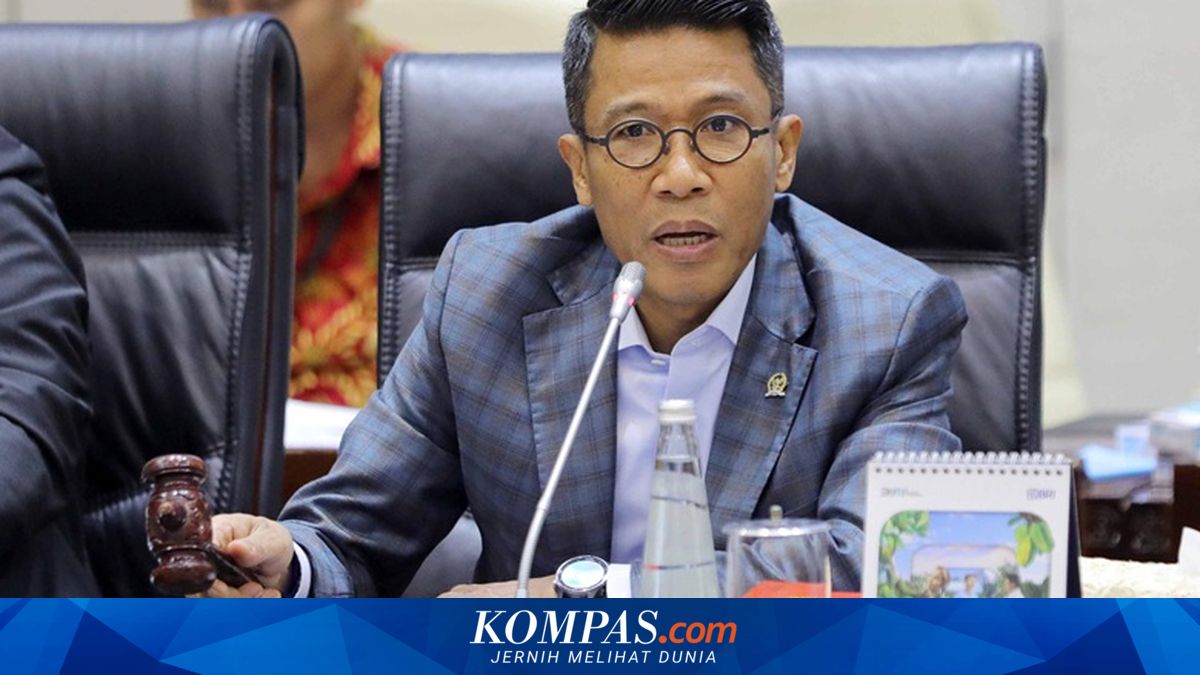
Chairman of the House of Representatives’ Commission XI, Mukhamad Misbakhun, responded to the statement by the 10th and 12th Vice President of Indonesia, Jusuf Kalla (JK), regarding the discourse on increasing the price of subsidised fuel oil (BBM) by emphasising the importance of using the latest data in assessing the national fiscal condition.
He assessed that the data presented needs to be viewed in the latest context, given that fiscal dynamics and the state revenue and expenditure budget (APBN) continue to evolve.
According to Misbakhun, policies related to subsidised BBM have undergone careful calculations by the government, particularly the Ministry of Finance (Kemenkeu), taking into account various factors, including fiscal capacity and protection of public purchasing power.
“The decision not to raise the price of subsidised BBM is the result of mature, cautious calculations that consider fiscal carrying capacity, while also protecting the public from inflationary pressures,” Misbakhun said in a press release received by Kompas.com on Thursday (9/4/2026).
He explained that during a meeting with Commission XI of the House of Representatives, Finance Minister Purbaya Yudhi Sadewa conveyed that the price of subsidised BBM is projected to remain stable until the end of 2026, even assuming a global oil price of 100 US dollars per barrel.
“Currently, the food stock managed by Bulog is recorded at around 4.4 million tonnes, the highest in history, stored in various warehouses across Indonesia,” he said.
Misbakhun, who also serves as Chairman of the National Leadership Council of the Indonesian Independent Workers’ Central Organisation (Depinas Soksi), reminded of the importance of caution in delivering analyses in the public sphere to avoid creating inaccurate perceptions among the public.
He assessed that, as a national figure, the delivery of views should prioritise accurate data and consider its impact on social and economic stability.
“In a global situation full of uncertainties, narratives conveyed to the public need to be calming and strengthen optimism, so that the public remains calm and is not affected by issues that could potentially cause anxiety,” Misbakhun said.
According to Misbakhun, synergy between the government and national figures is key to maintaining conduciveness, so that the public can carry out activities safely and well without being disrupted by excessive worries regarding price increase issues or economic conditions.