
MinyaKita Scarce in Markets, Bulog Requests Additional Quota from Ministry of Trade
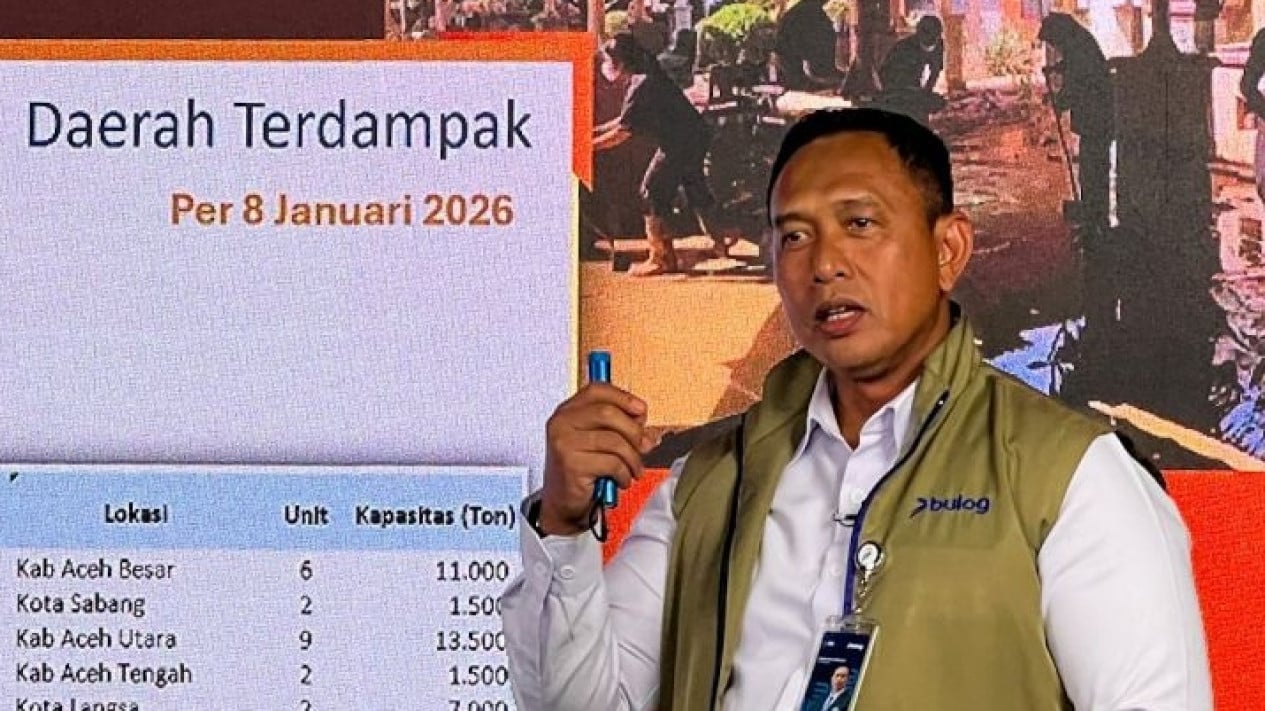
The CEO of Perum Bulog, Ahmad Rizal Ramdhani, revealed that shortages of MinyaKita are currently occurring in several markets. Consequently, Bulog is requesting an additional quota for MinyaKita from the Ministry of Trade (Kemendag). Rizal stated that this step was taken after reporting the availability of MinyaKita to the Head of the National Food Agency (Bapanas) and Minister of Agriculture Andi Amran Sulaiman as part of national food control coordination. “Regarding the empty MinyaKita stocks, we reported it to the Minister of Agriculture yesterday to address the shortage. To be honest, we have already submitted a request to the Ministry of Trade for an additional quota,” said Rizal when met after the Meeting to Accelerate the Realisation of Funding for Paddy Absorption Equivalent to Rice at Bulog’s Jakarta Office, quoted on Tuesday, 14 April 2026. He explained that the current MinyaKita distribution quota remains limited, insufficient to fully meet market needs and government programmes simultaneously. The prevailing distribution scheme allocates 35 per cent of the Domestic Market Obligation (DMO) to three state-owned food enterprises, with 70 per cent to Bulog, 20 per cent to ID Food, and 10 per cent to Agrinas Palma Nusantara. Despite receiving the largest share, Rizal noted that this allocation requires Bulog to carefully strategise distribution to ensure both market and food aid needs are met. On the other hand, Bulog is also tasked with distributing food aid to more than 33 million beneficiary families (KPM), with data sourced from the Ministry of Social Affairs. This aid includes rice and MinyaKita branded cooking oil. This situation forces Bulog to balance MinyaKita allocations between food aid and market distribution to avoid shortages in either sector. Furthermore, he acknowledged that prior distribution efforts were focused on supporting needs during Ramadan and Eid al-Fitr 1447 Hijriah/2026 CE. Thanks to this intervention, food commodity prices during that major religious holiday remained relatively stable and controlled. After that period, Bulog shifted focus to ensuring smooth food aid distribution while maintaining MinyaKita supplies in the market. However, the DMO quota limitation poses a significant challenge, as it must be adjusted to meet continuously increasing needs in various regions.