
Ministry Responds to 'Childfree' Trend with 'Tamasya' Programme
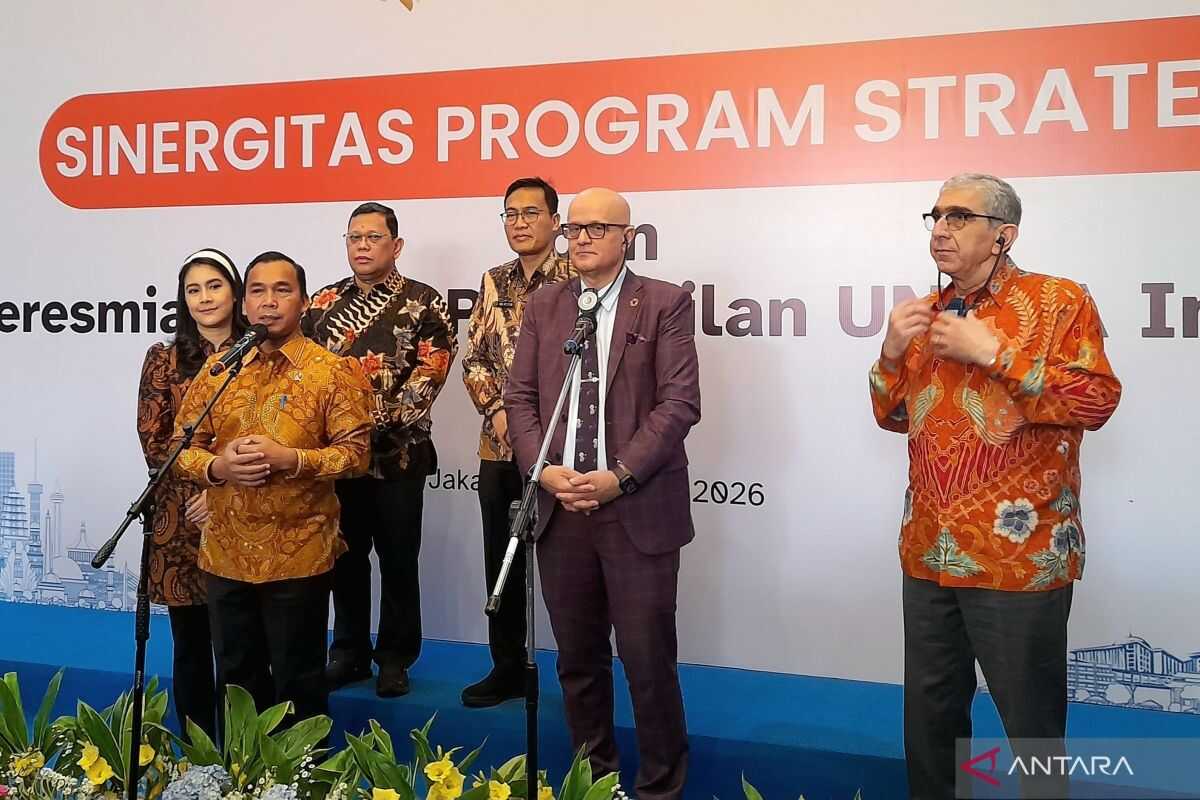
Jakarta (ANTARA) - The Ministry of Population and Family Planning (Kemendukbangga)/BKKBN is responding to the issue of a growing number of young people choosing not to have children, or ‘childfree’, with the ‘Tamasya’ programme.
Minister of Population and Family Planning (Mendukbangga)/Head of BKKBN, Wihaji, stated that although the total fertility rate in Indonesia is currently at an ideal level of 2.1, the ‘childfree’ issue needs attention to ensure that the population balance in Indonesia remains stable and to prevent a fertility crisis like that experienced by developed countries.
“We are talking about the fear that some of our citizens have about having children, which has led to the emergence of what is called ‘childfree’. Of course, as a ministry, we must have solutions to ensure that those who are anxious are not anxious. One of these solutions is programmes related to ‘Tamasya’, or the Indonesian Exemplary Father Movement (GATI), as proof that the state is present,” he said in Jakarta on Wednesday.
According to data from the Directorate of Early Childhood and Child Family Resilience at Kemendukbangga as of February 20, 2026, there are already 3,730 ‘Tamasya’ centres serving families throughout Indonesia.
To create a higher quality generation of Indonesians through family development, Wihaji emphasized the importance of population planning, not just population control.
“The priorities in our population development are reproductive health. We will then prioritize areas where the TFR (total fertility rate) is still high to provide contraception,” he explained.
In addition, he said that the preparation of the Population Development Roadmap (PJPK) is also one of the important things to create a higher quality generation of Indonesians, not just by reducing the quantity.
Through education about reproductive health, he said, young people can be more aware in making choices about having children. Furthermore, certainty about the availability of job opportunities, social and labour security, and adequate maternal and child health services are also important factors in addressing the ‘childfree’ issue.
Wihaji had previously stated that there are three issues that trigger young people to choose ‘childfree’, namely psychological, economic, and physical/health concerns.
“Of course, I have to address these three concerns. Through ‘Tamasya’, for those who are afraid of having children, or how to take care of children without having to stop working, I will provide childcare facilities. For those who may not be able to care for children, we will provide childcare centres,” he said.