
Ministry of Women Empowerment and Child Protection Recommends Traditional Games for Minors Following Social Media Restrictions
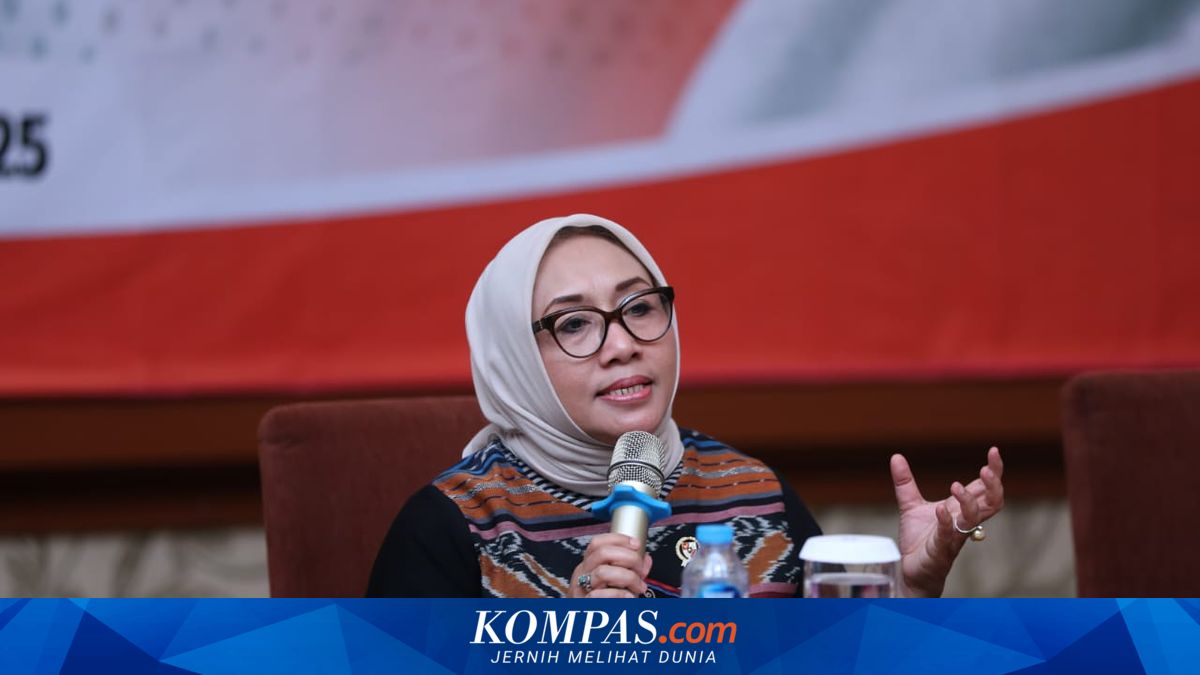
JAKARTA — The Ministry of Women Empowerment and Child Protection (KemenPPPA) has recommended that children under the age of majority engage in traditional games.
This follows the issuance of Minister of Communication and Digital Regulation Number 9 of 2026, which stipulates the deactivation of social media accounts belonging to children under 16 years of age, effective from 28 March 2026.
The policy is a derivative regulation of Government Regulation Number 17 of 2025 concerning the Governance of Electronic Systems for Child Protection (PP TUNAS), which was signed by President Prabowo Subianto on 28 March 2025.
The ministry considers traditional games to be suitable for children because they embody a profound philosophy in building the character of Indonesian children.
Traditional games foster mutual respect amongst players, as they are predominantly played collectively, involving anywhere from two to ten people or more.
“Children never see where someone comes from; they will still play together regardless of religion or cultural background,” a ministry official stated.
The official further explained that the regulation was created to protect children, who represent the nation’s future generation, from cyber crime and excessive screen time.
To this end, the KemenPPPA is offering a solution through the “Indonesia’s Shared Space” (Ruang Bersama Indonesia) programme, a village-based initiative designed to strengthen family parenting practices.
Through this programme, the ministry mobilises village-based women to work in collaboration with women’s organisations (PKK) and community institutions to strengthen parenting practices.
“This could potentially serve as one solution to reduce gadget usage amongst children,” the official stated.
The regulations contained within the PP TUNAS derivative rule provide technical guidance for digital platform operators in fulfilling child protection obligations when providing internet services.
Minister of Communication and Digital Meutya Hafid explained that the government aims to ensure children are not exposed to various online risks.
“Our children face increasingly tangible threats, such as exposure to pornography, cyberbullying, and online fraud. The government is stepping in so that parents no longer have to battle alone against the power of algorithms,” Hafid stated in an official statement.