
Ministry of Transportation urges port operators to enhance container services
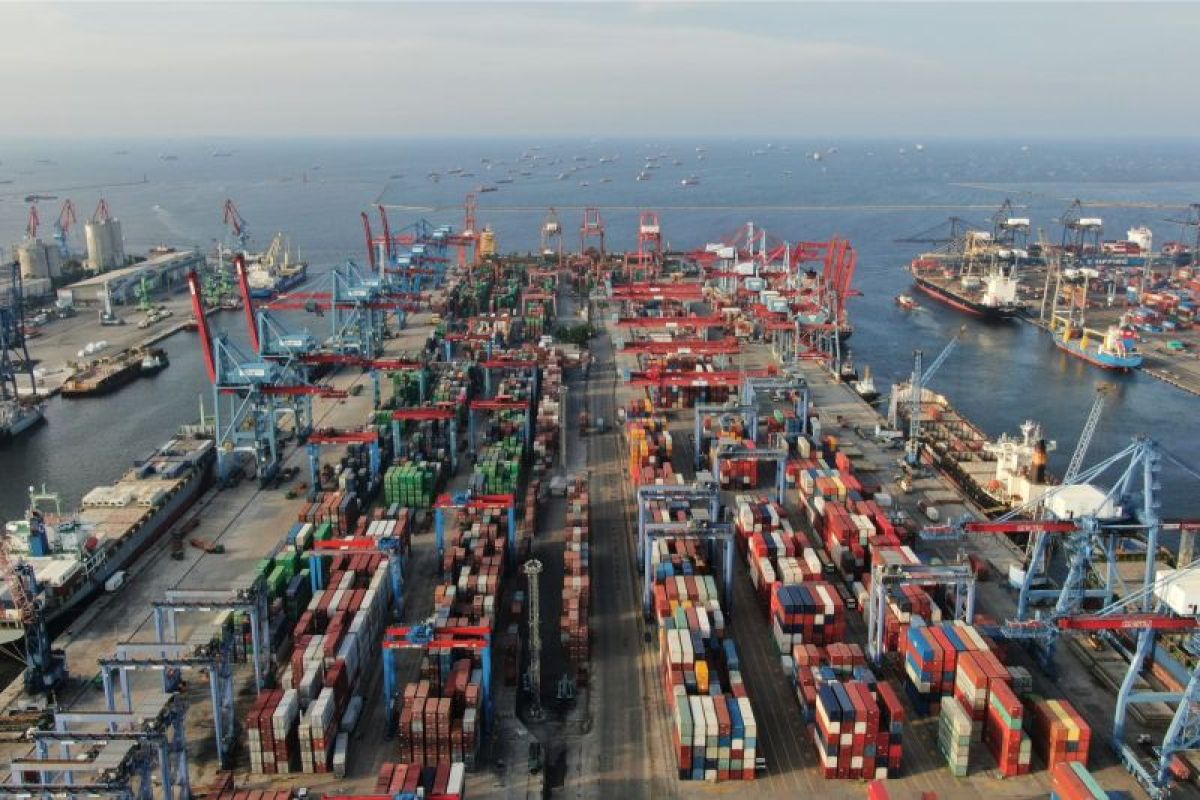
Surabaya, East Java - Director General of Maritime Transport at the Ministry of Transportation, Muhammad Masyhud, has urged port operators to enhance container handling capacity and services. “One measure taken is the issuance of technical recommendations to designate container terminals from previously multipurpose facilities,” he said in a statement in Surabaya on Friday. Masyhud stated the government has issued technical recommendations to designate container terminals from facilities previously classified as multipurpose. These terminals are then officially designated as container terminals by the Port Master’s Office and Port Authority (KSOP), the port operator, in accordance with Ministry of Transportation Regulation No. PM 50 of 2021 on Maritime Port Operations. Between 2025 and April 2026, 12 terminal locations have been designated as container terminals, including Banten Port and Semarang’s Tanjung Emas Port. The government has also established operational service performance standards, including container handling efficiency and equipment performance. These standards are periodically reviewed to ensure service quality remains consistent. In response to growing container traffic, the government is strengthening national port infrastructure development and modernisation. From 2025 to 2026, the government and state-owned port enterprises, using the national budget (APBN), are boosting existing port capacities through container terminal expansions, deepening shipping channels, increasing berthing and storage capacity, modernising loading equipment, and accelerating digitalisation of port services. Between 2025 and 2026, government-owned port facilities have been constructed or rehabilitated at 74 locations across Indonesia. These steps form part of efforts to strengthen the hub-and-spoke port network, develop collection and feeder ports in eastern Indonesia, integrate ports with industrial zones and downstream processing, and enhance national logistics connectivity. The infrastructure upgrades also aim to support intra-Asian trade growth and the national economic transformation agenda. With improved capacity and service quality, Indonesian ports are expected to keep pace with rising domestic and international container traffic projected to grow in the coming years. Pelindo CEO Achmad Muchtasyar stated that container traffic is currently on an upward trend, making port service enhancements increasingly critical. Terminal productivity, service digitalisation, equipment readiness, facility reliability, and national supply chain integration must be continuously improved to ensure smooth, efficient, and competitive cargo flow. Reliable logistics connectivity is crucial for supporting national economic growth, international trade, domestic distribution, investment, industrial downstreaming, and equitable economic activity across Indonesia’s regions.