
Ministry of Transportation Reveals Strategy to Resolve Queues at Gilimanuk Crossing
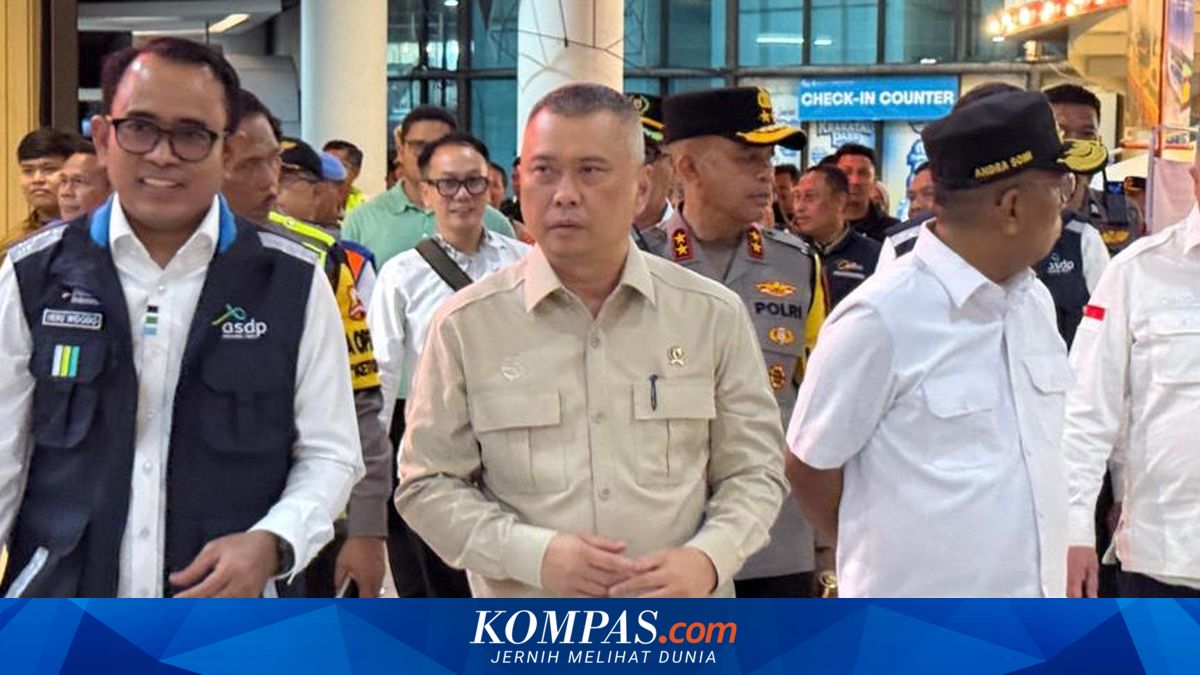
JAKARTA — The Ministry of Transportation (Kemenhub) has acted quickly to handle the long vehicle queues occurring on the Ketapang–Gilimanuk crossing route during the 2026 Eid al-Fitr homecoming flow. Queues that began on Saturday (14/3/2026) peaked at around 37 kilometres, making the area one of the most critical points in this year’s homecoming traffic. Various efforts have been undertaken since the beginning by the Port Authority and Harbour Master’s Office (KSOP), PT ASDP Indonesia Ferry, and the Indonesian National Police to reduce the congestion. Entering Tuesday (17/3/2026), Transport Minister Dudy Purwagandhi directly led the handling efforts in the field. Amid vehicle queues still ranging from 20 to 25 kilometres in Gilimanuk, he chose to be present at the critical point to ensure acceleration measures were implemented. “We understand the discomfort felt by the public due to these long queues. Therefore, we are going directly to the field to ensure all acceleration steps are carried out maximally and in a coordinated manner,” he stated. Amid the high-pressure situation, he received spontaneous responses from several service users. However, considering the urgency of handling in Gilimanuk, he chose to immediately continue the journey to speed up the queue dispersal process. This step was based on the consideration that smoothness on the Gilimanuk side is the main key to reducing congestion in Ketapang. Upon arriving in Gilimanuk on Tuesday afternoon, the Transport Minister immediately led cross-agency coordination in the field. All parties, from port operators, PT ASDP Indonesia Ferry, police apparatus, to technical officers, were consolidated to work in an integrated manner in one rhythm of service acceleration. Several strategic measures were then implemented, including optimisation of buffer zones to accommodate vehicles, acceleration of the arrival-unloading-departure (TBB) process, operation of large-capacity ships such as KMP Prima Nusantara, and traffic engineering on routes to the port together with the police.