
Ministry of Religious Affairs: Politicisation of Religion Risks Damaging Inter-faith Harmony
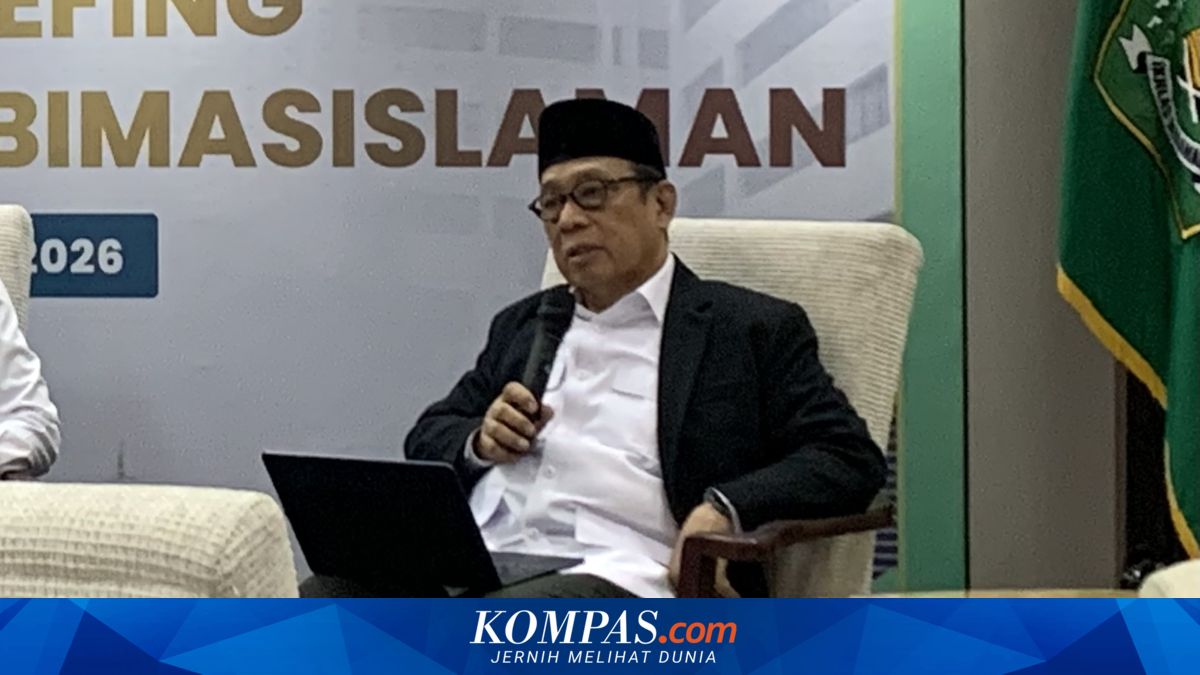
JAKARTA — The Special Staff of the Minister of Religious Affairs for Communications and Public Policy, Ismail Cawidu, has expressed concern that the politicisation of religion poses a significant threat to inter-faith harmony among Indonesia’s diverse religious communities.
Cawidu noted that the Directorate General of Islamic Community Guidance (Ditjen Bimas Islam) at the Ministry of Religious Affairs continues to face challenges from groups that exploit religion for political or ideological extremism. He highlighted that such politicisation is particularly pronounced during electoral periods.
“Some groups use religion for political purposes or extreme ideologies. People often refer to elections as a time of religious politicisation. This genuinely risks damaging harmony,” Cawidu stated during a press conference on current issues at the ministry’s central Jakarta office on Monday, 9 March 2026.
He emphasised that religion should serve as a source of peace and unity rather than a tool for political interests. “Religious practice should be genuinely aimed at maintaining harmony and promoting the collective welfare of communities. It should not be politicised for political advantage,” he added.
Cawidu stressed that maintaining inter-faith harmony represents an invaluable asset for the nation. “If one were to calculate the economic value of Indonesia’s current religious harmony, the figure would be extraordinary,” he remarked.
The ministry has launched several initiatives to counter these challenges, including programmes on religious moderation, inter-group dialogue, and the promotion of rahmatan lil alamin (Islam as a mercy to all). Cawidu described these as ongoing efforts requiring sustained attention and resolution.
Beyond politicisation, the Directorate General of Islamic Community Guidance has identified several other pressing issues requiring intervention. These include limited digital religious literacy, optimisation of mosques as community empowerment centres, and inadequate management of religious social funds.
Cawidu highlighted that young people increasingly obtain religious knowledge through social media platforms such as YouTube and TikTok. Whilst these platforms democratise access to religious information, they also create vulnerabilities to exposure to radical propaganda.
“How should we respond? The Ministry of Religious Affairs believes we need to establish digital religious literacy programmes, return to foundational religious education, and collaborate with digital content creators and develop artificial intelligence-based preaching platforms,” Cawidu explained.