
Ministry of Religious Affairs launches Halal Goes to Campus to strengthen halal literacy among youth
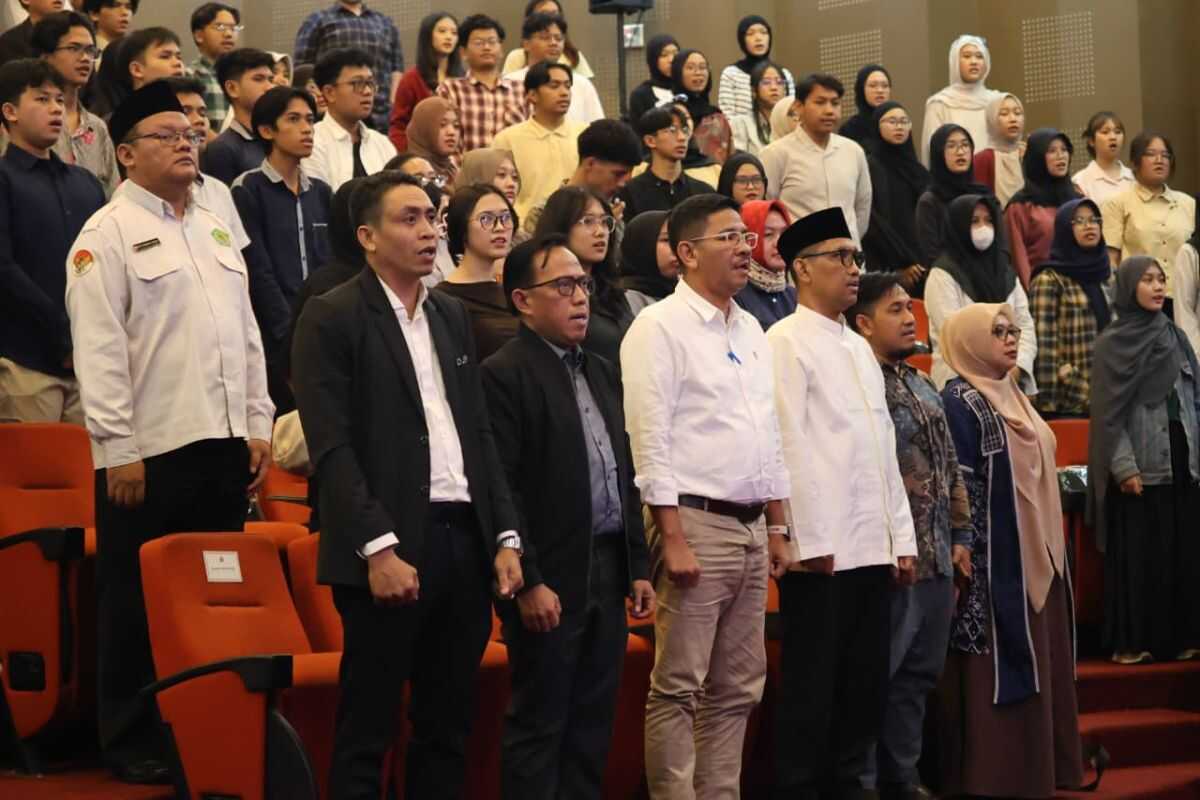
Jakarta (ANTARA) - The Halal Product Assurance Directorate (JPH) of the Ministry of Religious Affairs launched the Halal Goes to Campus programme titled “Ngobral (Ngobrolin Halal)” aimed at strengthening halal literacy for students while building collaboration between government and higher education. The programme’s first campus is Padjadjaran University, Jatinangor campus. Director General for Islam Community Guidance Abu Rokhmad said Indonesians often feel that all products on the market are definitely halal, whereas halal certainty requires a clear system and regulations. “We want to invite the younger generation to have an understanding of halal,” Abu Rokhmad said in a statement in Jakarta on Wednesday. He cited Surah Al-Baqarah verse 168 which calls on all people to consume and use halal and tayyib products. “The verse begins with ‘yaa ayyuhannas’, which means addressed to all people. Halal is not only a recommendation for Muslims, but a universal principle of goodness and usefulness,” he said. According to Abu Rokhmad, the concept of halal and tayib covers food, drinks, medicines, cosmetics, and other products. Indonesia already has a legal basis through Law Number 33 of 2014 on Halal Product Assurance which regulates the halal certification and labeling system as a guarantee for consumers. He noted that halal has now developed into a global lifestyle. Several Asian countries, such as China and South Korea, have halal hubs, and many foreign companies apply for halal certification in Indonesia. “Many large Chinese companies also request halal certification in Indonesia. This is an opportunity, especially for students to develop skills and networks in the halal industry,” he said. Abu Rokhmad urged universities to open halal industry study programmes that integrate disciplines such as chemistry, physics, and pharmacology. He said halal pharmaceutical research could become a national pride and spur the birth of halal pharmaceutical products. Halal Product Assurance Director Fuad Nasar said the Halal Goes to Campus event inaugural at Padjadjaran University is held as an educational and dissemination platform on halal consumption awareness and lifestyle for the younger generation. “Halal has become a popular issue in our country, especially since the halal ecosystem was introduced to the public. Halal product certification needs to be increased in volume, but it cannot stop there. Halal research needs to be nurtured,” he said. The Halal Goes to Campus programme is hoped to be a sustainable movement that not only strengthens halal literacy from a religious perspective but also fosters the emergence of an inclusive, modern, and research-based halal industry ecosystem. Deputy Rector for Resources and Governance at Unpad Widya Setiabudi Sumadinata said halal is not an exclusive concept for Muslims, but part of the human nature to live healthily and prosper. “Halal is not something special only for Muslims. Halal is human nature. If you want to live prosperously and healthily in physical, spiritual, and social aspects, then the food consumed must be halal,” she said.