
Ministry of Religious Affairs Begins Implementing Eco-theology-Based Government Procurement
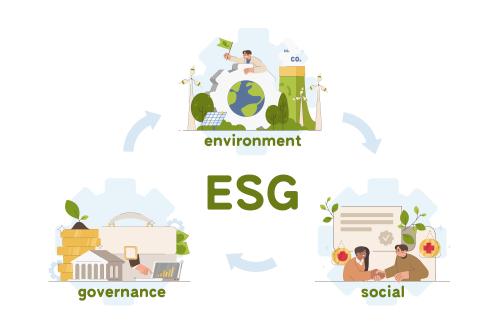
The Ministry of Religious Affairs (Kemenag) is promoting sustainable government goods and services procurement through an eco-theology approach. This initiative is considered important to ensure that the procurement process is not merely efficiency-oriented, but also delivers positive impacts on the environment, economy, and society.
The ministry reaffirmed this commitment at a webinar titled “Comprehensive, Continuous and Value-Driven Sustainable Procurement for the Future,” held online on 10 March 2026. The event was attended by Budget Authorising Officers (KPA), Commitment-Making Officials (PPK), and functional officials managing goods and services procurement within the Ministry of Religious Affairs.
Wildan Ramadhian, Secretary of the Goods/Services Procurement Work Unit (UKPBJ) at the Ministry of Religious Affairs, stated that government goods and services procurement plays a strategic role in supporting development and improving public service quality. He noted that the procurement paradigm has evolved beyond merely emphasising efficiency and regulatory compliance. The procurement process must now incorporate sustainability principles that deliver balanced economic, social, and environmental benefits.
“Goods and services procurement is no longer solely about efficiency; it must also prioritise sustainability that delivers positive impacts for society and the environment,” Wildan said in a press statement on Saturday, 14 April 2026.
The webinar was opened by Aceng Abdul Azis, Head of the General Affairs Bureau at the Ministry of Religious Affairs. He emphasised the importance of professionalism, integrity, and commitment among procurement officials in carrying out their duties in accordance with applicable laws and regulations.
Aceng also highlighted the ministry’s procurement policy direction, which is beginning to integrate the eco-theology approach. This approach emphasises the importance of preserving nature as part of religious values whilst delivering benefits to the broader society.
“Goods and services procurement at the Ministry of Religious Affairs is directed towards an eco-theology approach, which seeks to preserve nature whilst delivering benefits to society,” Aceng said.
Two resource speakers were presented during the webinar to deepen participants’ understanding of sustainable procurement policies and practices. Dwi Rahayu Eka Setyowati presented sustainable procurement policies and their implementation, whilst Mustafa explained the concept of Sustainable Public Procurement (SPP) and its application in government goods and services procurement.
Through this initiative, the Ministry of Religious Affairs hopes to enhance human resource competency in goods and services procurement. Additionally, the implementation of efficient and sustainable procurement is expected to encourage the use of domestically produced goods and strengthen the empowerment of micro, small and medium-sized enterprises (UMKM).