
Ministry of Religion Stresses Religious Practice Must Deliver Social Impact
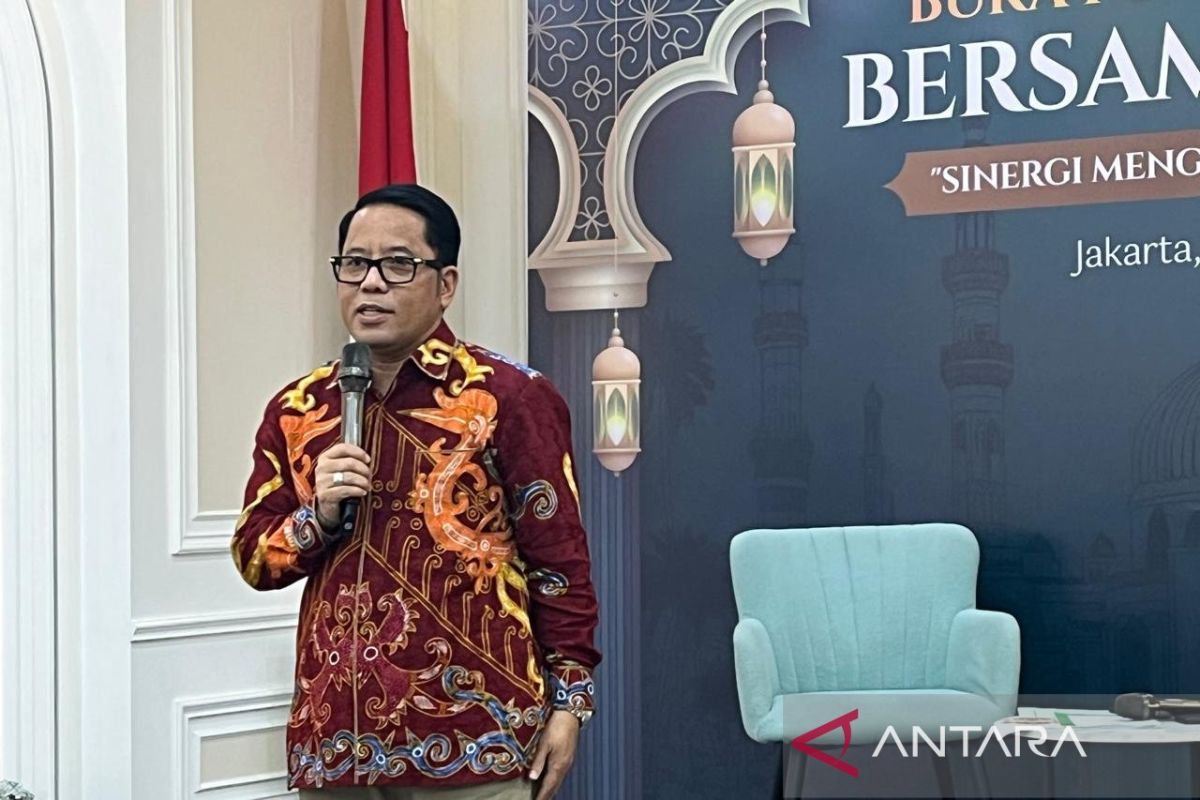
Jakarta — Indonesia’s Ministry of Religion has emphasised the need for a transformation in how religion is practised, ensuring it is not merely understood in ritualistic terms but also delivers concrete benefits to the social and economic lives of communities.
Kamaruddin Amin, Secretary General of the Ministry of Religion, stated that the ministry currently wishes to promote a more productive and impactful orientation towards religious practice that benefits the broader public.
“The Ministry of Religion currently seeks to transform how religion is practised to be more productive and more impactful. This means that religious practice is not merely concerned with matters of faith, morality, or Islamic law alone,” Kamaruddin said in Jakarta on Wednesday.
He observed that religion has often been narrowed down to eschatological matters such as paradise, hell, angels, and the afterlife. However, he argued, religion possesses far broader dimensions in human life.
“Religion is frequently reduced to merely matters of paradise, hell, angels, or eschatological concerns. Yet religion must not be reduced to only these things,” he said.
Kamaruddin stressed that religious practice ought to deliver tangible benefits to society. In his view, the practice of religion must be capable of providing benefits across various aspects of life.
He stated that religious practice must be able to empower communities socially, empower them economically, and enlighten them spiritually.
“In other words, religion must be felt to be beneficial in the lives of the people,” he said.
However, he emphasised, this undertaking is not intended to alter religious teachings but rather to encourage a shift in orientation within religious practice to make it more relevant to societal needs.
“We are not changing religion. What we are promoting is a change in orientation towards religious practice so that religious observance truly delivers impact in daily life, in social life, and in the life of society broadly,” he said.
According to him, the quality of religious practice among the public can be measured by the extent to which religious values are able to deliver welfare in communal life.
“If we wish our religious practice to be of higher quality, then it must deliver concrete impact in life,” he said.