
Ministry of Public Works Accelerates Mud Cleanup in Aceh, Targets Restoration of Residents' Settlement Areas
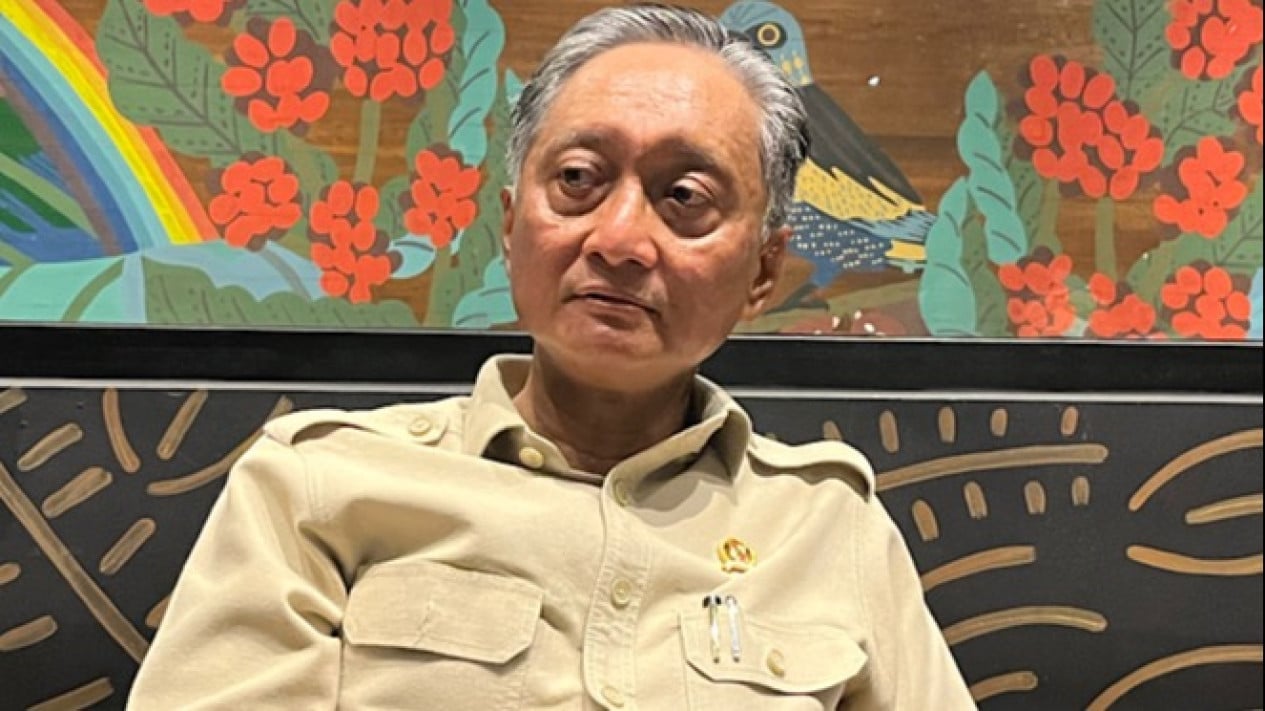
Efforts to accelerate the recovery of disaster-affected areas continue to be a priority for the government, particularly in several regions of Aceh. One key focus is addressing the mud that has inundated residential areas. This mud problem is seen as hindering daily activities and the economic recovery process for the community. In response, the Ministry of Public Works (PU) is preparing measures to expedite the cleanup by directly involving the local population through a labour-intensive scheme. This was stated by Minister of Public Works Dody Hanggodo. He emphasised that handling the mud in various parts of Aceh is one of the ministry’s main focuses moving forward. He noted that the mud issue represents a primary challenge that must be addressed urgently, especially in Aceh Tamiang and Aceh Barat Daya. “The difficulty in Aceh is the mud. Specifically in Tamiang and South Aceh,” said Dody when met by journalists at the Rest Area KM 379 Batang, Semarang, Central Java, on Saturday, 28 March 2026. To speed up the cleanup process, the Ministry of Public Works is relying on a labour-intensive model that involves the local community. This scheme is considered not only effective in accelerating the response but also in providing direct economic benefits to the affected residents. “So, our focus moving forward is the cleanup of mud in residential areas using the labour-intensive scheme,” he said. He explained that the programme has actually been underway since the beginning of the year, although it has not yet been implemented on a massive scale across all affected areas. “It has actually already started, but not too massively. It began in January,” he stated. In its implementation, the community is directly involved in removing mud from their homes to designated collection points. Subsequently, the mud is transported using government-owned heavy equipment. “So, we encourage the community to remove the mud from their homes to a certain point, then we pull it with a dozer or load it onto trucks. Those who work, we measure per cubic metre. If they can reach the minimum cubic capacity we require, we pay them,” Dody explained. Nevertheless, the implementation of this programme is not without challenges. One of them is the limited availability of land for constructing temporary housing (huntara) for the affected residents.