
Ministry of Manpower and Pertamina explore HSE and petrol station operator training partnership
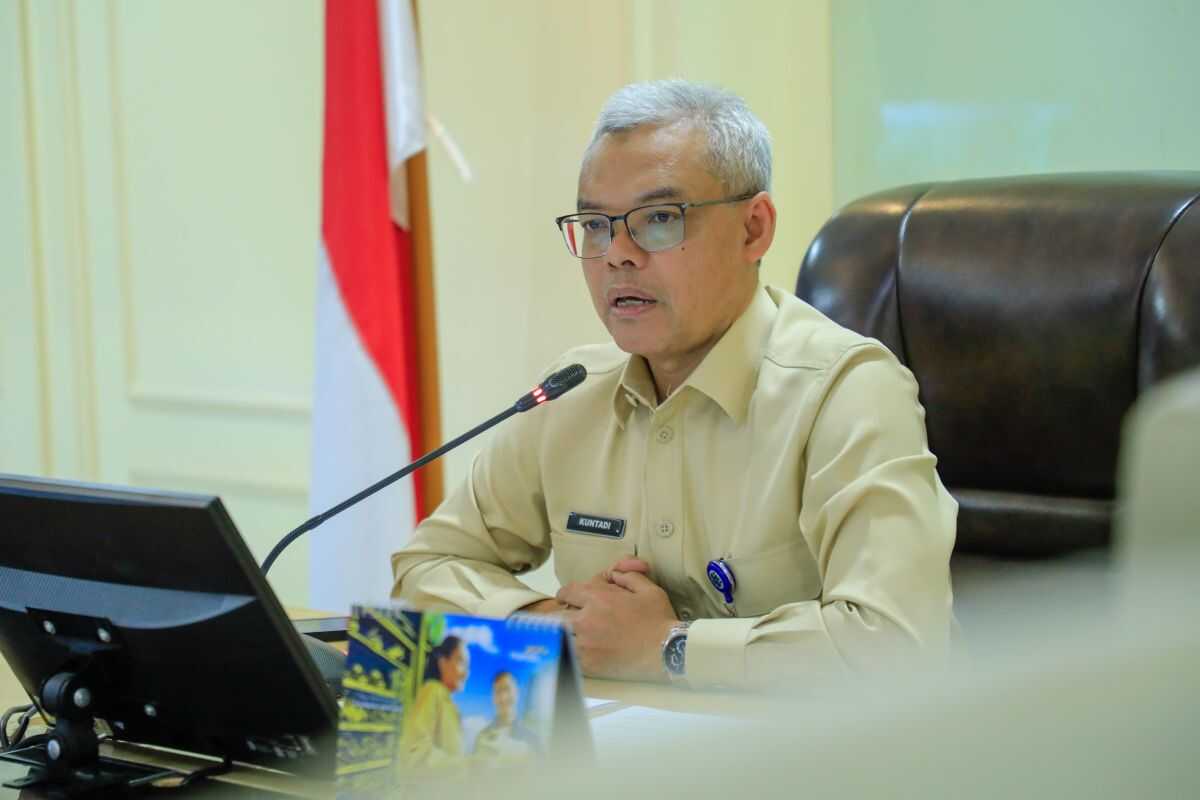
Jakarta – The Ministry of Manpower (Kemnaker) and Pertamina Corporate University (PCU) are exploring collaboration on Health, Safety & Environment (HSE) training and training for petrol station operators at Petrol Filling Stations (SPBU).
Kemnaker’s Secretary-General Cris Kuntadi stated in Jakarta on Monday that PCU discussed the potential for cooperation in utilising the facilities of the Large Training Centres/Vocational Training and Productivity Centres (BBPVP/BPVP) as training venues to strengthen the competency of human resources in the energy sector to be more standardised, safe and job-ready.
“What we safeguard is not merely competency on paper, but safety and service quality in the field. If training is made relevant, measurable, and linked to industry needs, the impact is tangible: workers are better protected and services to the public are more professional,” said Cris.
Furthermore, Cris stated that this meeting is part of efforts to strengthen the link and match between vocational training and labour market demands, particularly in the energy sector, which requires consistent safety and service standards.
In the proposed cooperation, two main collaboration areas were discussed. First is the utilisation of BBPVP/BPVP facilities as HSE training venues for Pertamina’s Third Party Contract (TPC) workers.
HSE training is positioned as a fundamental necessity to strengthen workplace safety standards, whilst also promoting competency standardisation through government training facilities accessible across regions.
The benefit, he continued, is made concrete: the better the HSE competency, the less room for negligence leading to work accidents, operational disruptions, or other risks that impact workers and their families.
“With more structured vocational training that can be conducted at various BBPVP/BPVP centres, workers can undertake training close to their residence,” said Cris.
Second, PCU proposed the utilisation of BBPVP/BPVP for petrol station operator training through the Energy Service Academy (ESA) Programme. The programme aims to produce professional, competent and job-ready petrol station operators.
The impact directly affects daily public life: petrol station services are better organised, service standards are more uniform, and service quality is supported by trained human resources.
Regarding national capacity, Cris outlined the readiness of the vocational training ecosystem to support such collaboration.
As follow-up action, Kemnaker and PCU will continue technical discussions on training models, facility requirements, implementation schemes, and options for sustainable cooperation, including setting realistic initial steps.
The development of cooperation documents will follow applicable provisions, including cooperation guidelines in accordance with Ministry of Manpower Regulation Number 19 of 2024, to ensure the process is orderly, accountable, and prevents misinterpretation.