
Ministry of Law States Selling Flash Drives Containing Pirated Songs Can Result in 10-Year Prison Sentence
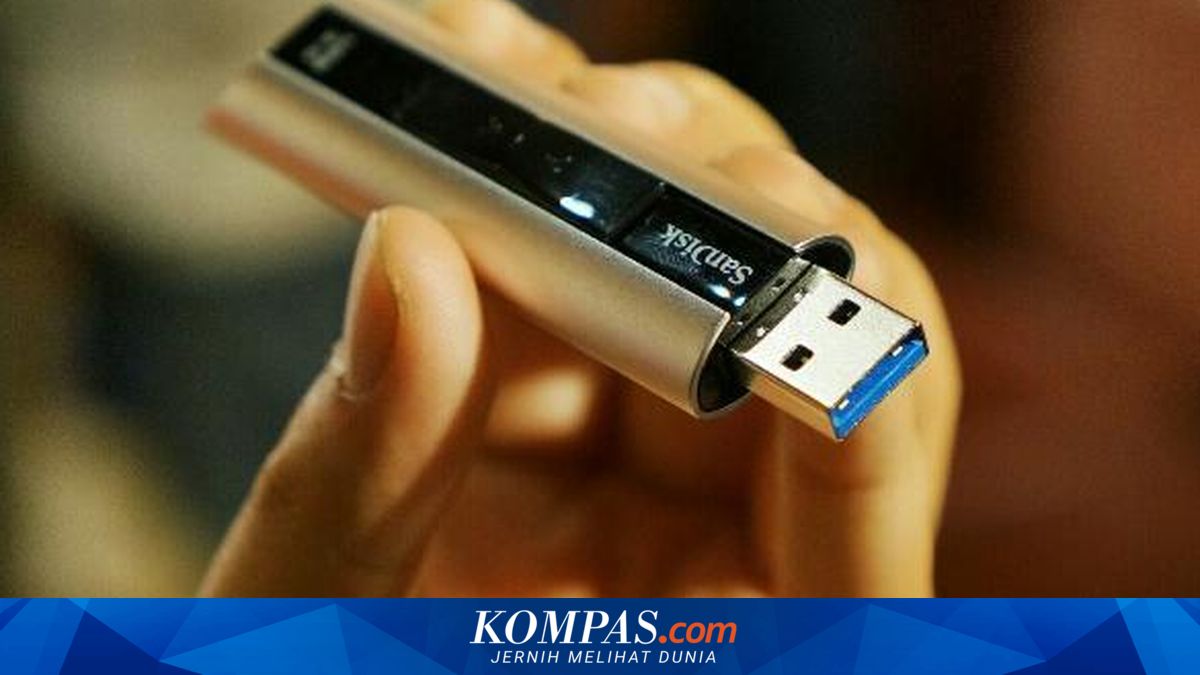
Jakarta — Indonesia’s Ministry of Law (Kemenkum) has reaffirmed that the sale of flash drives containing pirated songs carries a threat of 10-year imprisonment.
Arie Ardian Rishadi, Director of Law Enforcement at the Directorate General of Intellectual Property Rights (DJKI) under the Ministry of Law, stated that criminal penalties for illegal distribution of copyrighted works are regulated under Article 113(4) of Law Number 28 of 2014 concerning Copyright.
“This can be subject to criminal penalties. Once the distribution has occurred and is commercial in nature, the threat can extend to 10 years,” said Arie on Monday 9 March 2026, as cited by Antara.
Consequently, the active role of creators and copyright holders becomes crucial in the law enforcement process.
Nevertheless, Arie urged the public not to purchase or trade in products containing pirated content, including flash drives with songs without proper authorisation.
“Beyond harming creators and the music industry, such practices also pose potential legal consequences for those involved,” he said.
As a demonstration of its commitment to protecting intellectual property, Arie stated that DJKI will continue to strengthen oversight and coordination with stakeholders, including digital platforms, to create a healthy, fair trading ecosystem that respects copyright.
Meanwhile, Hermansyah Siregar, Director General of Intellectual Property Rights at the Ministry of Law, noted that the proliferation of flash drive sales containing songs through marketplace platforms has become a serious concern for DJKI.
According to him, the primary issue in this widespread flash drive sales phenomenon is the element of copyright work distribution without authorisation from the copyright holder, where the content violates the Copyright Law.
“DJKI can in principle take administrative measures in the form of verification of reports, then issue recommendations for blocking of links or content proven to violate the law, especially if there are complaints from copyright holders,” said Hermansyah.
He stated that verification and blocking recommendation measures by DJKI serve to prevent greater losses from the circulation of copyright-infringing content exploiting internet networks.
However, he noted that to date there have been no formal complaints from copyright holders regarding the phenomenon of flash drive sales containing pirated songs.
“Unfortunately, there have been no complaints so far. If there were complaints, we would certainly be able to implement blocking,” said Hermansyah.