
Ministry of Law: Early Introduction of Intellectual Property Literacy as Foundation for Knowledge-Based Economy
Jakarta — The Ministry of Law has stated that intellectual property (IP) literacy education must be introduced early as a foundation for preparing students to thrive in a knowledge-based economy.
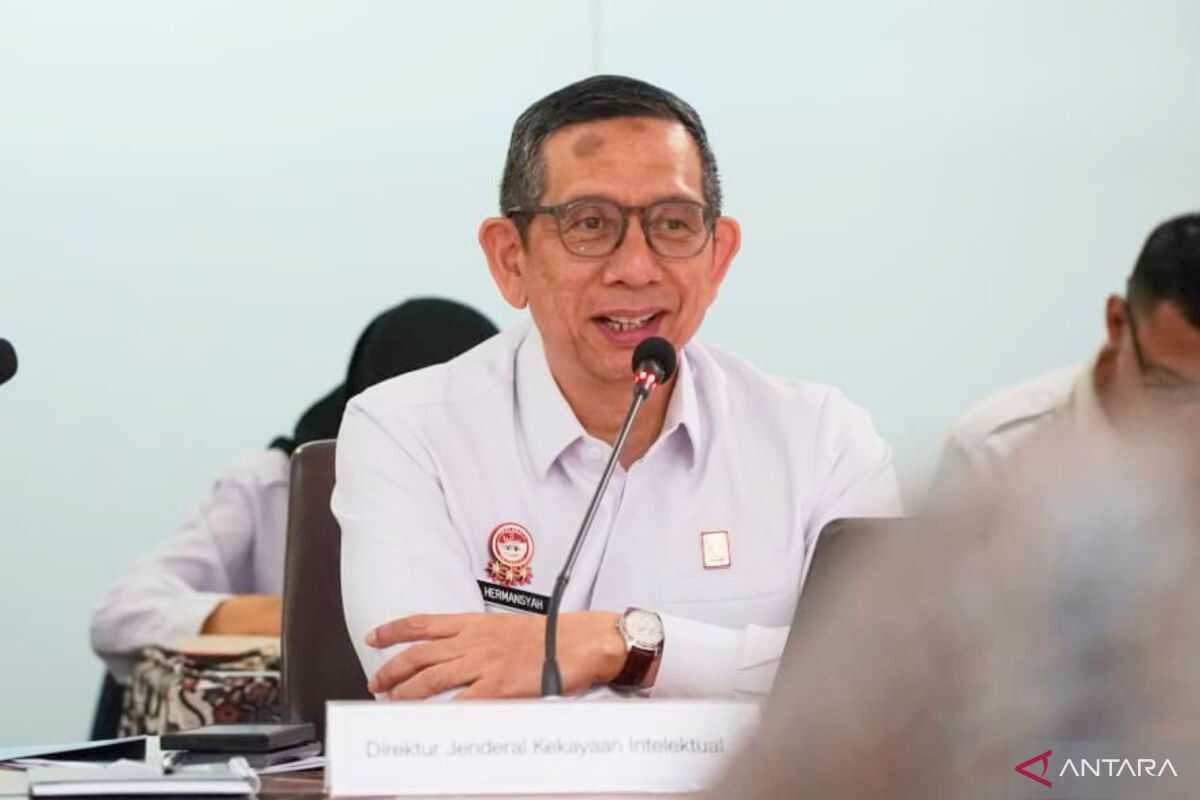
During an audience with the Ministry of Basic and Secondary Education in Jakarta on Wednesday (25 February), Hermansyah Siregar, Director General of Intellectual Property at the Ministry of Law, outlined that IP education constitutes a strategic investment to develop an innovative and competitive generation.
“We want to introduce intellectual property education to students at primary, junior secondary, senior secondary, and vocational levels so they can become familiar with and understand IP from an early age, enabling them to be more productive in their work,” Hermansyah said in a statement confirmed in Jakarta on Friday.
In future, he noted, these students would not merely seek employment but become creators who generate jobs.
Hermansyah also expressed hope that young people could transform culture by confidently pursuing entrepreneurship and supporting themselves and their communities through intellectual property development.
To this end, he hoped that collaboration with the Ministry of Basic and Secondary Education could accelerate the integration of intellectual property content into the national education system through curricula and teacher training.
He stated that this effort is essential to strengthen Indonesia’s position in a creativity and innovation-based economy.
“Because developed nations are characterised by high awareness of intellectual property, and many have already introduced IP learning from an early age,” he said.
The audience with the Ministry of Basic and Secondary Education was held to reinforce the intellectual property ecosystem through IP learning integration from primary to secondary levels.
The meeting represents a strategic step towards embedding intellectual property awareness as a critical foundation in developing a creative and innovative Indonesian generation.
Follow-up to the audience includes drafting a cooperation agreement as a legal framework for collaboration, integration of intellectual property curriculum, and implementation of Teacher Training (ToT) programmes for educators.
This approach is intended to encourage students to understand that work, innovation, and creativity hold economic value and require legal protection.
As an initial catalyst, the Directorate General of Intellectual Property will organise an event titled “DJKI Teaches: Gen Z Smart on IP, Indonesia Advances,” designed to reach more than 10,000 senior secondary and vocational students in the Jakarta metropolitan area in partnership with the Ministry of Basic and Secondary Education.
The initiative aims to make intellectual property a foundational subject for students whilst fostering the mindset that work and innovation possess economic value and require protection.
The programme includes public lectures, inspirational sessions with creative leaders, awards for young innovators, and an innovation competition through the Indonesia Intellectual Property Youth Challenge programme.
The programme is expected to catalyse creative works grounded in intellectual property whilst strengthening the national innovation ecosystem.
In response, Suharti, Secretary General of the Ministry of Basic and Secondary Education, expressed support for the initiative as part of strengthening project-based and innovation-oriented learning in schools.
She views cross-ministerial synergy as key to fostering an innovation culture in educational settings.
Going forward, collaboration between the Directorate General of Intellectual Property and the Ministry of Basic and Secondary Education is expected to create broader opportunities for students to experiment, collaborate, and develop creative solutions to challenges in their surroundings.
Educational support aligned with the intellectual property ecosystem will help nurture young talent that is adaptive, self-reliant, and ready to lead national progress through various innovations.