
Ministry of Industry strengthens industrial resilience to anticipate the impacts of geopolitical tensions
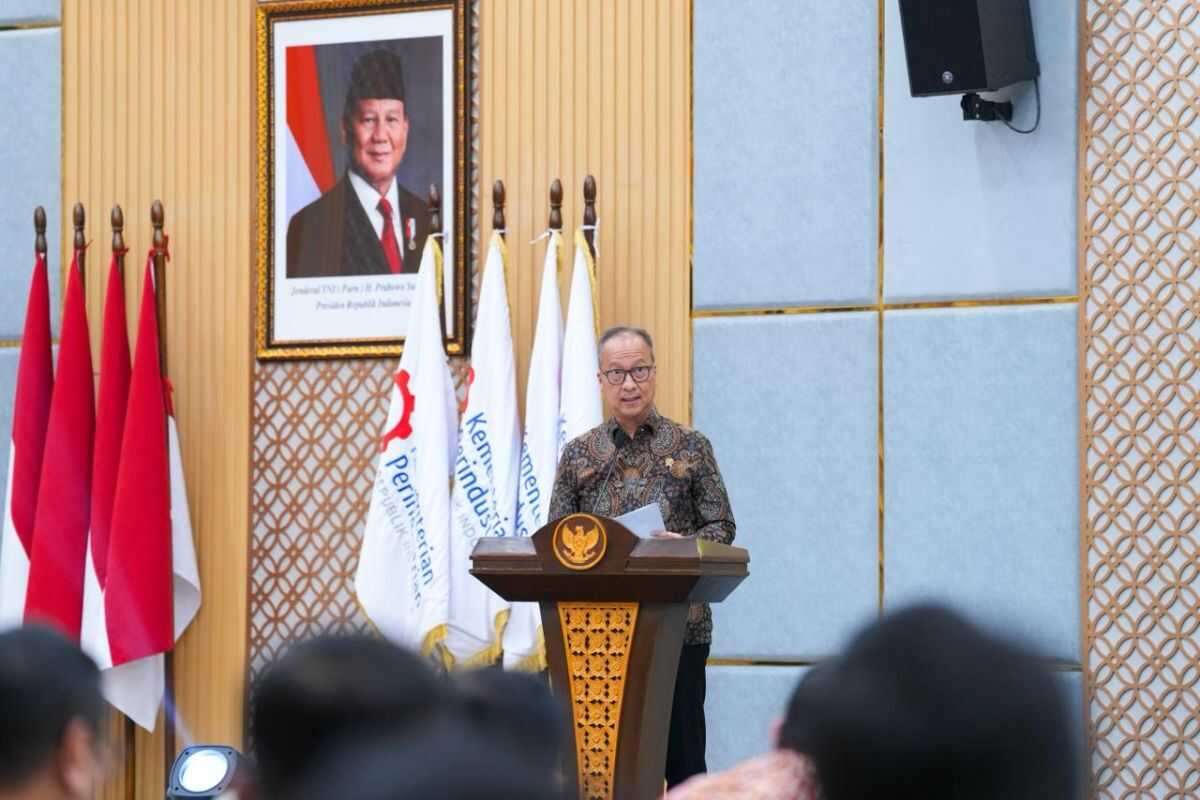
Jakarta (ANTARA) — The Ministry of Industry (Kemenperin) is strengthening national industrial resilience to anticipate potential effects of an escalation in geopolitical tensions between Iran, Israel, and the United States on Indonesia’s manufacturing performance and economy.
Minister of Industry Agus Gumiwang Kartasasmita said that the conflict in the Middle East could potentially trigger volatility in global energy prices, disruption of international trade routes, and higher logistics and raw material costs for the industry.
“We continue to monitor developments in the Middle East because the region is one of the world’s energy hubs and a highly important global logistics route. Each escalation of the conflict could potentially affect energy prices, the smooth operation of the industrial input supply chain, and the logistics costs borne by the manufacturing sector,” the minister said in a statement in Jakarta on Thursday.
He said that one of the most influential factors affecting the industrial sector is the potential disruption to global energy distribution, given the closure of the Strait of Hormuz, a vital route for world oil trade, with around a fifth of global oil supply passing through that route.
“If global energy prices rise over a prolonged period, then the production costs of the manufacturing industry could also increase. This, in turn, could affect production efficiency and the competitiveness of industrial products in both the domestic and export markets,” Agus said.
In addition to energy, geopolitical conflict could also affect the availability of industrial raw materials sourced from global markets, as several sectors in Indonesia still rely on imported inputs, such as chemicals, petrochemicals, textiles, metals, and the food and beverage industry.
The Minister added that disruptions to international trade routes can also affect the performance of manufacturing exports, as geopolitical conflicts typically trigger volatility in global markets.