
Ministry of Industry Implements Cement Decarbonisation Strategy Through Five Pillars
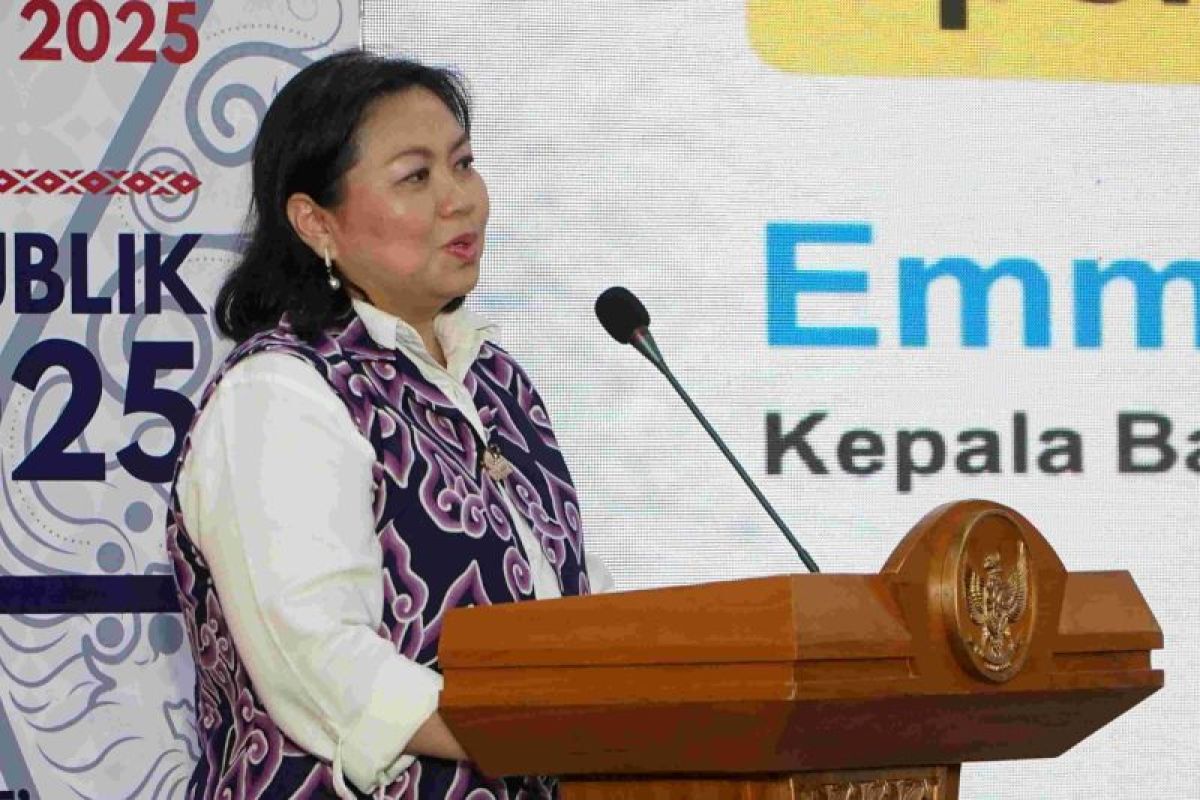
Jakarta (ANTARA) - The Ministry of Industry (Kemenperin) is accelerating the transformation of the national cement industry towards a more environmentally friendly sector through the implementation of a decarbonisation strategy based on five main pillars. The Head of the Agency for Standards and Industrial Services Policy (BSKJI) of the Ministry of Industry, Emmy Suryandari, in a statement confirmed in Jakarta on Wednesday, emphasised that the decarbonisation strategy focuses on emission reduction efforts as the primary priority before moving to the carbon neutralisation stage. “The global cement industry is currently navigating a complex business environment shaped by three major influences: urbanisation, decarbonisation, and digitalisation,” she said. She explained that the five pillars implemented include energy and material efficiency through production process optimisation, fuel and material substitution by promoting the use of biomass and hydrogen, and updating production processes with more efficient technology. The next pillar, the Ministry of Industry is also encouraging electrification and the utilisation of renewable energy by replacing fossil fuel-based machines with electric ones, as well as the implementation of carbon capture technology to utilise emissions. Meanwhile, at the Intercem Asia 2026 event in Jakarta on Wednesday, she emphasised that the performance of the cement and non-metallic minerals sector plays a vital role in infrastructure development, driving investment, creating jobs, and boosting manufacturing growth. In 2025, this sector recorded growth of 6.16 per cent, with an investment value of Rp25 trillion, export value of US$1.79 billion, and absorbing more than 900,000 workers. According to her, with an installed capacity of 121.66 million tonnes per year, Indonesia is solidifying its position as one of the largest cement producers in Southeast Asia. In addition, she stated that the national cement industry is not only able to meet domestic needs projected to reach 64 million tonnes in 2025 but also maintain export momentum for cement and clinker worth US$443 million. This figure increased by 18.25 per cent year-on-year, with main destination countries such as Bangladesh, Australia, Taiwan, the Philippines, and Sri Lanka. In its implementation, they have also prepared a decarbonisation roadmap for the cement industry as a strategic guide for gradual emission reduction. In the 2010 baseline, the cement industry had a clinker factor of 81 per cent, thermal substitution rate (TSR) of 3 per cent, and specific emissions of 724 kg CO2 per tonne of cement equivalent. However, thanks to various efficiency and innovation efforts, the current achievements have exceeded the 2025 targets. The clinker factor has been reduced to around 68.1 per cent, TSR increased to 12.58 per cent, and specific emissions dropped to 566.3 kg CO2 per tonne of cement equivalent.