
Ministry of Industry Assures Domestic Production Meets Eid Demand Surge
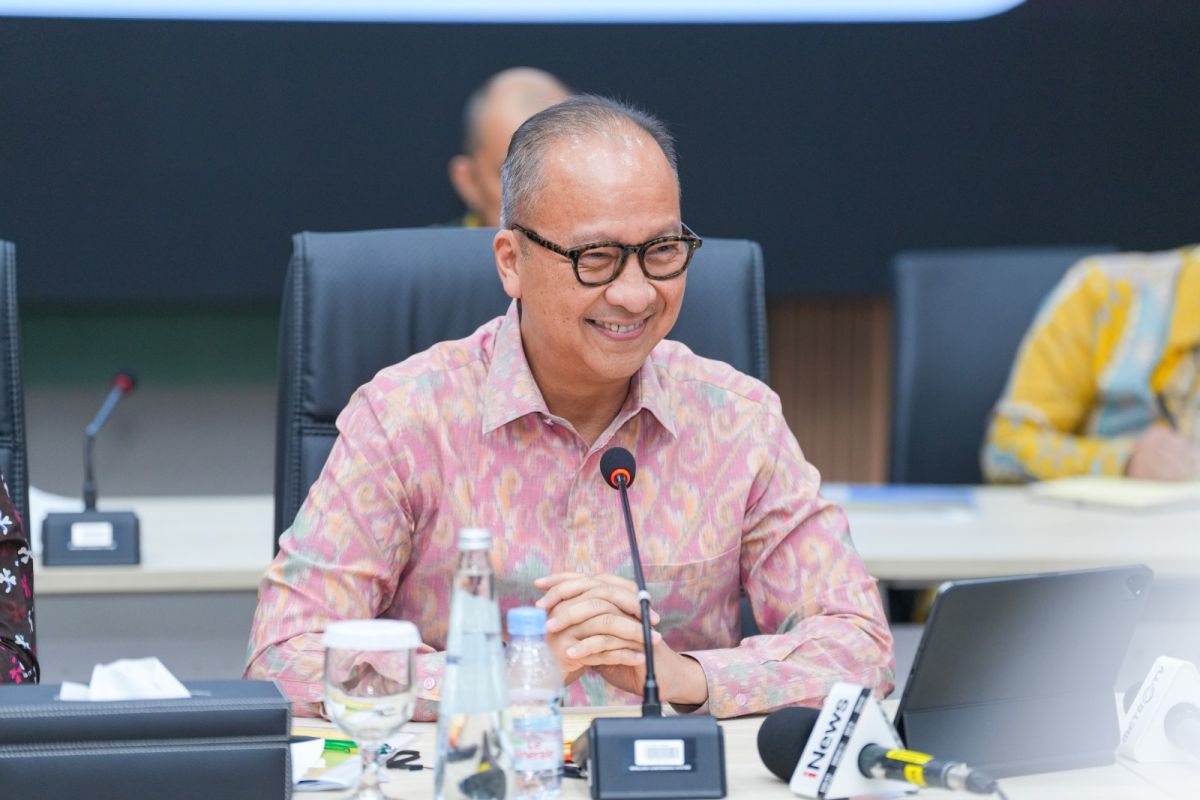
Jakarta – Indonesia’s Ministry of Industry (Kemenperin) has assured that the nation’s industrial sectors are prepared to meet the surge in consumer demand ahead of Eid al-Fitr, particularly in textiles and textile products (TPT), ready-made clothing, footwear and related subsectors.
Industrial Minister Agus Gumiwang Kartasasmita stated in Jakarta on Friday that the TPT, ready-made clothing, footwear and related subsectors are in full readiness to satisfy the increased consumer needs.
The Eid al-Fitr season in 1447 Hijriah, he explained, consistently drives significant demand increases, particularly for Islamic fashion wear, sarongs, prayer headscarves, religious supplies and footwear produced by domestic industries.
According to the minister, Ramadan and Eid al-Fitr represent critical periods for the TPT industry, as they experience substantial spikes in domestic demand annually. Consequently, domestic industries have begun preparations from the start of the year to ensure consumer needs are adequately met.
Throughout 2025, the chemical, pharmaceutical and textile (IKFT) industries recorded approximately 5.11 per cent growth, contributing 3.87 per cent to national gross domestic product (GDP). Export values from this sector reached approximately USD 47.95 billion and supported employment for 6.71 million workers. The textile and ready-made clothing subsector specifically grew by approximately 5.39 per cent and employed over 3.7 million workers.
“These growth figures demonstrate the strategic role of the IKFT sector as a labour-intensive industry with direct impact on public welfare,” the minister stated.
Meanwhile, the textile and textile products industry demonstrated stable performance with approximately 4.64 per cent growth. TPT export performance continues to strengthen despite global trade dynamics, reflecting sustained competitiveness of the domestic industry.
Kartasasmita emphasised that the TPT, footwear and cosmetics sectors are labour-intensive industries with significant multiplier effects on the economy, as they involve extensive supply chains from raw materials through production, distribution to retail trade.
Beyond clothing products, increased consumption also occurs in appearance-enhancing products, including cosmetics and personal care. By the end of 2024, the cosmetics industry registered 4.3 per cent growth with export performance reaching USD 382.4 million.
“We must leverage the Ramadan momentum to encourage consumption of domestic products. By purchasing local goods, the public not only directly contributes to national economic growth but also ensures industry sustainability and improves welfare for millions of workers dependent on this sector,” the minister stated.
The government continues strengthening industrial competitiveness through import substitution policy reinforcement, investment facilitation, increased use of domestic products and development of innovation-based and certified industries, including halal certification.
These efforts aim to ensure the domestic industry not only meets domestic needs but also becomes increasingly competitive in global markets.
Furthermore, increased production activity ahead of Eid positively impacts worker income in labour-intensive industrial sectors. With rising demand, industrial capacity utilisation increases, providing opportunities for production expansion and strengthening job market stability.
“This situation is expected to support increased consumer purchasing power and contribute to overall national economic growth,” he concluded.