
Ministry of Industry accelerates the national electric bus ecosystem
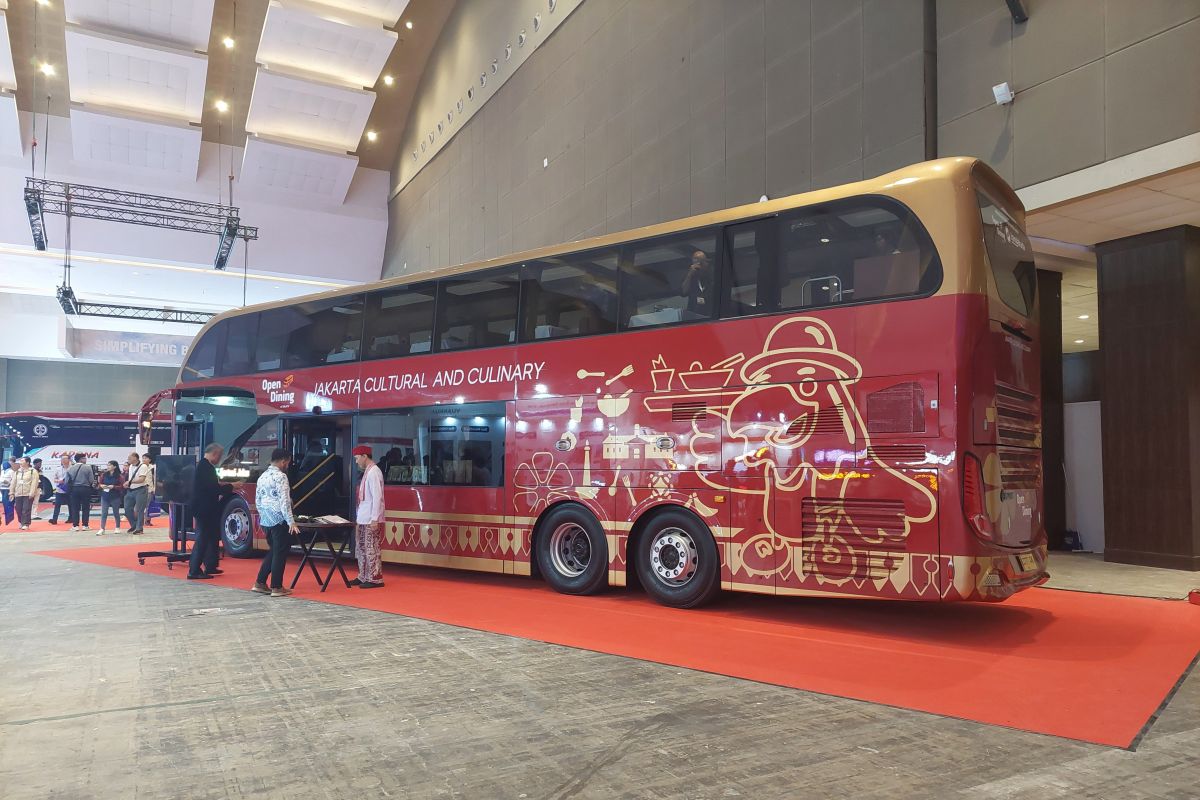
The Ministry of Industry (Kemenperin) is accelerating the development of the national electric bus ecosystem by strengthening the domestic-content-based electric vehicle industry (TKDN) and by speeding up the adoption of environmentally friendly vehicles in the public transport sector.
Director of Maritime Industry, Equipment, and Defence Equipment (IMATAP) at the Ministry of Industry, Mahardi Tunggul Wicaksono, said the national automotive industry is now ready to support the battery-based electric vehicles era (KBLBB), including for heavy-duty vehicles such as electric buses and trucks.
‘In Indonesia, there are currently nine local industries producing electric buses and trucks. We have been able to meet the needs of freight transport up to specialist service vehicles,’ Mahardi said at the opening of INAPA 2026 and Busworld Southeast Asia 2026 in Jakarta, on Wednesday.
According to him, a number of national electric bus products have achieved TKDN values above 40 percent, including in the coachbuilding sector.
The Ministry of Industry is currently revising regulations related to the main TKDN components to support increasing local content in the national electric vehicle industry.
‘We are revising per the Director-General for main TKDN components together with coachbuilder industry players, and the regulation is expected to be issued soon,’ he said.
He said the government will continue to implement incentives for TKDN-based electric vehicles to strengthen the domestic industry while accelerating the transition to clean energy.
According to Mahardi, the minimum TKDN target for national electric vehicles in 2026 is set at 40 percent in line with the road map for the development of KBLBB.
Besides strengthening the industry, the electrification of transport is also reflected in commitments from several regional governments that are gradually switching to electric buses for public transport fleets.
Mahardi regards these steps as important in promoting a transport system that is more environmentally friendly and efficient.
He added that the Indonesian automotive industry currently has a strong foundation with 41 car manufacturers, with production capacity of 2.5 million units per year, investments of Rp163 trillion, and the absorption of more than 69 thousand direct workers.
‘With collaboration, investment support, and shared commitment, we are confident that Indonesia’s automotive industry ecosystem will become increasingly resilient, autonomous, and globally competitive,’ Mahardi said.