
Ministry of Human Rights expands protection for vulnerable groups in revised Human Rights Law
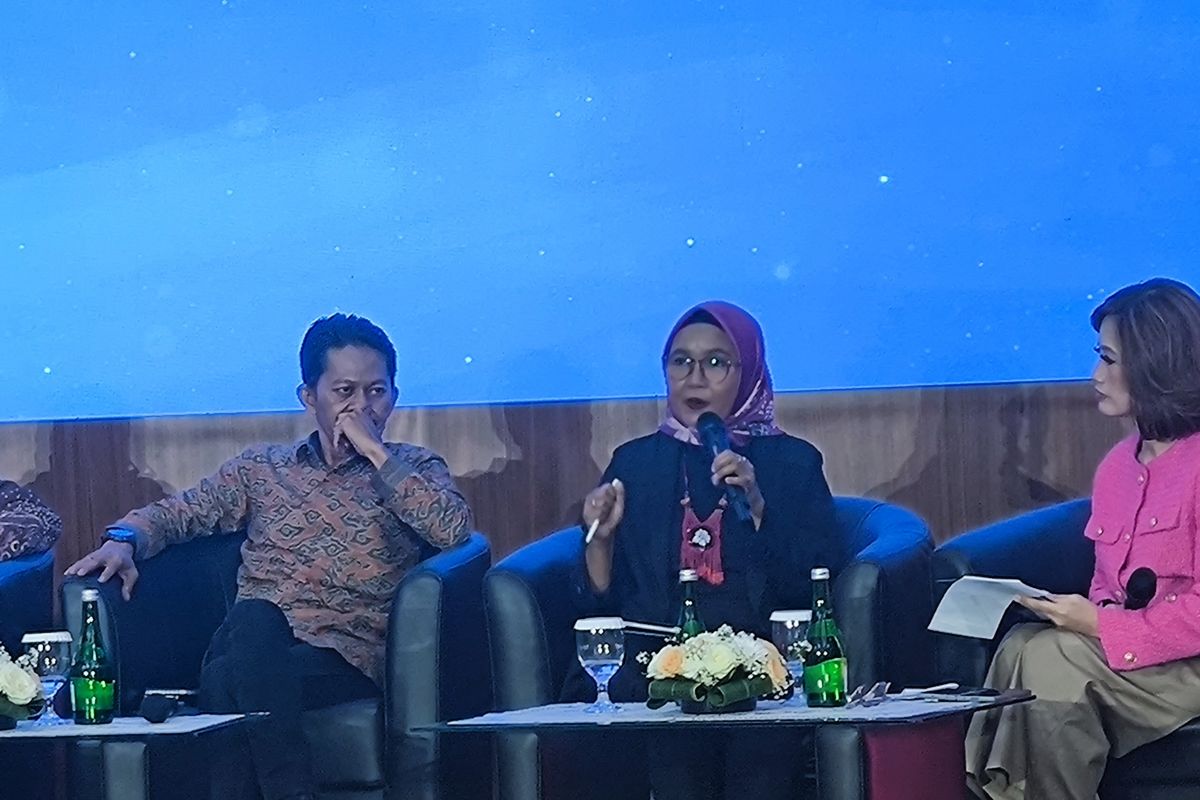
The Ministry of Human Rights (KemenHAM) has expanded protections for vulnerable groups in the revision of the Human Rights Law through strengthened anti-discrimination principles, affirmative action measures, and recognition of indigenous rights. Siti Aminah, a Ministry of Human Rights expert, said the issue of vulnerable groups is a key focus in the Human Rights Law revision to ensure more inclusive human rights protections for women, children, persons with disabilities, and indigenous communities. ‘The issue of vulnerable groups is being discussed and incorporated into the Human Rights Bill,’ Siti Aminah said during a public hearing on the revision of the 1999 Human Rights Law in Jakarta on Monday. According to her, one of the main changes in the revision is the expansion of the definition of discrimination, which previously only covered certain categories. In the draft revision, the basis for discrimination has been broadened to include religion, belief, ethnicity, race, skin colour, language, origin, social group, socioeconomic class, gender, gender identity, age, political beliefs, disability, marital status, and health conditions. Siti said the expanded definition aims to provide stronger protection for communities that have historically faced restrictions and unequal treatment. ‘This expanded definition of discrimination ensures that vulnerable groups experiencing differences, restrictions, or exclusions based on these factors are protected from discrimination,’ she said. Alongside anti-discrimination principles, the Human Rights Law revision also adopts temporary special measures or affirmative action for vulnerable groups. She explained that these provisions include protections for women, children, persons with disabilities, and indigenous communities, tailored to each group’s specific needs. ‘For women, we are emphasising affirmative action for their representation in all decision-making processes,’ she said. The revision also emphasises protections for bodily autonomy, sexual and reproductive health, the best interests of the child, and accessibility and reasonable accommodation for persons with disabilities. For indigenous communities, the Ministry of Human Rights has included recognition of customary land rights and the requirement for Free, Prior and Informed Consent (FPIC) before any investment or development occurs on indigenous territories. ‘This is the maximum effort we can push in the Human Rights Bill to ensure no one is left behind,’ Siti Aminah said. The Ministry of Human Rights is currently conducting a series of public hearings on the Human Rights Law revision before the draft is further discussed in the national legislative process in 2026.