
Ministry of Home Affairs Urges Local Governments to Act Swiftly on Price Increases
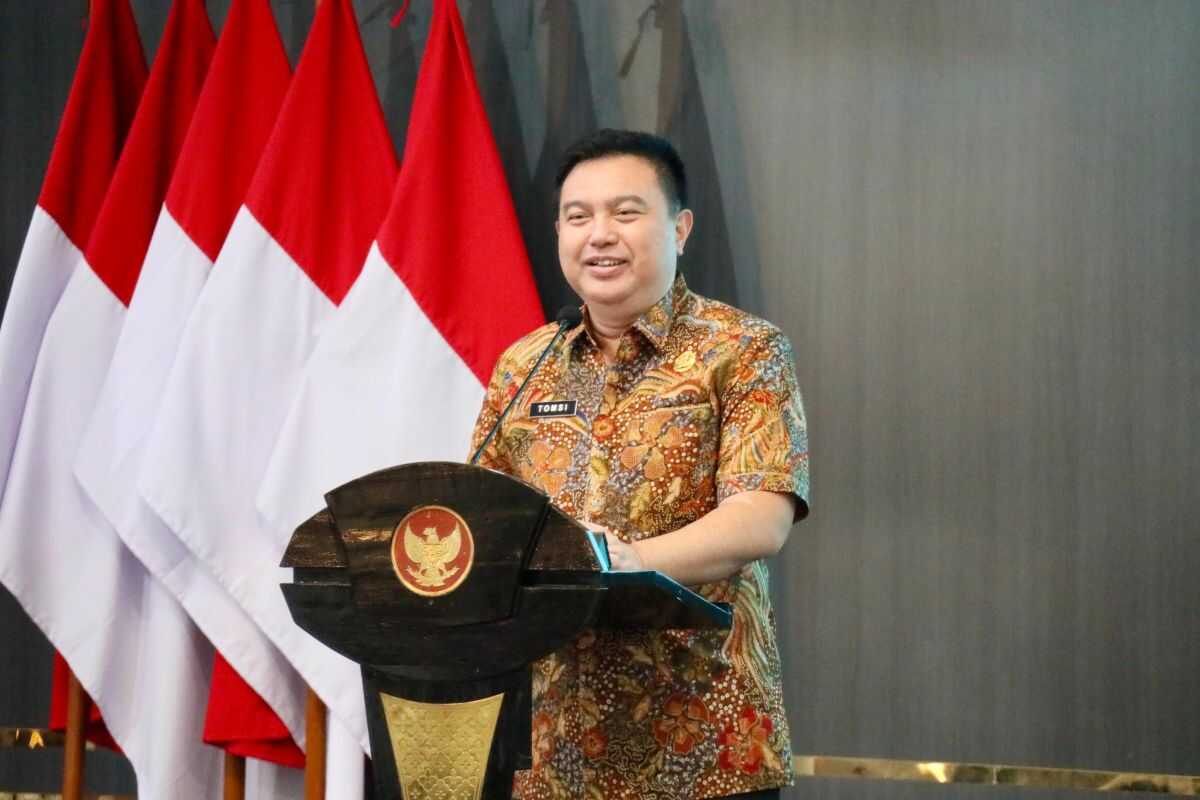
Jakarta (ANTARA) - Ministry of Home Affairs Secretary General Tomsi Tohir has called on local government officials throughout Indonesia to act swiftly in response to any increases in staple goods prices within their jurisdictions.
According to Tomsi, every price increase, however small, must be followed up seriously. He stressed that a minor rise today has the potential to become a major surge if not promptly addressed with adequate oversight.
“As soon as there is an increase above the maximum retail price, investigate immediately — find out why it has gone up,” Tomsi said in a statement in Jakarta on Thursday.
He emphasised that monitoring staple goods prices is a primary responsibility of government in order to protect the public’s purchasing power, particularly ahead of the holy month of Ramadan.
The assertion was made amid early signs of price volatility even before Ramadan has begun.
“We haven’t even entered Ramadan yet and prices are already rising. This is the challenge facing all of us,” he said.
He also drew attention to price anomalies in producer regions. According to Tomsi, price increases in commodity-producing areas warrant particular scrutiny to prevent irregularities in the supply chain.
“Areas that produce chillies are actually seeing prices go up. This needs to be clearly explained — why are prices rising in chilli-producing regions when supply is abundant?” Tomsi said.
To that end, Tomsi called on Regional Inflation Control Teams (TPID), Food Task Forces, and other relevant parties to step up direct field surveillance. He stressed that inflation control must not stop at the meeting room but must be realised through genuine monitoring at markets and along distribution channels.
Tomsi also reminded officials not to assess price increases from their own personal perspective, but rather from the standpoint of the public’s ability to meet daily needs.
“Don’t measure things by our own standards. If we measure by our own standards, the increase seems small — but for ordinary people, the increase is keenly felt,” he said.
With discipline, strong commitment, and sustained oversight, Tomsi expressed hope that the government would be able to keep food prices stable and affordable as a tangible demonstration of the state’s presence in protecting public welfare.