
Ministry of Home Affairs Requests Further Revision of Bali Tourism Transport Regional Regulation
The Bali Provincial Government (Pemprov) and the Bali Regional Legislature (DPRD) have been requested once again by the Ministry of Home Affairs (Kemendagri) to improve the draft Regional Regulation (Perda) concerning Special Hire Tourism Transport (ASKP).
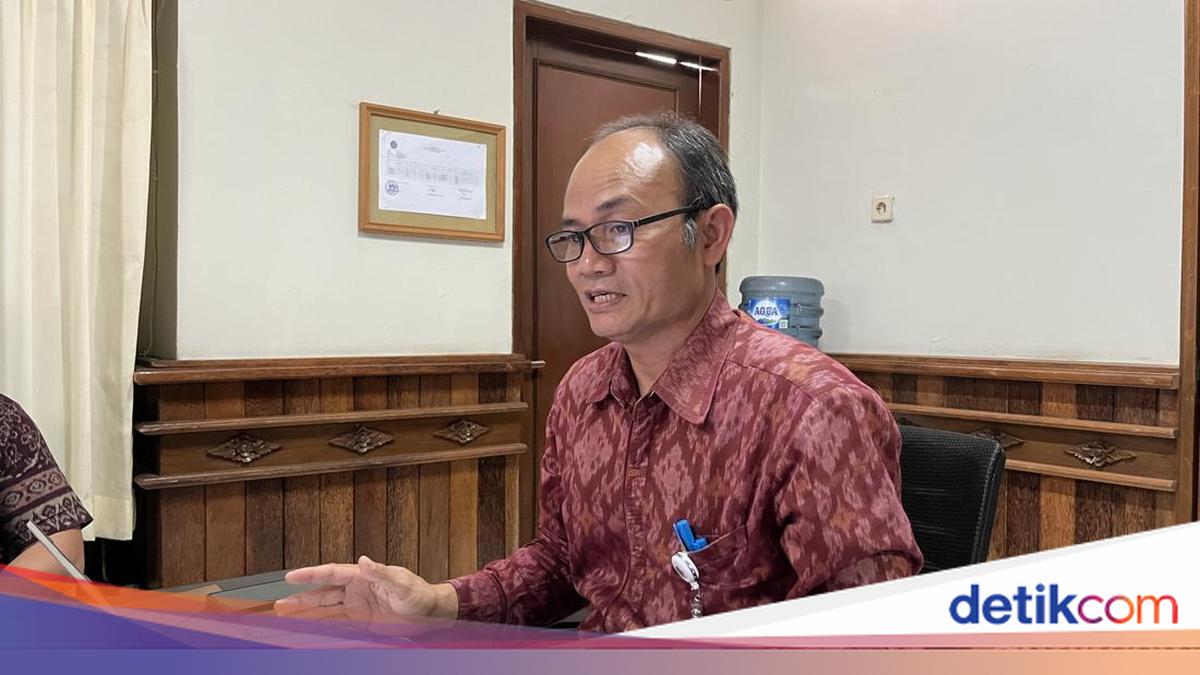
The Head of the Bali Transportation Department, I Kadek Mudarta, stated that a meeting two weeks ago with the Directorate General of Legislation at the Ministry of Home Affairs had not yet reached a consensus. During the meeting, the ministry reiterated its request for revisions to the draft regulation.
“There was input requesting that the draft regulation also specify the responsibilities of the local government,” said Mudarta when met at the Bali Transportation Department office on Tuesday (10/3/2026). “Essentially, the Ministry of Home Affairs is asking that the responsibilities and duties of the local government in administering this special hire transport service be clearly outlined,” he added.
Mudarta explained that the initial draft did not contain explanations regarding the responsibilities of the local government in administering special hire tourism transport. Consequently, the Bali Transportation Department has submitted several technical and substantive recommendations to the Bali Regional Legislature to be incorporated into the revised draft.
“Once the revised draft is finalised, it will be submitted again to the Ministry of Home Affairs through the facilitation process. If the ministry deems it acceptable, we can proceed,” he said.
Additionally, provisions regarding the use of identity cards (KTP) in the draft regulation have also drawn scrutiny from the Ministry of Home Affairs. The ministry has requested that such provisions not appear discriminatory.
“The Ministry of Home Affairs must protect and oversee all of Indonesia, avoiding anything discriminatory in nature,” said Mudarta.
“Currently, refinements are being made to find common ground between the national regulatory framework and regional aspirations,” he concluded.