
Ministry of Home Affairs emphasises alignment of Papua's RPJMD with the RPJMN
Jakarta (ANTARA) – The Ministry of Home Affairs emphasised the importance of aligning Papua’s Regional Medium-Term Development Plan (RPJMD) with the National Medium-Term Development Plan (RPJMN) so that development in the region can proceed in step with national priorities. It explained that every regional head elected through local elections (pilkada) brings a vision and mission for regional development. These visions and missions are then set out in the RPJMD document, which serves as the blueprint for regional development over the five-year tenure of the regional head.
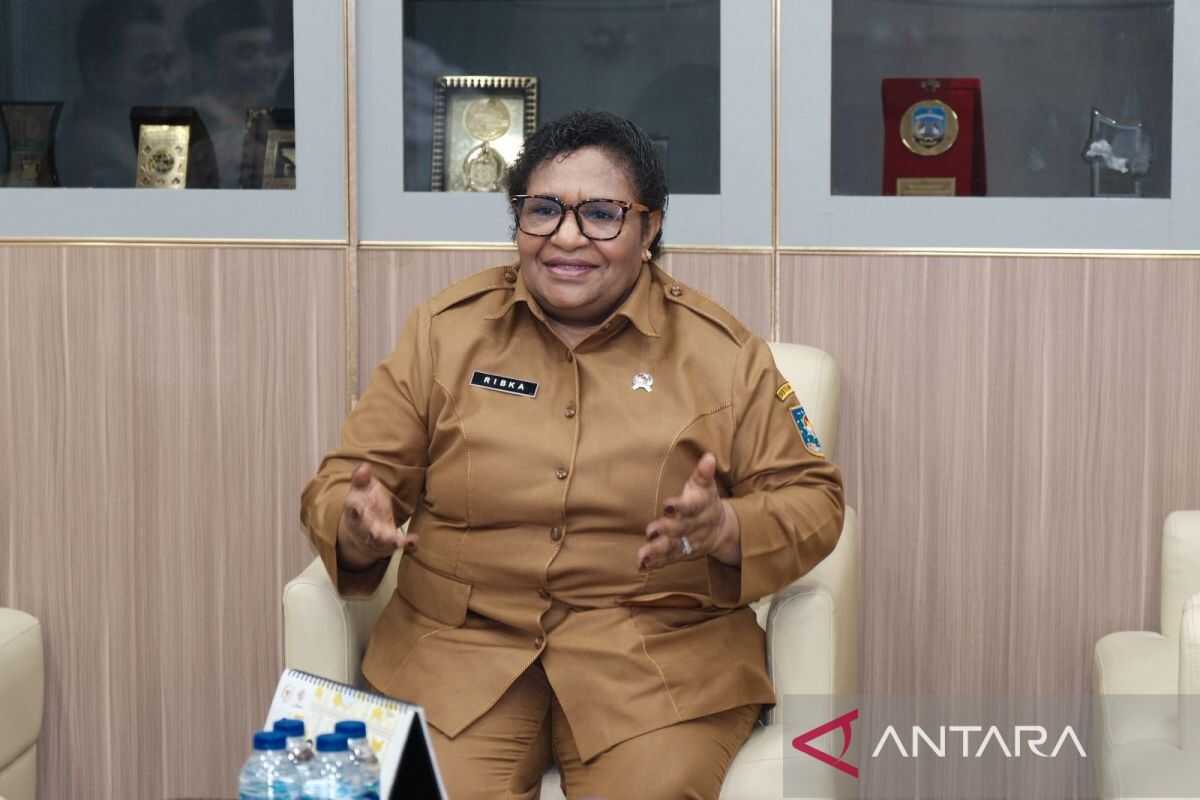
“The Musrenbang activity today constitutes a highly strategic moment to discuss the daerah RPJMD 2025–2029. The governor’s vision and mission from the pilkada are then aligned with the RPJMN national, so that we can determine whether the policies are in line with or not,” said Deputy Minister of Home Affairs Ribka Haluk in Jakarta on Friday.
Ribka also highlighted the importance of synergy among ministries and agencies in supporting the regional development planning process. According to her, good coordination is needed to ensure that the implementation of Musyawarah Perencanaan Pembangunan (Musrenbang) at the regional level can run in line with central government policies.
“I hope the relevant ministries and agencies can attend Musrenbang at the regional level, particularly at provincial-level Musrenbang. I am here representing the Minister of Home Affairs, but there are still ministries/agencies that have not attended. Their attendance is important so that the ministries/agencies can directly monitor and see various obstacles on the ground, so that together we can safeguard and support development in the regions,” she said.
Ribka went on to say that the Papua Provincial Government currently faces a number of development challenges that need to be addressed promptly. These include high poverty and unemployment rates, low regional fiscal capacity, and limited economic growth. Therefore, the local government needs to undertake transformation and acceleration of development across various strategic sectors.
“I urge the governor, deputy governor, and all regents to promptly undertake transformation in these challenges, or pursue improved growth,” she said.
Furthermore, Ribka underscored the importance of improving Papua’s Human Development Index (HDI/IPM) through strengthening education, health, and the economy of local communities. She noted that the three sectors are interrelated and are key to raising living standards.
“So, this HDI must be improved, and with contributions from education and health; if education is good, health is good, the economy is good, the HDI will also improve accordingly,” Ribka stated.
Ribka also emphasised that Papua Province plays an important role as a development benchmark for other areas under the new autonomous regions (DOB) in the Papua region. Therefore, despite various constraints, local governments must ensure that public services continue to operate optimally.
“Papua Province serves as a benchmark and yardstick for other DOB regions. With all its constraints, the local government must continue delivering services to the people,” she concluded.